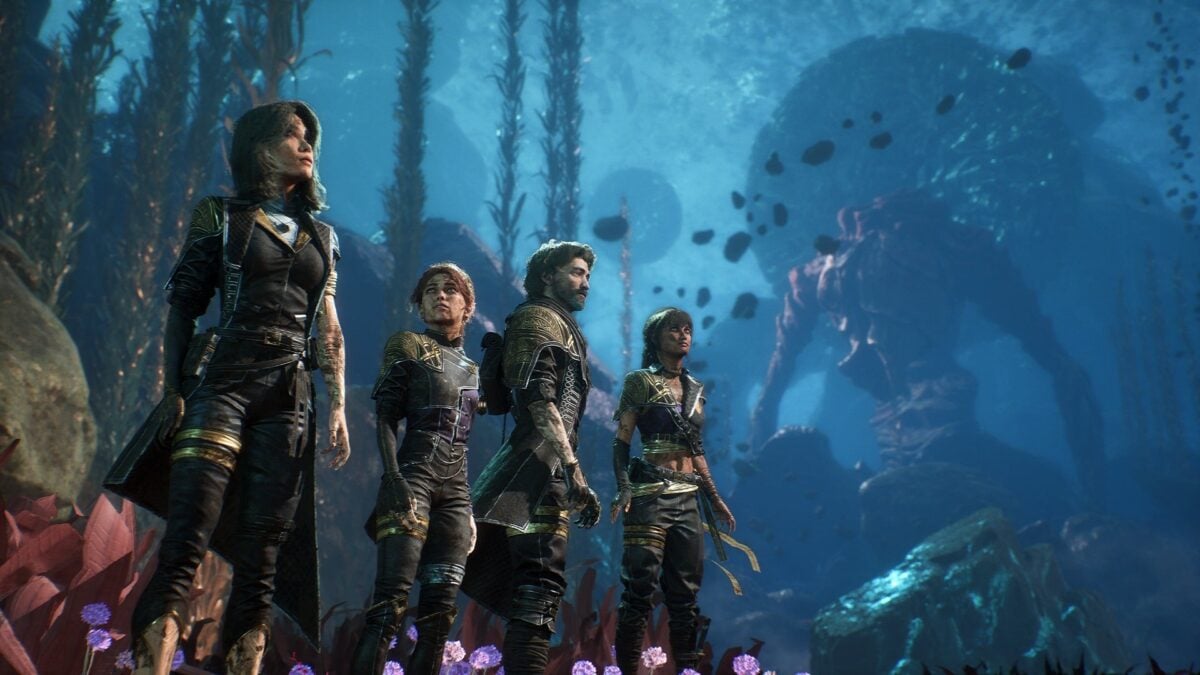
The Golden Age of Gaming's Glittering Price Tag: Unpacking The Game Awards' Dual Nature
From humble beginnings to global spectacle, The Game Awards has become the industry's most prominent night. But beneath the dazzling reveals and heartfelt acceptance speeches lies a complex ecosystem of commerce, influence, and significant cost. NovaPress delves into the true price of gaming's biggest night.
The Rise of a Digital Colossus: How TGA Conquered Gaming's Limelight
Rewind to 2012. While gamers debated the controversial ending of Mass Effect 3 and industry titans like Harvey Smith and Raphael Colantonio navigated the burgeoning landscape, the idea of a definitive, global celebration for video games was still finding its footing. The Spike Video Game Awards (VGAs) had previously attempted to fill this void, often blending celebrity antics with genuine recognition. But it was Geoff Keighley's vision that truly transformed the landscape, culminating in The Game Awards as we know it today.
TGA has evolved into a juggernaut, drawing hundreds of millions of viewers across streaming platforms worldwide. It's more than just an awards show; it's a cultural phenomenon, a digital watercooler where major announcements are made, new titles are revealed, and the industry collectively takes stock of its achievements. For many, TGA is the closest gaming gets to its own Oscars – a night of glamour, anticipation, and validation.
Beyond the Glitz: The Enormous Price Tag of Industry Recognition
The adage "there's no such thing as a free lunch" holds particularly true for an event of TGA's scale. While the broadcast is free for viewers, the production, the talent, and especially the much-anticipated game reveals come at a considerable expense. Industry insiders and reports have long hinted at the multi-million dollar budgets required to produce such a spectacle.
The Cost of a Reveal: Pay-to-Play or Strategic Investment?
One of the most significant revenue streams, and arguably the most controversial, is the funding derived from publishers eager to showcase their upcoming titles. A coveted slot for a world premiere trailer or a gameplay reveal is not merely granted; it's often a transaction, a strategic marketing investment by companies vying for eyeballs. This model raises critical questions about the true nature of the show: is it primarily a platform for celebration and artistic recognition, or has it become the gaming industry's most expensive advertising billboard?
Critics argue that this commercial imperative can overshadow the awards themselves. Smaller, independent games with limited marketing budgets struggle to compete for visibility against AAA behemoths capable of commanding prime airtime. This creates a perception that TGA, despite its stated mission to celebrate developers, inadvertently prioritizes financial clout over creative merit.
Sponsorships, Logistics, and Developer Burden
Beyond reveal payments, sponsorships from major tech companies, hardware manufacturers, and even fast-food chains contribute substantially to the event's coffers. The logistical undertaking alone – securing venues, coordinating hundreds of developers and presenters, managing complex technical setups for global broadcasts – represents a monumental financial and operational challenge.
Moreover, the pressure on game developers to create stunning reveals for TGA can lead to increased crunch periods, diverting resources from core development. The pursuit of a viral moment can sometimes come at the expense of developer well-being and even the game's final quality, creating a hidden cost often borne by the industry's most vital asset: its creators.
The Future of Gaming's Grandest Stage: Balancing Act or Buy-Out?
As the gaming industry continues its exponential growth, The Game Awards stands at a critical juncture. Its unparalleled reach and influence make it indispensable for many, yet the criticisms regarding its commercialization and accessibility for smaller studios persist. The challenge for TGA and its organizers is to navigate this complex terrain, ensuring that the spirit of celebration and recognition remains paramount, even as the financial pressures intensify.
Perhaps the future lies in greater transparency regarding its financial model, or the creation of more inclusive platforms that elevate diverse voices and independent creators without the prohibitive cost barriers. The gaming community, developers, and publishers alike must collectively engage in this dialogue, ensuring that the industry's most prominent night truly reflects its best values, not just its deepest pockets.
The Game Awards is undeniably bigger than ever. The question is, can it continue to grow sustainably, ethically, and inclusively, proving that true celebration doesn't always have to come at such a steep price?