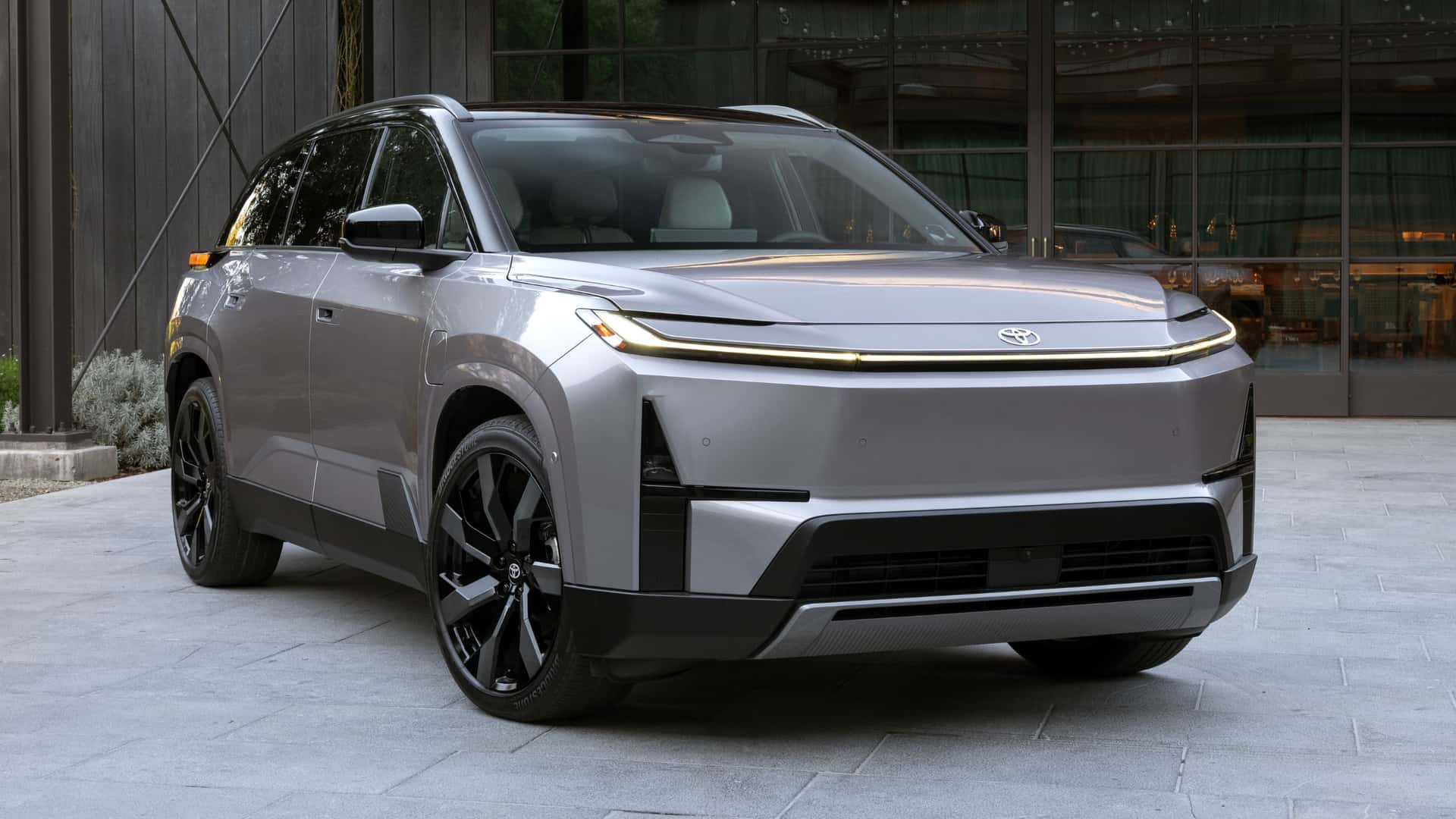
Toyota, a brand synonymous with reliability and hybrid innovation, is signaling a profound shift in its electrification strategy. For decades, the Japanese giant cautiously navigated the EV landscape, often favoring a multi-pathway approach that championed hybrids and fuel cells alongside battery-electric vehicles. However, the unveiling of the 2027 Toyota Highlander, an all-new model ditching internal combustion entirely for an electric-only powertrain, marks a decisive turning point. This isn't just an update; it's a statement, positioning Toyota squarely in the race for mainstream EV dominance, particularly within the crucial three-row SUV segment.
The New Electric Behemoth
The 2027 Highlander is poised to redefine expectations for what a family SUV can be. Gone are the days of gasoline engines; the new generation embraces a pure electric architecture. While specific powertrain details like battery capacity, range, and motor configurations are eagerly anticipated, the commitment to an all-electric future for this cornerstone model speaks volumes. Design-wise, expect a radical departure from its predecessors, moving towards a sleek, aerodynamic profile characteristic of modern EVs, while retaining the commanding presence and practicality that Highlander owners cherish. The description of a "tech-heavy interior" promises a cabin replete with advanced infotainment, sophisticated driver-assistance systems, and connectivity features designed to enhance both convenience and safety for every occupant.
Toyota's Strategic Pivot and the EV Landscape
For years, critics questioned Toyota's perceived hesitation in fully embracing battery-electric vehicles, even as competitors poured billions into dedicated EV platforms. The 2027 Highlander EV signals a clear acceleration of Toyota's "Beyond Zero" vision. This move isn't merely about introducing another EV; it's about electrifying a volume seller, a vehicle that consistently ranks among the best-selling three-row SUVs globally. By making the Highlander electric-only, Toyota is leveraging a trusted nameplate to bridge the gap between its loyal customer base and the burgeoning EV market. This strategy could be more impactful than launching entirely new, unfamiliar EV brands, as some competitors have done. It demonstrates a commitment to electrifying existing, popular models, potentially accelerating mass adoption by offering familiarity within an innovative package.
Market Implications and Competition
The three-row electric SUV segment is rapidly heating up, with formidable contenders from Tesla (Model X, potentially Cybertruck), Kia (EV9), Hyundai (IONIQ 7), Rivian (R1S), and various offerings from American and European manufacturers. The 2027 Highlander EV will enter a fiercely competitive arena where range, charging speed, interior space, technology, and price are critical differentiators. Toyota's renowned reputation for quality, reliability, and robust dealer network could provide a significant advantage. However, it will need to deliver on competitive range figures, rapid charging capabilities, and an intuitive user experience to truly capture market share from established EV players. Its success will also depend on Toyota's ability to scale battery production and secure critical materials, an area where many automakers are facing challenges.
Consumer Impact and the Road Ahead
For consumers, the arrival of an electric-only Highlander presents an exciting, yet potentially challenging, proposition. Families seeking a spacious, environmentally conscious vehicle will find a compelling option. However, concerns around charging infrastructure availability, especially for long road trips, and the initial purchase price of EVs remain pertinent. Toyota will need to educate its customer base, many of whom are familiar with hybrid technology but new to full EVs, about the benefits and practicalities of electric ownership. This includes demystifying charging at home and on the go, highlighting potential cost savings on fuel and maintenance, and emphasizing the quieter, smoother driving experience. The Highlander EV's success will be a barometer for how quickly mainstream buyers are willing to transition to electric power for their primary family vehicle.
Conclusion
The 2027 Toyota Highlander EV is more than just a new model; it's a powerful declaration of intent from an automotive titan. By transforming one of its most popular gasoline-powered vehicles into an all-electric offering, Toyota is signaling its readiness to lead the charge into a fully electric future. This bold move will undoubtedly send ripples through the industry, accelerate EV adoption among a broad audience, and set new benchmarks for family-oriented electric SUVs. The silent revolution is here, and Toyota's Highlander is poised to be at its forefront, driving families towards a cleaner, more technologically advanced era of transportation.