The GOP's ICE Dilemma: A Deep Dive into Congressional Scrutiny Post-Minneapolis Killings
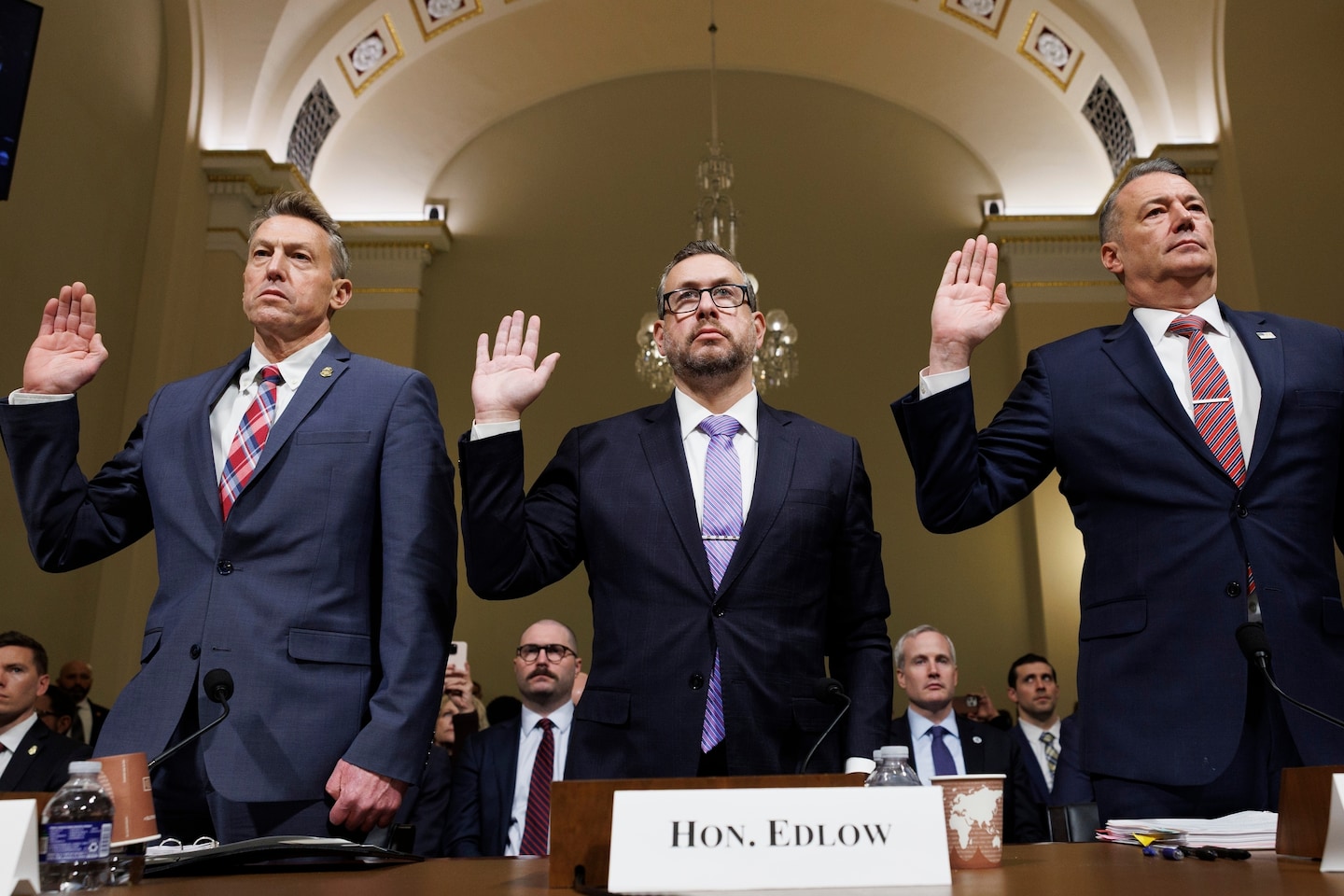
For the first time since federal agents killed two Americans on the streets of Minneapolis, the officials overseeing President Donald Trump's aggressive deportation campaign were called to testify before Congress. This Republican-led hearing, rather than serving as a rubber stamp for the administration's hardline immigration stance, revealed a surprisingly candid internal critique: at least some within the GOP are urging Immigration and Customs Enforcement (ICE) to "tone it down." This pivotal moment signals not only potential fractures within the Republican Party regarding immigration enforcement but also raises critical questions about accountability, strategy, and the very definition of border security in America.
The Shadow of Minneapolis: A Catalyst for Scrutiny
The backdrop to Tuesday's congressional hearing is grim. The tragic deaths of two Americans at the hands of federal agents in Minneapolis served as a stark, unavoidable catalyst. While details surrounding the incident remain critical, its immediate aftermath clearly prompted a level of discomfort and scrutiny within Republican ranks that had been largely absent during the Trump administration's tenure. Prior to this, the GOP had largely championed ICE, viewing its robust enforcement actions as a crucial deterrent and a fulfillment of campaign promises. The Minneapolis incident, however, appears to have crossed a line for some, forcing a reevaluation of tactical aggressiveness and public perception.
Unpacking the Congressional Interrogation
The officials tasked with overseeing President Trump's deportation policies faced a barrage of questions from their own party. While the specific nature of these questions isn't fully detailed in the immediate report, the overarching sentiment points to concerns about operational procedures, the scope of ICE's authority, and the potential for unintended, tragic consequences. For years, the rhetoric around immigration enforcement had been largely one-sided, focusing on the need for absolute control and the removal of undocumented individuals. This hearing suggests a growing recognition that such policies, when implemented with extreme force, can have devastating human costs and significant political repercussions.
What Does "Tone It Down" Really Mean?
The phrase "tone it down" is inherently ambiguous but profoundly significant. It could imply a range of adjustments: a call for greater restraint in arrests, a more selective targeting of individuals with serious criminal records over those with minor infractions, improved de-escalation training for agents, or even a strategic shift in public messaging to reduce perceived hostility. This pivot from outright endorsement to cautious admonishment highlights a complex internal debate within the GOP. Are they responding to a genuine concern for human rights, or is this a calculated political move to mitigate negative publicity and prevent further incidents that could alienate key voter demographics?
Navigating the Political Minefield: GOP Motivations
Understanding the motivations behind this Republican-led push for moderation is key. One perspective suggests a genuine acknowledgment that the aggressive tactics, particularly those leading to the deaths in Minneapolis, are morally indefensible and erode public trust in law enforcement. Another, more cynical view, posits that this is a damage control operation. With national attention drawn to the lethal consequences of overzealous enforcement, some Republicans may be seeking to insulate themselves from potential political fallout, especially with future elections looming. There's also the possibility of a growing ideological rift, where some traditional conservatives are wary of the executive branch's unchecked power, even when wielded by a Republican president.
Future Implications for ICE and Immigration Policy
The immediate question is whether this congressional pressure will translate into tangible policy shifts within ICE. While a single hearing may not dismantle the entire enforcement apparatus, it sets a precedent for internal scrutiny. If some Republicans continue to push for a less confrontational approach, it could force the Trump administration to at least publicly address these concerns, if not subtly adjust its operational directives. This shift could potentially lead to:
- Increased oversight and accountability mechanisms for ICE operations.
- A review of "deportation campaign" tactics, possibly leading to a narrower focus on violent offenders.
- Greater emphasis on community relations and less on highly publicized raids.
However, the deeply entrenched political polarization around immigration means any significant shift will be met with resistance. The "tone it down" directive might be a temporary measure to calm public outcry rather than a fundamental change in philosophy. It forces a national conversation about the limits of enforcement and the price of an aggressive immigration stance, a conversation that is long overdue.
Conclusion: A Crack in the Foundation?
The Republican-led hearing on ICE represents a significant, if perhaps uncomfortable, moment for the party and the nation. Following the tragic events in Minneapolis, the call for ICE to "tone it down" from within the GOP itself signals a potential crack in the unified front that has characterized the Trump administration's immigration policy. Whether this represents a genuine ideological shift, a strategic political maneuver, or merely a temporary concession to public pressure remains to be seen. What is clear, however, is that the debate over how America enforces its immigration laws has grown more complex, even among those who once championed its most stringent application. The implications of this newfound scrutiny will reverberate through future policy debates, potentially reshaping the very face of immigration enforcement in the years to come.