The multiverse, once a fertile ground for speculative fiction, has evolved from a cosmic playground into a narrative black hole. What began as a fascinating concept—infinite parallel realities offering boundless storytelling potential—has in recent years become a ubiquitous, and often exhausting, trope across film, television, and video games. From superhero sagas to animated adventures, the allure of 'anything is possible' has frequently devolved into 'nothing truly matters,' creating a sense of narrative entropy that threatens to undermine genuine creativity.
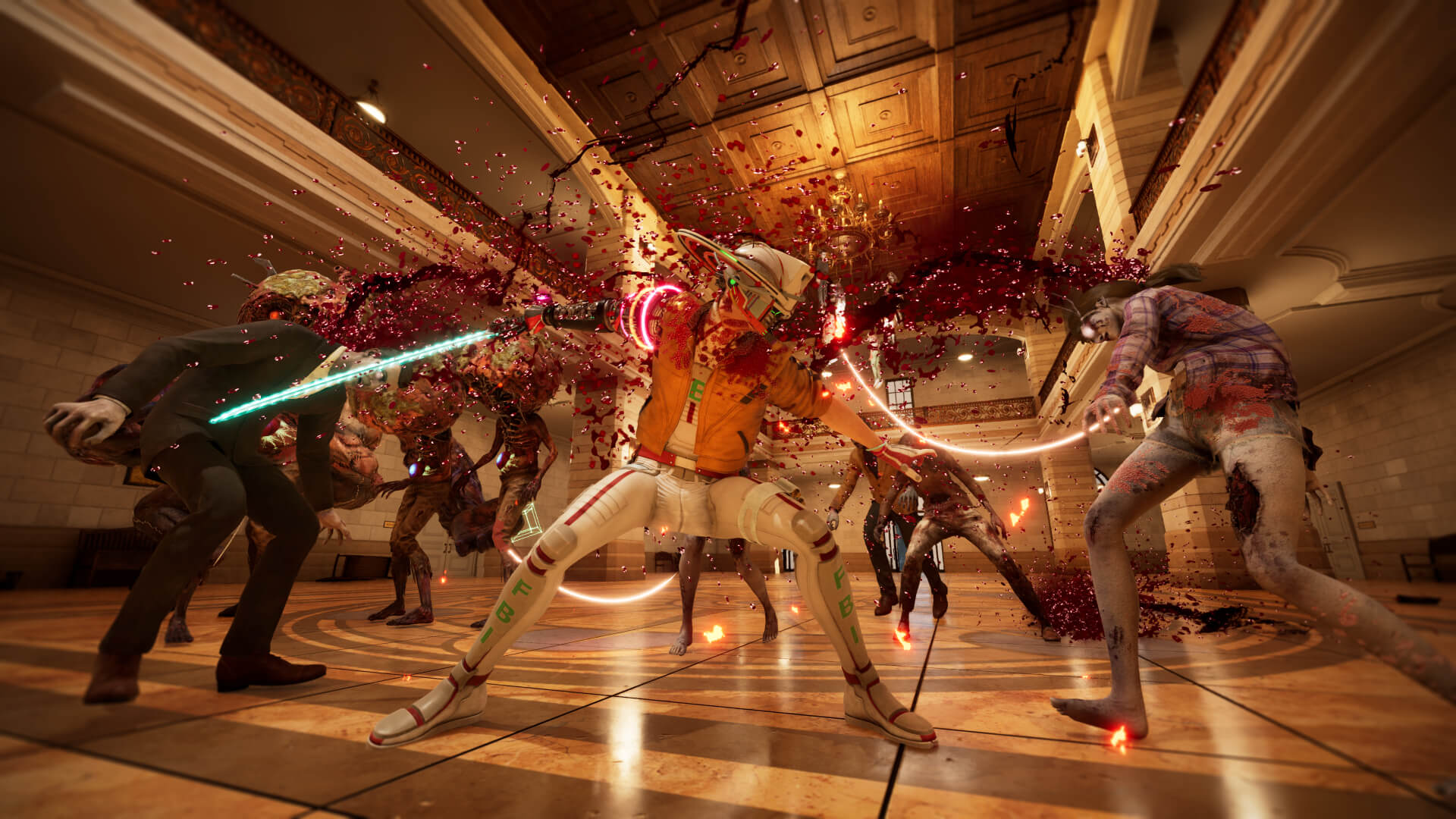
Into this saturated landscape steps "Romeo Is A Dead Man," a sci-fi action game heralded as another dose of SUDA51's trademark strangeness. Initial impressions promised a clever, even satirical, take on the multiverse craze. Yet, as critical reception suggests, the game ultimately plays things "too straight," ironically succumbing to the very narrative pitfalls it seemingly set out to parody. This paradoxical journey offers a poignant reflection on the current state of multiverse storytelling and raises crucial questions about its future.
The Ubiquity and Weariness of Infinite Worlds
For decades, writers and creators have dabbled in parallel dimensions. From classic sci-fi novels to comic book crossovers, the idea of alternate realities has fueled countless "what if" scenarios. However, the last decade has seen an unprecedented explosion of multiverse narratives in mainstream pop culture. The Marvel Cinematic Universe's Phase Four heavily leans on it, the DC multiverse is constantly being explored and rebooted, and even animated masterpieces like "Spider-Man: Into the Spider-Verse" have pushed the concept to new creative heights. The appeal is clear: it allows for fan-favorite character returns, intricate lore expansion without rigid continuity, and a reset button for flagging franchises.
Yet, with great power comes great narrative fatigue. When every plot twist can be explained by an alternate reality, and every character death can be undone by a variant, the stakes diminish. The emotional weight of choices, consequences, and character arcs can dissipate, leaving audiences feeling less invested. The "black hole" metaphor isn't just poetic; it speaks to the way these narratives can consume logic, emotional impact, and ultimately, a sense of coherent purpose, replacing it with an endless, often meaningless, cascade of possibilities.
SUDA51's Promise: Satire and Stylistic Subversion
Grasshopper Manufacture, under the creative vision of Goichi "SUDA51" Suda, is renowned for its eccentric, stylish, and often bewildering games. Titles like "Killer7," "No More Heroes," and "Lollipop Chainsaw" are celebrated for their distinctive aesthetics, dark humor, and willingness to defy conventional storytelling. A SUDA51 game tackling the multiverse promised something truly special: a deconstruction, a tongue-in-cheek jab at the concept's excesses, filtered through his signature blend of punk rock attitude and psychological surrealism. The description of "Romeo Is A Dead Man" initially suggested this very trajectory, intending to "slyly parody multiverse nonsense." Players anticipated a narrative that would expertly dissect the absurdity, using the multiverse as a canvas for SUDA51's unique brand of chaos and critical commentary.
The Paradox: Playing it Too Straight
The critical consensus, however, points to a surprising pivot. Despite its initial satirical leanings, "Romeo Is A Dead Man" reportedly pivots from parody to conventionality, playing the multiverse "too straight." This suggests that even a master of unconventional narratives like SUDA51 found it challenging to maintain a purely critical stance while also delivering a compelling story within the very framework he sought to critique. Did the game become entangled in its own convoluted lore? Did the desire for a coherent plot eventually override the satirical impulse? It's a fine line to walk: how do you satirize a concept without eventually embodying its flaws? The game's narrative reportedly loses its subversive edge, descending into the very complex, often self-serious, multiverse explanations it initially seemed to mock. This shift can dilute the player experience, trading unique insight for familiar tropes, and leaving players with a sense of unmet expectation.
Future Implications: Escaping the Narrative Gravity Well
The trajectory of "Romeo Is A Dead Man" serves as a cautionary tale and a powerful indicator for the broader entertainment industry. If even a visionary like SUDA51 struggles to sustain a unique, critical perspective on the multiverse without eventually "playing it too straight," what hope is there for less daring creators? It highlights the immense pressure to conform to established, audience-tested narrative structures, even when the initial intent is to subvert them. For storytelling to evolve, creators must either find truly fresh, innovative ways to utilize the multiverse concept—perhaps focusing on the philosophical implications rather than just infinite iterations—or dare to explore entirely new narrative frontiers.
The challenge isn't just about avoiding the multiverse; it's about re-embracing originality and high stakes. It's about crafting stories where choices matter, where consequences are real, and where the narrative isn't endlessly diluted by alternate realities. Only then can we escape the narrative gravity well that threatens to pull all speculative fiction into a predictable, diluted sameness.
Conclusion
"Romeo Is A Dead Man" stands as a fascinating, if somewhat tragic, case study. It began with the promise of deconstructing one of pop culture's most pervasive trends, only to ultimately become another example of its pervasive grip. Its journey reflects a broader struggle within modern storytelling: how to innovate and critique without falling prey to the very conventions being challenged. For NovaPress, the message is clear: the multiverse may offer infinite possibilities, but true narrative brilliance often lies in focused vision, daring execution, and the courage to stray from the well-trodden, multiverse-spanning path.