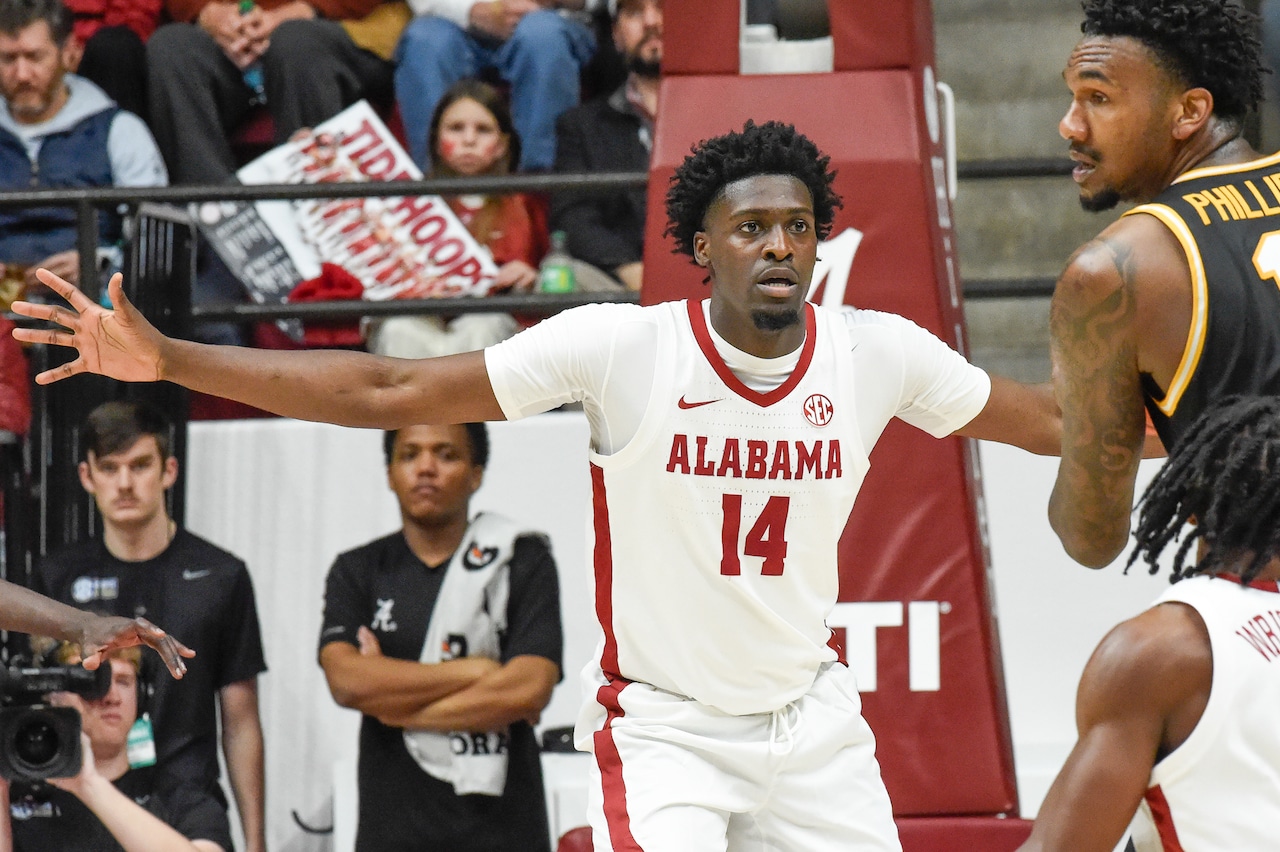
Bediako's Collegiate Dream Denied: A Deep Dive into Amateurism, Eligibility, and the Shifting Sands of College Sports Law
TUSCALOOSA, AL – In a ruling that reverberates through the world of collegiate athletics, Tuscaloosa circuit court judge Daniel Pruet has denied Charles Bediako's motion for a preliminary injunction, effectively blocking the former professional basketball player from donning an Alabama Crimson Tide uniform. The decision, revealed in recent court documents, sends a clear, if complex, message about the enduring, albeit evolving, lines between professional aspirations and amateur eligibility in NCAA sports.
The Heart of the Dispute: A Professional Past Meets College Aspirations
At the core of this high-stakes legal battle is Charles Bediako, a talented center whose journey through basketball has taken a circuitous route. After a promising collegiate stint, Bediako made the decision to pursue professional opportunities, a path that often precludes a return to NCAA play. However, in an era marked by transfer portals and Name, Image, and Likeness (NIL) legislation, the landscape of collegiate eligibility has become a thorny thicket, prompting Bediako to seek a return to the amateur ranks at Alabama.
A preliminary injunction is a powerful legal tool, sought to prevent immediate, irreparable harm and allow a party to continue an action while the underlying legal merits of a case are fully deliberated. For Bediako, securing this injunction would have meant immediate eligibility to play for the Crimson Tide, a prospect that undoubtedly excited the program's coaching staff and fanbase. Judge Pruet's denial, however, indicates that the court found insufficient grounds – whether in the likelihood of Bediako's ultimate legal success or the immediacy of irreparable harm – to grant such a temporary reprieve.
Decoding the Court's Decision: Amateurism's Unyielding Grip?
While the full details of the court's reasoning await public release, the denial of a preliminary injunction in such a high-profile case suggests a robust defense of traditional NCAA amateurism rules regarding professional play. Unlike transfer portal rules, which have seen significant liberalization, the line separating amateur from professional status, particularly when an athlete has previously received compensation for their athletic performance, remains one of the NCAA's most steadfast, if controversial, tenets.
The judge's decision likely weighed heavily on precedents and the specific details of Bediako's professional engagement. It serves as a stark reminder that despite the seismic shifts brought by NIL and the transfer portal, the concept of a 'professional' athlete returning to 'amateur' competition is still fraught with legal and regulatory hurdles that are far from overcome.
Implications for Alabama and Bediako's Future
For the Alabama Crimson Tide basketball program, this ruling is a significant blow. The addition of a player of Bediako's caliber would have provided immediate depth, experience, and talent to a roster with high aspirations. Coaches now face the challenge of adjusting strategies and rotation plans without the anticipated boost. The recruitment landscape, too, might be subtly affected, as players with professional stints might view the path back to college as increasingly precarious.
For Charles Bediako, the immediate future is undeniably uncertain. The denial of the injunction does not necessarily end his legal battle with the NCAA or other entities; the underlying lawsuit may still proceed to a full trial. However, the path to playing collegiate basketball in the immediate future appears closed. His options now likely include pursuing an appeal of this specific ruling, continuing the protracted legal fight for long-term eligibility, or, perhaps, returning to professional basketball, either domestically or internationally.
Broader Ramifications: The Amateurism Debate Continues
This case isn't just about one player or one team; it's a microcosm of the larger, ongoing debate about amateurism in college sports. As athletes gain more agency and the financial stakes in collegiate athletics soar, the traditional definitions of 'amateur' and 'professional' become increasingly blurred and, in many eyes, antiquated. The Bediako ruling underscores the complex legal and ethical tightrope the NCAA and individual institutions must walk as they try to balance competitive integrity with athlete welfare and evolving societal norms.
The decision against Bediako's injunction is a powerful reaffirmation of the current legal framework surrounding professional eligibility. It forces a critical re-evaluation of how collegiate sports will define and enforce its rules in an era where the lines between college and pro are more permeable than ever before. While the chapter on Charles Bediako's attempt to return to Alabama basketball may be closing for now, the broader narrative of athlete eligibility and the future of college sports is far from over.