ISS Under Pressure: A Medical Emergency Sparks a Swift, International Crew Change
The International Space Station, humanity's orbital outpost, serves as a crucible for scientific discovery and a beacon of international collaboration. Yet, even in the vacuum of space, unforeseen challenges can arise. A recent medical issue aboard the ISS necessitated the early return of four crew members, an unexpected turn that has triggered a remarkable demonstration of global operational resilience: a new crew, comprising American, French, and Russian astronauts, is now launching ahead of schedule, eager to pick up the mantle.
An Unprecedented Call to Duty
Last month, the space community faced a rare challenge when a medical situation prompted the premature departure of a four-person crew from the ISS. While specific details remain confidential to protect the privacy of the individuals involved, the incident underscored the inherent risks and human vulnerabilities in the demanding environment of space. The early return left a critical void, but more significantly, it set into motion a rapid response from the world's leading space agencies.
The New Guardians of Orbit
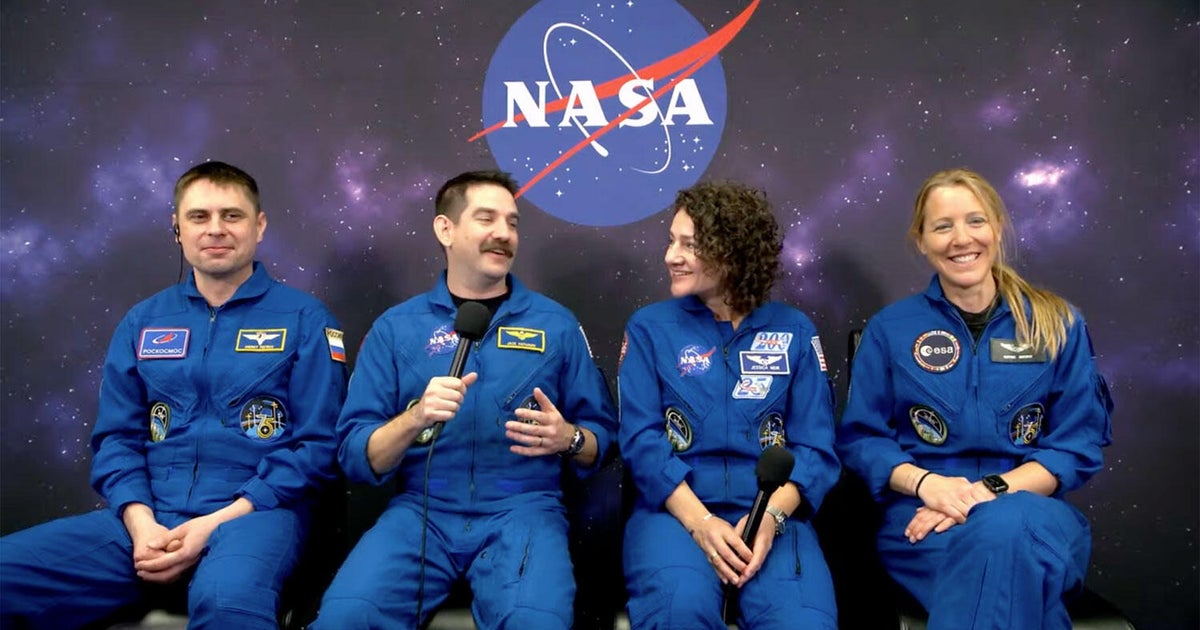
Stepping up to this urgent call are two Americans, a French astronaut, and a Russian cosmonaut. Their launch, now slated ahead of its original schedule, is a testament to the rigorous training, preparedness, and unwavering dedication of those who venture beyond Earth. Their collective eagerness, despite the unusual circumstances, speaks volumes about the commitment to the mission and the continuous human presence in low-Earth orbit.
This diverse crew embodies the spirit of international cooperation that has defined the ISS program for decades. At a time when geopolitical tensions often dominate headlines, the sight of astronauts and cosmonauts preparing to launch together, sharing the common goal of advancing human knowledge, serves as a powerful reminder of shared humanity and scientific pursuit.
Operational Resilience in Action
The swift mobilization of a replacement crew highlights the extraordinary operational resilience of NASA, Roscosmos, and the European Space Agency (ESA). Manning the ISS is a complex ballet of logistics, training, and scheduling, often planned years in advance. To pivot so rapidly, ensuring a fully trained and medically cleared crew is ready to launch on short notice, demonstrates the robust contingency planning embedded within these programs.
This incident, while challenging, provides invaluable data on how space agencies can adapt to unforeseen circumstances. It tests the limits of their emergency protocols, supply chains, and crew readiness, ultimately strengthening the entire framework for future long-duration missions, whether to the Moon, Mars, or beyond.
The Future of Human Spaceflight: A Continuous Presence
The continuous human presence on the ISS is not merely about maintaining a laboratory; it's about sustaining humanity's foothold in space, pushing the boundaries of what is possible, and preparing for the next giant leaps. The lessons learned from crew rotations, medical contingencies, and rapid deployments are critical for ensuring the safety and success of missions that will take humans further into the solar system.
As the new crew prepares to blast off, their mission transcends routine; it is a reaffirmation of our collective commitment to exploration, a testament to the strength of international partnerships, and a clear signal that humanity's gaze remains fixed on the stars, even when faced with earthly challenges.
NovaPress Editorial Board