Beyond the Hype: Why Financial Times Warns Bitcoin is Grossly Overvalued and a Crypto Crash is Imminent
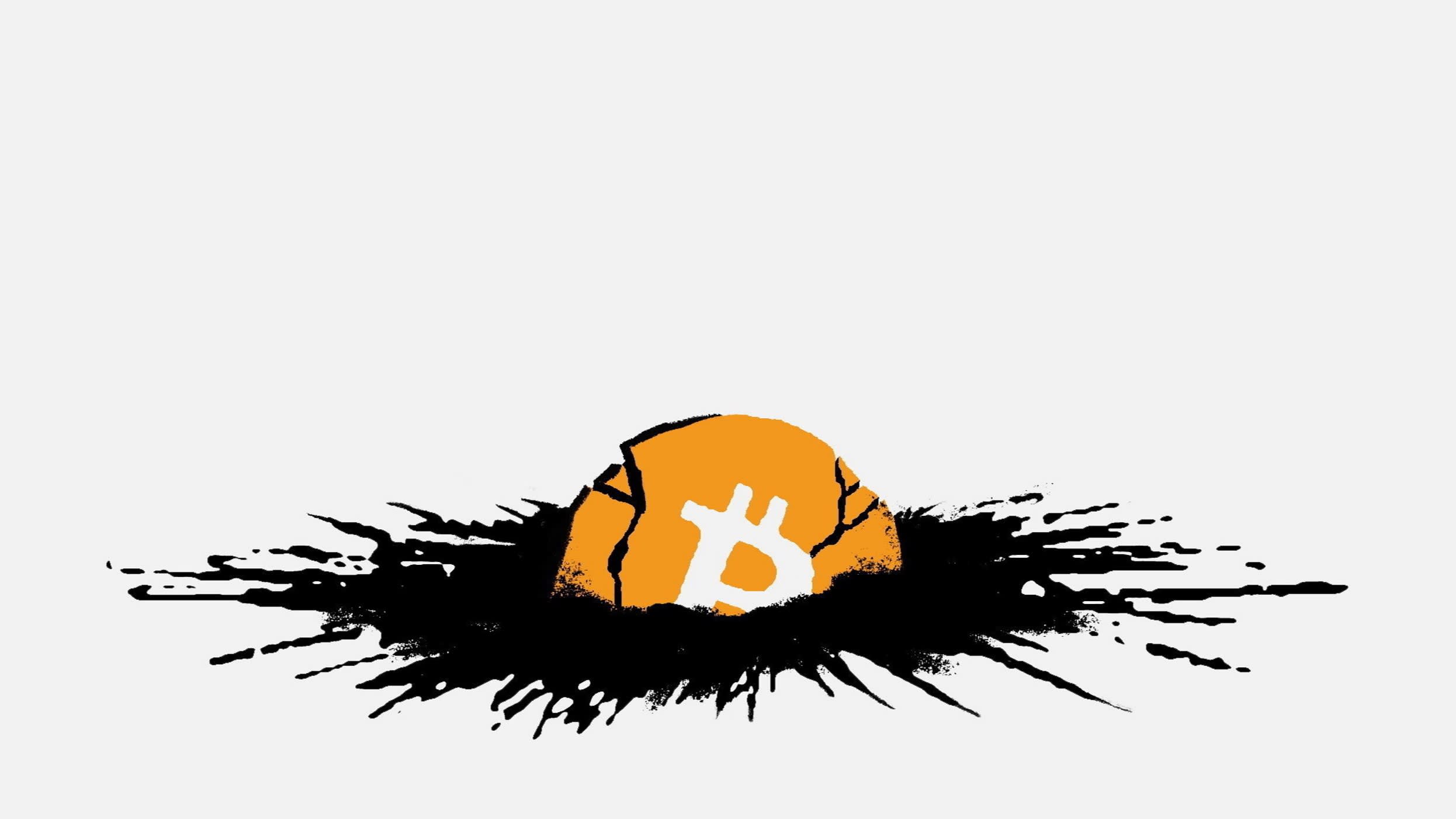
The world of digital assets, often hailed as the future of finance, is no stranger to volatility and dramatic price swings. Yet, a recent stark warning from the venerable Financial Times cuts through the noise with chilling clarity: "Bitcoin is still about $69,000 too high." This isn't just a casual observation; it's a declaration that a "crypto crash is coming — and the landing won’t be pretty." NovaPress delves deep into the implications of this audacious claim, exploring the underlying rationale and the potential fallout for investors and the broader financial landscape.
The Weight of the Financial Times' Warning
When a publication like the Financial Times issues such a definitive statement, it carries significant weight. Known for its rigorous economic analysis and sober market commentary, the FT rarely engages in hyperbole. Their assertion that Bitcoin, even after significant corrections from its all-time highs, remains approximately $69,000 above its 'true' value is a profound indictment of the asset's current pricing and the speculative frenzy that often surrounds it.
This isn't the first time established financial institutions have sounded the alarm on crypto. However, the specificity of the valuation – $69,000 too high – suggests a deeper analytical basis, likely rooted in a skepticism about Bitcoin's intrinsic utility, its role as a store of value, and the sustainability of its adoption narrative at current price levels. It echoes historical warnings preceding other market bubbles, from the dot-com bust of the early 2000s to the subprime mortgage crisis, where asset prices decoupled dramatically from underlying fundamentals.
Unpacking the Overvaluation Argument
What exactly constitutes Bitcoin being "$69,000 too high"? While the FT's full analysis remains behind a paywall in the provided snippet, several factors likely underpin such a bearish assessment:
- Lack of Intrinsic Value: Unlike a company with earnings or a commodity with industrial applications, Bitcoin's value is largely derived from network effects, scarcity, and collective belief. Critics argue that without tangible cash flows or a clear, widespread use case as a medium of exchange that justifies its market capitalization, its price is purely speculative.
- Speculative Bubble Dynamics: Crypto markets are notorious for their reliance on 'greater fool' theory – the idea that an asset's price will continue to rise as long as there's someone else willing to pay more for it. This can lead to rapid price appreciation driven by FOMO (Fear Of Missing Out) rather than fundamental shifts in value.
- Macroeconomic Headwinds: The era of ultra-low interest rates and quantitative easing, which fueled much of the speculative asset boom across various markets, is largely over. Central banks globally are tightening monetary policy, making riskier assets like cryptocurrencies less attractive. Higher interest rates increase the opportunity cost of holding non-yielding assets.
- Regulatory Uncertainty: Governments worldwide are grappling with how to regulate cryptocurrencies. Increased scrutiny, potential bans, or stringent taxation could significantly dampen demand and liquidity.
The Impending Crash: What a "Not Pretty" Landing Entails
The FT's ominous prediction of a "not pretty" landing suggests a significant and potentially brutal market correction. This could manifest in several ways:
- Liquidation Cascades: A sharp downturn can trigger forced liquidations of leveraged positions, further accelerating price declines as assets are sold off en masse.
- Investor Panic and Capitulation: Retail and institutional investors, especially those who entered the market at or near peak valuations, could face significant losses, leading to widespread panic selling.
- Ecosystem Fragility: The interconnected nature of the crypto ecosystem, particularly through DeFi (Decentralized Finance) and stablecoins, means that a severe downturn in one major asset like Bitcoin could have ripple effects, exposing vulnerabilities in other protocols and potentially leading to insolvencies.
- Broader Market Contagion: While less likely to destabilize the entire global financial system given crypto's relatively smaller size, a massive crypto crash could still impact adjacent markets, particularly tech stocks and venture capital firms heavily invested in the space.
Looking Ahead: A Necessary Reset or the End of an Era?
For long-term proponents, a significant correction might be viewed as a necessary 'purification' of the market, flushing out speculative excesses and leaving behind more resilient projects and a stronger, more mature ecosystem. However, for those caught unaware, the personal financial consequences could be devastating.
The Financial Times' warning serves as a crucial reminder for investors to exercise extreme caution, conduct thorough due diligence, and avoid succumbing to the allure of quick riches in highly speculative markets. While the future of digital assets remains a topic of intense debate, the message is clear: the current pricing of Bitcoin appears to be built on an unsustainable foundation, and a reckoning may be closer than many anticipate.