Beyond the Yolk: Unraveling the Cellular Masterminds Behind Healthy Egg Formation
Every healthy life begins with a healthy egg, yet the intricate cellular architecture required to create this foundational structure has long remained one of biology's most profound and challenging mysteries. Now, groundbreaking research from Northwestern Medicine is pulling back the curtain, shedding vital light on the microscopic 'construction project' that ensures a viable egg, paving the way for deeper understanding in reproductive health and cellular mechanics.
The Blueprint of Life: A Delicate Cellular Symphony
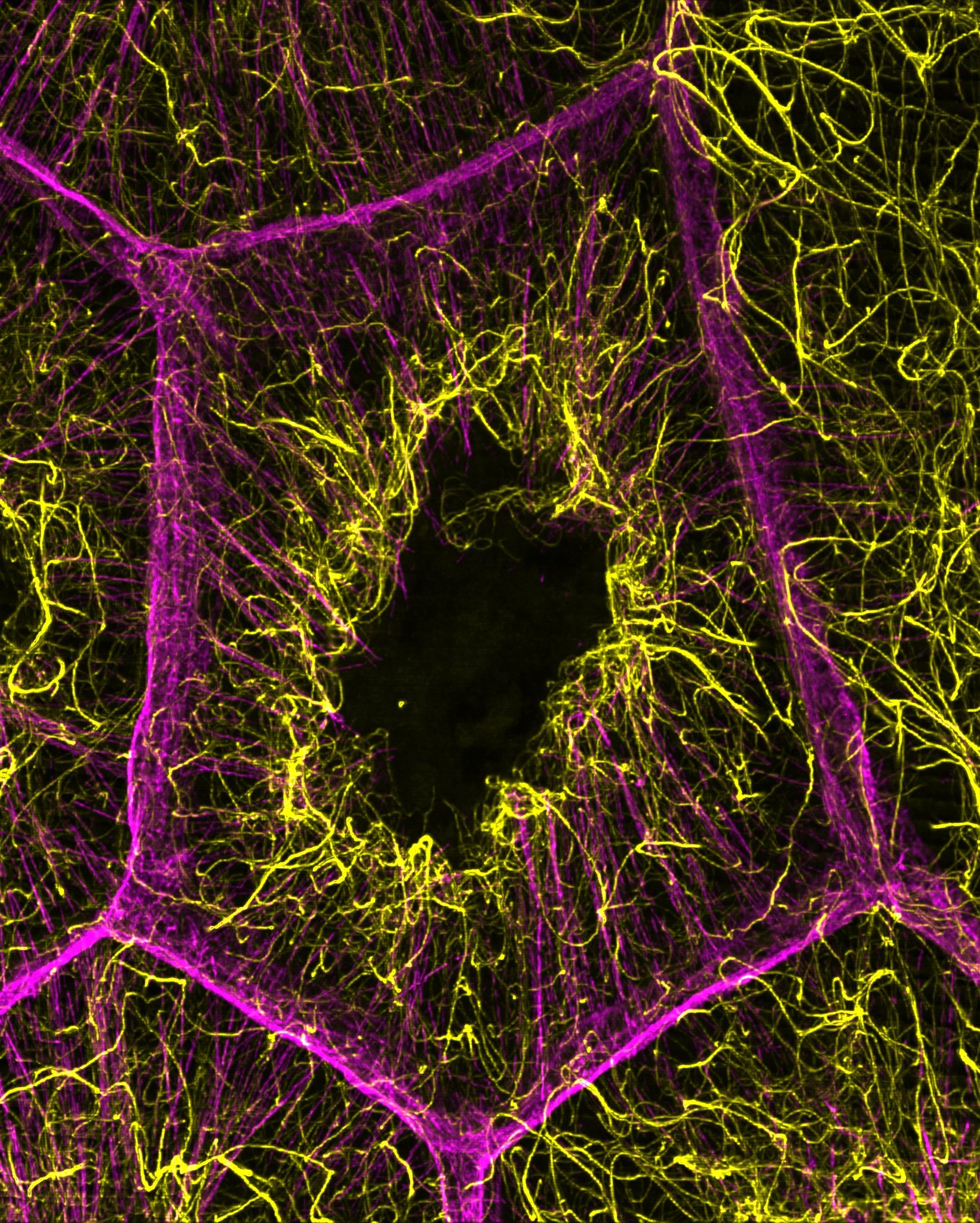
At the heart of the Northwestern study, published in the prestigious Journal of Cell Biology, lies the revelation of how cells meticulously build and coordinate their internal scaffolding. This isn't just about assembling parts; it's about a dynamic, synchronized dance between two fundamental cellular components: actin and microtubules. Think of it as a biological construction site where these two proteins act as both the structural framework and the internal transport system, crucial for shaping the egg and correctly distributing vital cellular components.
Actin filaments, often described as the cell's 'muscle,' provide structural support, help define cell shape, and are vital for cell movement. Microtubules, on the other hand, are like the cell's internal railway tracks, guiding the transport of organelles, vesicles, and chromosomes, and playing a critical role in cell division. While their individual functions have been extensively studied, the precise mechanisms by which they cooperate and coordinate to achieve such a complex task as egg formation have been less clear – until now.
Northwestern's Breakthrough: Unveiling the Coordination Network
The research team at Northwestern Medicine employed advanced imaging techniques and genetic manipulation to observe these cellular architects in action. Their findings illustrate how actin and microtubules don't merely exist in proximity but actively communicate and influence each other's assembly and function. This coordination is not just about structural integrity; it's about ensuring the egg develops with the correct polarity, size, and internal organization necessary for successful fertilization and early embryonic development.
The study detailed specific molecular pathways and regulatory proteins that act as 'project managers,' dictating when and where actin and microtubules should assemble, disassemble, and interact. This intricate regulatory network ensures that the cellular architecture is not rigid but adaptable, responding to developmental cues and correcting potential errors during the highly dynamic process of oogenesis.
Implications Far Beyond Reproduction
While the immediate focus of this research is on egg development, its implications stretch far wider, impacting numerous fields of biology and medicine:
- Reproductive Health: A deeper understanding of this cellular scaffolding could unlock new avenues for diagnosing and treating infertility, improving IVF success rates, and preventing early developmental defects. Many reproductive challenges stem from issues with egg quality, which are often rooted in these fundamental cellular processes.
- Cancer Biology: The cytoskeleton – the collective term for actin and microtubules – plays a critical role in cell migration, invasion, and division, processes central to cancer metastasis. Insights into how these components are coordinated in egg formation could offer new perspectives on controlling uncontrolled cell growth and spread.
- Neurodegenerative Diseases: Disorders like Alzheimer's and Parkinson's are often characterized by disruptions in the neuronal cytoskeleton, affecting transport and structural integrity. Understanding optimal cytoskeletal coordination could inform research into maintaining neuronal health.
- Developmental Biology: This research provides a fundamental model for how complex cellular shapes and internal organizations are established during development, offering insights applicable across various tissues and organisms.
Looking Ahead: The Future of Cellular Engineering
The Northwestern Medicine study marks a significant leap forward in our understanding of fundamental cellular biology. By illuminating the sophisticated coordination between actin and microtubules, scientists are not just observing life's intricate dance but beginning to comprehend its choreography. As NovaPress, we believe such foundational discoveries are paramount, not only for advancing scientific knowledge but for ultimately translating into tangible benefits for human health.
This breakthrough provides a robust framework for future research, potentially leading to novel therapeutic strategies and a more profound appreciation for the microscopic wonders that govern life itself. The quest to understand how cells build and coordinate the scaffolding for a healthy egg is far from over, but thanks to this illuminating work, we've taken a crucial step closer to decoding one of biology's most elegant blueprints.