Beyond the Symptoms: Unraveling Amiah's Years-Long Medical Mystery and the Search for a Rare Diagnosis
The journey of a parent with a chronically ill child is often fraught with anxiety, countless doctor visits, and an agonizing search for answers. For Marilyn Medina, this journey began even before her daughter, Amiah, entered the world. Appearing small on ultrasounds at 38 weeks, Amiah’s induced birth at a mere five pounds hinted at an underlying complexity that would take years to fully comprehend.
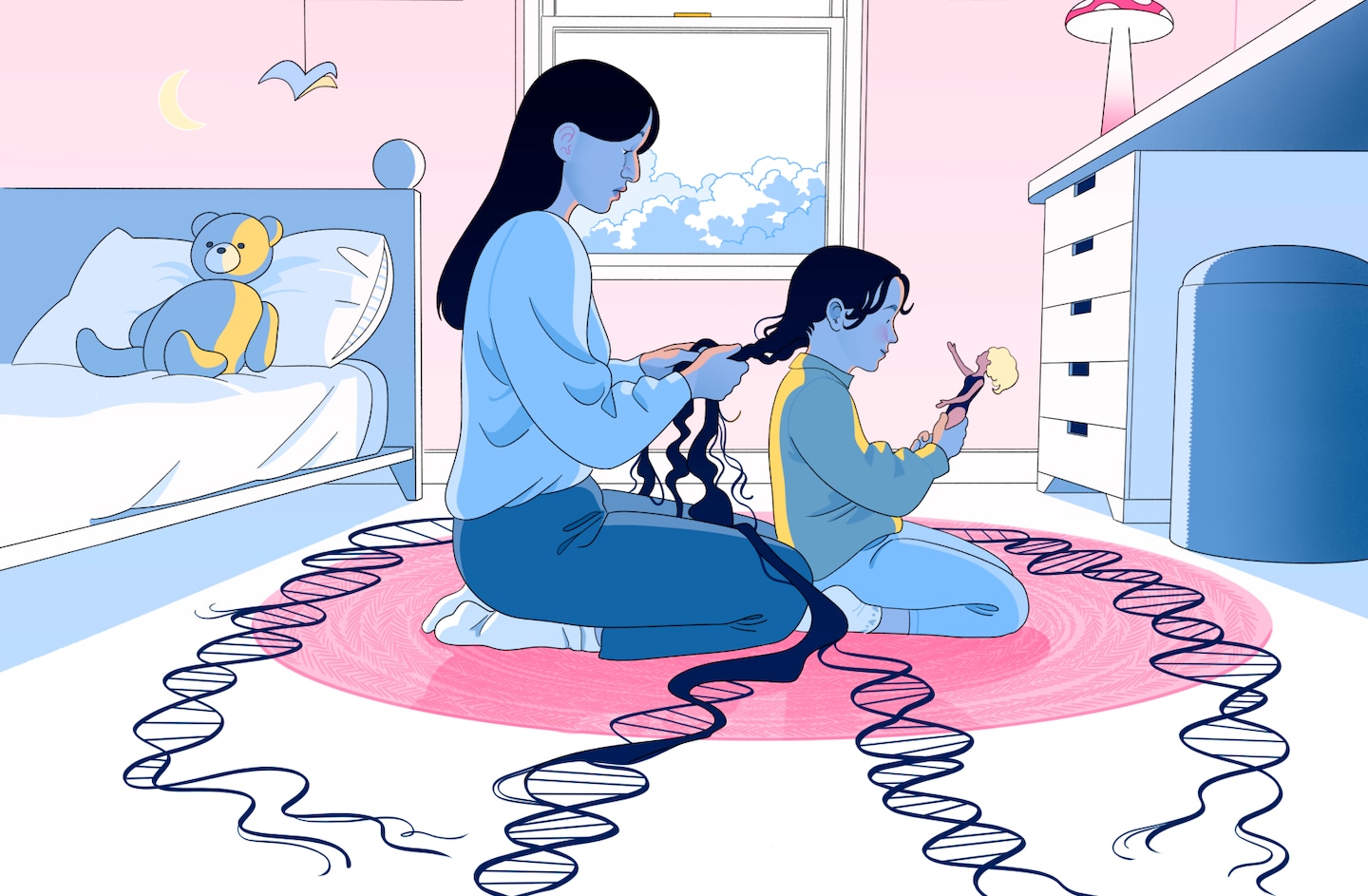
Initially, minor jaundice was the only immediate concern. However, as Amiah grew, a more disturbing pattern emerged: recurrent high fevers, followed by perplexing hair loss. These weren't isolated incidents; they were persistent, debilitating symptoms that confounded pediatricians and specialists alike. What began as a series of unexplained ailments evolved into a profound medical mystery, casting a shadow over the family's life and pushing the boundaries of medical understanding.
The Diagnostic Odyssey: A Labyrinth of Uncertainty
The path to a diagnosis for a rare disease is notoriously arduous. Families often endure a "diagnostic odyssey" – a period spanning years, sometimes decades, marked by misdiagnoses, ineffective treatments, and a profound sense of isolation. Amiah's case perfectly encapsulates this struggle. Her fevers and hair loss could point to a myriad of conditions, from common infections to autoimmune disorders, making a definitive diagnosis akin to finding a needle in a haystack.
Parents become accidental experts, meticulously documenting every symptom, every fever spike, every change in appetite or energy. They navigate a healthcare system that, while well-intentioned, is not always equipped to recognize conditions that affect only a handful of individuals globally. This relentless pursuit of answers takes an immense emotional and financial toll, requiring unwavering advocacy and an almost superhuman resilience from caregivers.
The Breakthrough: When Rare Becomes Recognizable
The moment a rare diagnosis is finally made is often a mix of relief and trepidation. Relief, because the unknown is finally named, offering a potential path forward for treatment and understanding. Trepidation, because the rarity itself often means limited research, few established treatments, and a community that might feel small and underserved. While the specific rare diagnosis for Amiah isn't detailed, the very fact that it was "finally solved" after years speaks volumes about advancements in diagnostic tools and the power of dedicated medical teams.
Often, breakthroughs in such cases come from advanced genetic sequencing, a broader understanding of complex syndromes, or the serendipitous connection made by a specialist who has encountered a similar, obscure case. These moments highlight the critical importance of interdisciplinary collaboration and persistent investigation, refusing to dismiss symptoms as merely "unexplained."
Broader Implications: Advocating for the Undiagnosed
Amiah's story is a poignant reminder of the millions globally living with undiagnosed or misdiagnosed rare diseases. Her journey underscores several critical points for the wider healthcare community and society:
- Early Recognition: The subtle signs present from birth, like Amiah's small size, often hold clues that become more significant in retrospect.
- Advanced Diagnostics: Continued investment in genetic and genomic sequencing technologies is crucial for shortening diagnostic odysseys.
- Specialist Networks: Fostering collaboration and knowledge sharing among rare disease specialists can expedite diagnoses for patients like Amiah.
- Patient Advocacy: Empowering families to advocate for their children and providing resources for navigating complex medical systems is paramount.
For families like the Medinas, a diagnosis, even a rare one, marks a new beginning. It's a shift from the endless "what ifs" to a focused pursuit of managing the condition, finding support, and adapting to a new normal. Amiah's resilience, mirroring her parents' unwavering commitment, shines a light on the human spirit's capacity to confront adversity.
A Beacon of Hope in the Face of Rarity
Amiah’s years-long medical mystery, finally solved, stands as a testament to perseverance in the face of the unknown. Her story, while deeply personal, resonates with countless families worldwide grappling with similar challenges. It serves as a powerful call to action for continued research, greater awareness, and improved support systems for those living with rare diseases, ensuring that no child's medical journey remains an unsolved enigma for longer than necessary.