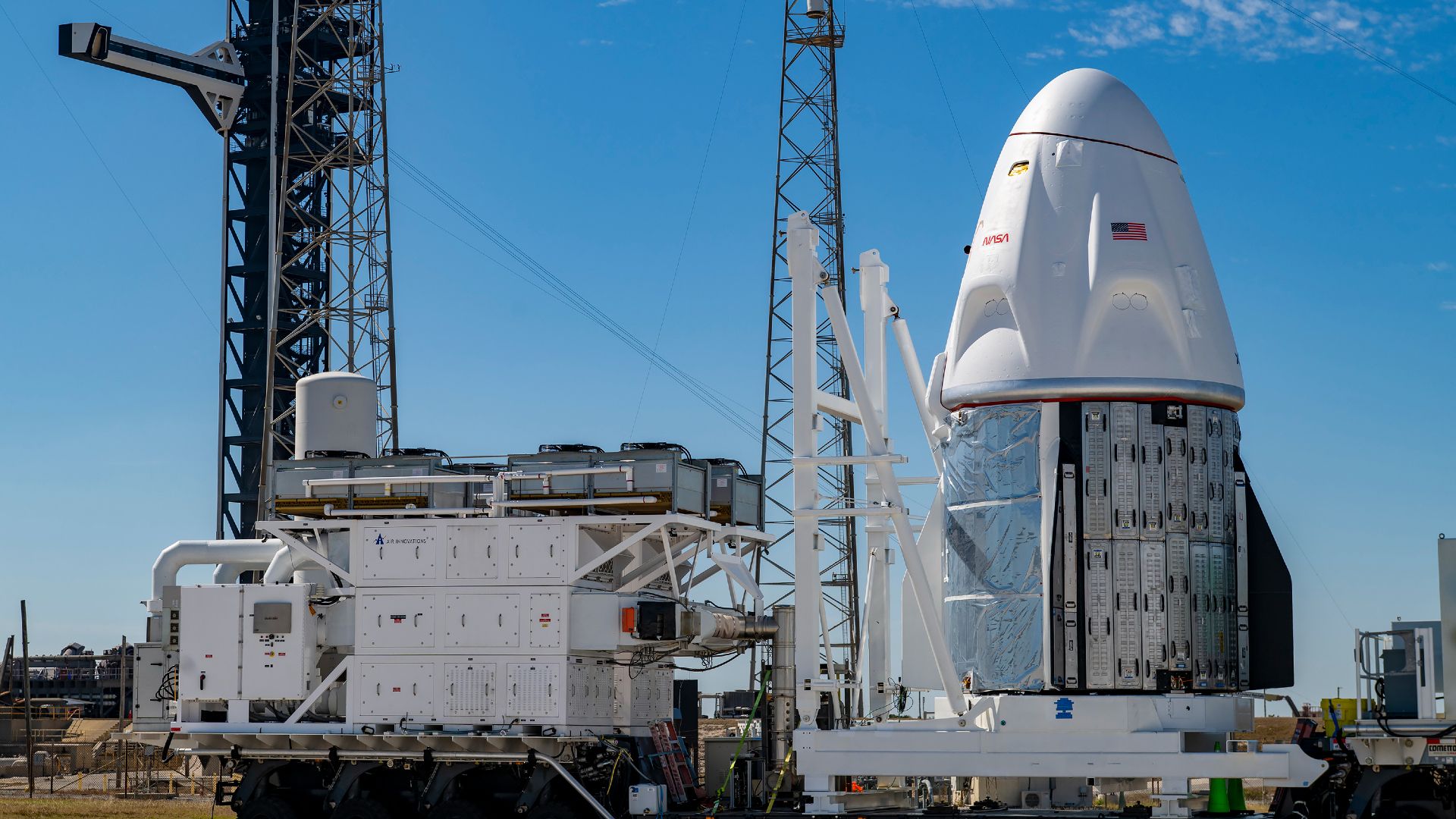
Cleared for Launch: What SpaceX's Falcon 9 Return Means for NASA and the Future of Commercial Space
The aerospace world held its breath, awaiting a pivotal decision that would impact the immediate future of human spaceflight. Today, the Federal Aviation Administration (FAA) has officially given SpaceX the green light, clearing its Falcon 9 rocket for its next crucial astronaut launch for NASA on February 11. This decision, following a rigorous investigation into previous operations, marks a significant milestone not just for SpaceX, but for the evolving landscape of commercial space exploration and its partnership with governmental agencies.
A Critical Green Light After Scrutiny
The FAA's clearance is more than just a procedural step; it's a testament to a comprehensive review process. As stated, "The FAA oversaw and accepted the findings of the SpaceX-led investigation." This indicates a collaborative yet strictly regulated environment where a commercial entity's internal analysis is subjected to external, independent oversight. For an industry built on precision and unparalleled safety, such a transparent and thorough investigation, culminating in regulatory acceptance, is paramount. It reassures stakeholders, from astronauts to taxpayers, that safety remains the absolute priority.
Securing the Commercial Pipeline for NASA
NASA's reliance on commercial partners like SpaceX for transporting astronauts and cargo to the International Space Station (ISS) has become a cornerstone of its current human spaceflight strategy. The Falcon 9, paired with the Crew Dragon spacecraft, has repeatedly proven its capability to safely ferry crews, marking a new era where private companies play a central role in national space endeavors. The FAA's decision ensures this vital pipeline remains open and robust, critical for maintaining the continuous human presence on the ISS and advancing scientific research.
Reliability Redefined
For SpaceX, this clearance reinforces its reputation as a reliable and trusted partner. In a highly competitive global launch market, demonstrating unwavering commitment to safety and regulatory compliance is a significant differentiator. It solidifies their position not just as an innovator, but as a mature and accountable aerospace entity capable of self-correction under scrutiny, thereby strengthening investor confidence and future contract prospects.
Setting Standards for a New Era in Space
Beyond the immediate launch, the broader implications of this FAA decision resonate throughout the commercial space industry. It sets a precedent for how future investigations involving private space ventures will be handled and how regulatory bodies will interact with these rapidly innovating companies. The balance between fostering cutting-edge development and ensuring stringent safety standards is delicate, and this episode provides a valuable framework for navigating that complexity.
The FAA's Pivotal Role
The FAA's regulatory oversight in commercial spaceflight is crucial. Unlike traditional government-led space programs, commercial ventures operate under different legal and operational paradigms. The FAA's role is to ensure that these commercial operations meet federal safety requirements and protect public safety. Their acceptance of SpaceX's findings demonstrates a proactive, yet firm, approach to this evolving domain, establishing trust in a sector still defining its long-term regulatory contours.
Looking Ahead: The Cadence of Innovation
With the Falcon 9 cleared, the path is open not just for the upcoming astronaut mission but for the continued rapid cadence of SpaceX launches that have become a hallmark of their operations. This allows NASA to proceed with its crew rotation schedules without significant delays, while SpaceX can continue pushing the boundaries of reusability and operational efficiency. The synergy between government oversight and commercial innovation is vital for accelerating the pace of human exploration, from Earth orbit to potential future missions to the Moon and Mars.
In essence, the FAA's clearance for SpaceX's Falcon 9 is more than just a go-ahead for a single mission. It’s a reaffirmation of a successful public-private partnership, a testament to rigorous safety protocols, and a pivotal moment that ensures the steady march of human progress further into the cosmos.