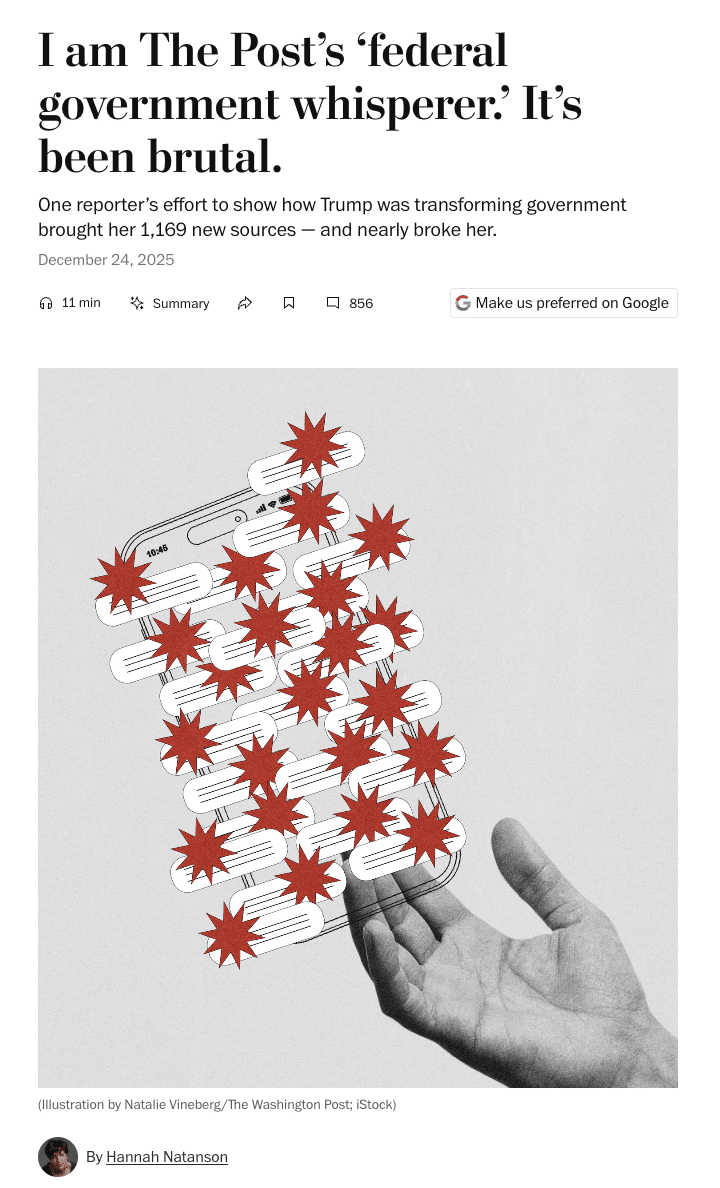
In a move that has sent ripples through journalistic circles, the Department of Justice (DOJ) is facing intense scrutiny over its alleged over-seizure of reporting materials belonging to Washington Post journalist Hannah Natanson. While the DOJ asserts its adherence to the crucial Privacy Protection Act (PPA), the details emerging from Natanson's bid to retrieve her devices paint a concerning picture, suggesting a potential disregard for journalistic protections and setting a troubling precedent for the future of press freedom.
The Seizure: A Discrepancy Between Claim and Action
The core of the controversy lies in the scope of materials seized from Natanson, including her Garmin device, which sources suggest far exceeded the probable cause tied to the specific individual, Aurelio Perez-Lug. What makes this particularly alarming is the revelation that while the DOJ now claims compliance with the Privacy Protection Act, this pivotal piece of legislation was conspicuously absent from the initial affidavit used to justify the search of Natanson’s devices.
The Privacy Protection Act of 1980 is a landmark federal law designed to protect journalists from government searches and seizures of their work product and documentary materials. It generally requires law enforcement to use subpoenas, rather than search warrants, to obtain such materials from those engaged in First Amendment activities. This protection is vital, ensuring that journalists can pursue leads and protect sources without fear of government intrusion that could reveal sensitive information or chill future reporting.
Unpacking the 'Over-Seizure'
The description of an 'over-seizure' is not merely semantic; it points to a significant breach of trust and legal protocol. If the seized materials went beyond what was strictly necessary and covered by the probable cause affidavit, it suggests an investigatory dragnet that potentially swept up unrelated journalistic work, source communications, and personal data. A Garmin device, for instance, contains location data and potentially communications, far exceeding the typical scope of evidence for a specific criminal inquiry if not directly relevant.
The absence of PPA mention in the affidavit is particularly troubling. It implies that either the PPA was not considered during the initial stages of the investigation—a grave oversight for an agency tasked with upholding constitutional rights—or it was deliberately sidestepped, only to be invoked retrospectively when challenged. This retroactive claim of adherence undermines the spirit of the PPA, which mandates proactive consideration and respectful engagement with press protections from the outset.
Implications for Press Freedom and Source Protection
The ramifications of the DOJ's actions extend far beyond Hannah Natanson. This incident sends a chilling message to journalists across the nation: that their devices, repositories of sensitive information and critical reporting, could be subject to broad government searches without adequate upfront legal justification or explicit consideration of journalistic protections. This could lead to a significant chilling effect, making sources hesitant to come forward and journalists more cautious in their pursuit of vital public interest stories.
The ability of journalists to protect their sources is foundational to a free press. Without this ability, whistleblowers and individuals with critical information about government or corporate wrongdoing may be unwilling to speak out, fearing exposure and reprisal. The seizure of a journalist's device, particularly without strict adherence to legal safeguards like the PPA, directly threatens this crucial pillar of democratic accountability.
The Path Forward: Accountability and Transparency
As Natanson continues her efforts to retrieve her devices, the focus shifts to the DOJ’s accountability and the mechanisms in place to prevent such incidents. There is a clear need for greater transparency regarding the process and decision-making leading to the initial search warrant and the subsequent claims of PPA adherence. Furthermore, this case highlights the urgent necessity for a clear, unambiguous commitment from government agencies to uphold and respect the legal protections afforded to journalists.
The NovaPress calls for a thorough review of the DOJ's internal protocols regarding searches and seizures of journalistic materials, ensuring that the Privacy Protection Act is not just an afterthought but a primary consideration woven into the fabric of every relevant investigation. Protecting the tools and materials of the press is not merely about shielding journalists; it is about safeguarding the public's right to know and the health of our democracy.