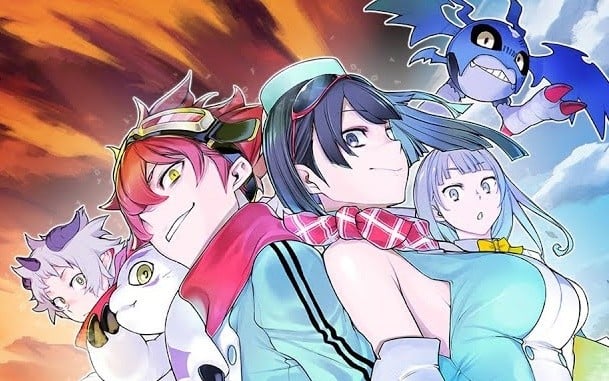
The landscape of video game distribution is in a perpetual state of flux, constantly adapting to technological advancements and shifting consumer habits. Few announcements, however, signal such a profound potential shift as the recent revelation concerning the physical release of Digimon Story Time Stranger for Nintendo's anticipated Switch 2. NovaPress has been closely monitoring this development, which, at first glance, appears to be a standard cross-generational upgrade, but upon deeper inspection, unveils a strategic pivot that could redefine what "physical" ownership means in the console space.
The "Game-Key Card": A Paradigm Shift?
The core of this transformative news lies in the detail that the physical version of Digimon Story Time Stranger for the Switch 2 will not come as a traditional cartridge, but rather as a "Game-Key Card." While the full specifics of this format are yet to be unveiled by Nintendo, the description strongly implies a physical token that contains a digital download code, effectively making a physical purchase synonymous with a digital entitlement.
This move has significant implications. For decades, physical game media, whether cartridges, CDs, or Blu-ray discs, served as a tangible manifestation of ownership, allowing for resale, lending, and offline play. A "Game-Key Card" fundamentally alters this. It retains a physical presence for collectors and retail shelves but strips away the traditional benefits of physical media, effectively acting as a gift card for a digital download. This blurring of lines between physical and digital is not entirely new – PC games have utilized similar models for years – but its potential widespread adoption on a console like the Switch 2 marks a critical juncture.
Following a Precedent: Cross-Generational Upgrades and Industry Trends
The announcement also highlighted that players purchasing Digimon Story Time Stranger for the original Switch would receive a "free Switch 2 update," drawing parallels to Bandai Namco's offering for Dragon Ball Z: Sparking! ZERO. This free upgrade path is a welcome trend for consumers, easing the transition between console generations and ensuring continuity for their game libraries. It’s a strategy designed to foster goodwill and encourage early adoption of new hardware without penalizing those who bought games on previous iterations.
However, the combination of a free digital upgrade from a cartridge-based original Switch version to a "Game-Key Card" for the physical Switch 2 release presents a fascinating dichotomy. It showcases an industry grappling with the economics of physical manufacturing, logistics, and retail space versus the cost-efficiency, immediacy, and environmental benefits of digital distribution. Publishers are increasingly favoring digital for its higher profit margins and direct consumer relationship, and innovative approaches to physical sales like the "Game-Key Card" might be an industry's way of appeasing traditionalists and retailers while pushing a predominantly digital agenda.
Implications for Consumers and the Market
For consumers, the "Game-Key Card" introduces a new dynamic. While it offers a tactile item for collectors, the inability to resell or lend a physical copy (once the code is redeemed) removes a significant advantage of buying physical. This could lead to a further decline in the pre-owned games market, shifting more revenue directly to publishers and platform holders. On the other hand, the convenience of not needing to insert a cartridge and having immediate access to a digitally downloaded game is undeniable.
The environmental argument for reduced plastic waste from cartridges is also pertinent, aligning with growing corporate responsibility trends. However, the core question remains: does a "Game-Key Card" truly constitute "physical ownership" in the traditional sense, or is it merely a physical wrapper for a digital license? This distinction is crucial for consumer rights and perceptions of value.
Nintendo's Strategic Play and the Future of Physical Media
If Nintendo universally adopts the "Game-Key Card" model for Switch 2 physical releases, it would be a bold strategic move. It could streamline their supply chain, reduce manufacturing costs associated with cartridges, and potentially mitigate gray market issues. It also gives Nintendo more direct control over game distribution, echoing the digital-first strategies seen in mobile gaming and PC platforms.
This decision by Nintendo, a company traditionally known for its strong emphasis on unique hardware and often a more conservative approach to digital-only transitions, could catalyze a broader industry shift. While Sony and Microsoft still offer disc drives on their current-gen consoles, the "Game-Key Card" represents a hybrid model that maintains a retail presence while leaning heavily into digital infrastructure. It's a calculated risk that, if successful, could accelerate the slow, inevitable march towards an all-digital future for console gaming, albeit one where a 'physical' artifact still exists on store shelves.
Conclusion: A New Era of Ownership?
The Digimon Story Time Stranger announcement, particularly the detail about the Switch 2's "Game-Key Card," is more than just news about a single title; it's a potential harbinger of things to come. NovaPress believes this represents a significant step in the evolution of game distribution, pushing the boundaries of what consumers understand as "physical" media. The success or failure of this model will undoubtedly shape future strategies across the entire gaming industry, forcing a re-evaluation of digital ownership, consumer rights, and the very definition of a "game cartridge" in the years to come.