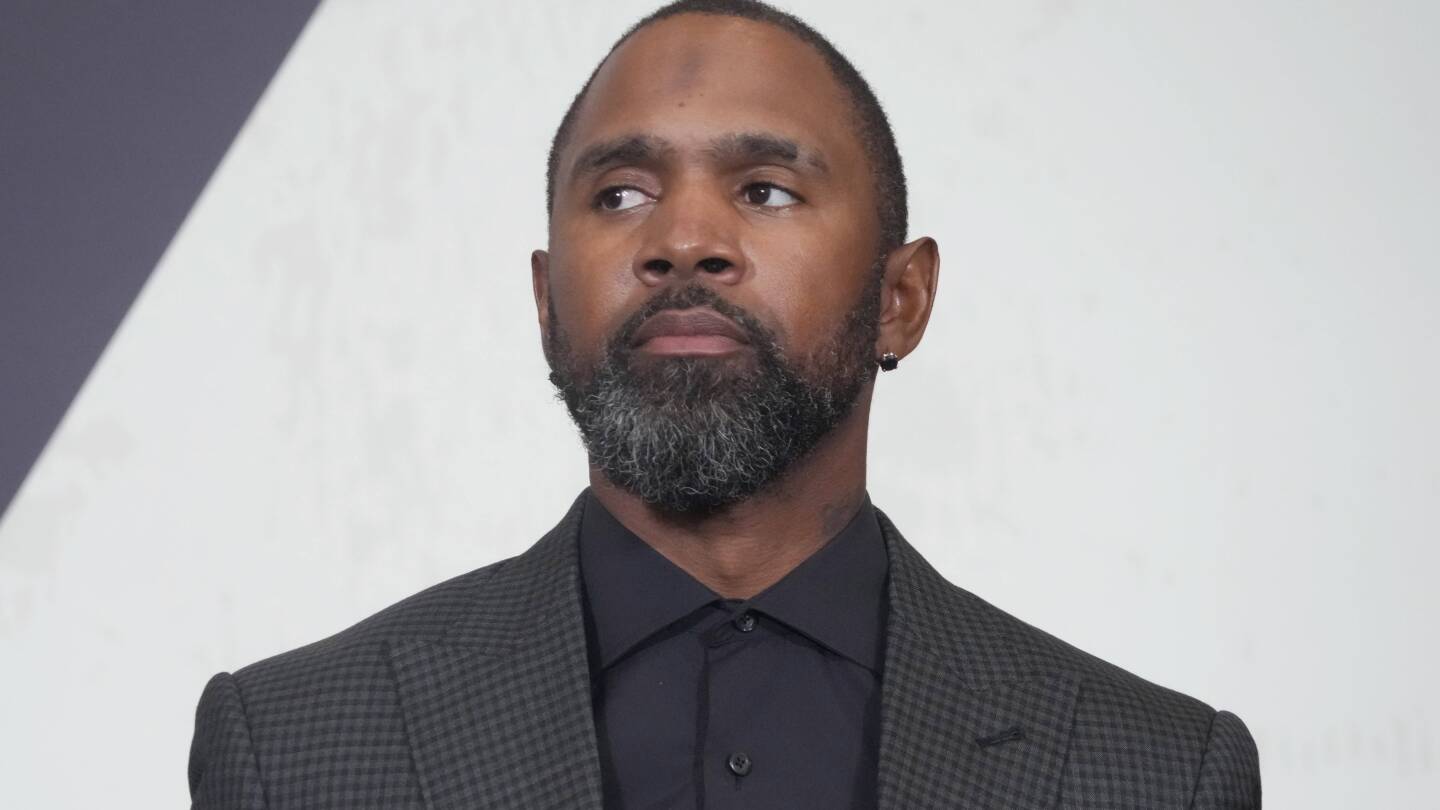
More Than Just a Game: Why Charles Woodson Chose His Liquor Brand Over the Browns' Ownership Box
In a move that has sparked both amusement and serious business discussion, NFL legend Charles Woodson has reportedly decided to maintain ownership of his namesake liquor brand rather than pursuing a minority stake in the Cleveland Browns. This revelation, laced with the playful jab that he might have “needed to drink on most Sundays” as a Browns owner, underscores a deeper narrative about personal brand, conflicting interests, and the evolving landscape of athlete entrepreneurship.
The Allure of Ownership vs. The Strength of a Personal Brand
For many former athletes, transitioning into sports ownership represents the ultimate post-career aspiration – a chance to stay connected to the game at the highest level. The allure of owning a piece of an NFL franchise, with its immense prestige and lucrative potential, is undeniable. Yet, Woodson's decision suggests that the value of his personal brand, encapsulated by his successful liquor venture, outweighed the traditional appeal of team ownership.
Woodson, a Hall of Famer with a Super Bowl ring and a Heisman Trophy, launched his Intercept Wines brand in 2019. It's a venture intrinsically tied to his identity and vision. Divesting from such a personal project to comply with NFL ownership regulations – which often prohibit owners from having direct conflicts of interest, especially with entities that might compete with league sponsors or tarnish the league's image – would have been a significant sacrifice. For Woodson, his name isn't just on the label; it is the brand.
Navigating NFL Regulations and Conflicts of Interest
The National Football League maintains stringent rules regarding who can own a team and what other business interests they can hold. These regulations are designed to protect the league's integrity, brand partnerships, and competitive balance. A significant stake in a liquor company could easily be perceived as a conflict, especially given the league's extensive sponsorships with various beverage brands. Woodson's choice highlights the often-invisible hurdles that athlete-entrepreneurs face when contemplating investments in professional sports.
This isn't merely about personal preference; it's a calculated business decision. The financial and personal investment in building his brand from the ground up likely represents a more direct and controllable asset for Woodson. Losing autonomy over a flourishing business for a minority stake in an NFL team, with its complex ownership structures and often limited direct influence, might not have presented the most compelling return on investment or personal fulfillment.
The Browns Factor: A Humorous Undercurrent
The quip about needing a drink on Sundays as a Browns owner adds a humorous, yet poignant, layer to the story. The Cleveland Browns have historically struggled, often testing the patience of their loyal fanbase. While surely not the primary driver of Woodson's decision, the playful suggestion underscores the emotional toll and public scrutiny that comes with owning a perpetually challenged franchise. Perhaps, in some small way, the peace of mind offered by focusing on a personal passion project, free from the weekly anxieties of NFL performance, held its own appeal.
Future Implications for Athlete Entrepreneurs
Woodson's decision serves as a significant case study for other athletes looking to parlay their fame into successful business ventures. It raises critical questions:
- Personal Brand vs. Institutional Investment: How do athletes weigh the value of building and maintaining a deeply personal brand against investing in established, but potentially restrictive, institutions?
- NFL's Evolving Stance: Will the NFL adapt its ownership rules to accommodate the growing trend of athlete-entrepreneurs with diverse business portfolios?
- Defining Conflict: Where does the league draw the line on what constitutes a conflict of interest, especially as more athletes develop sophisticated business empires?
In an era where athletes are increasingly empowered to control their narratives and financial futures, Charles Woodson's choice is a powerful statement. It signals a shift where the creation and preservation of one's own entrepreneurial legacy can be just as, if not more, compelling than stepping into the traditional power structures of sports ownership. For Woodson, it seems, owning his name and his craft took precedence over owning a piece of the game itself.