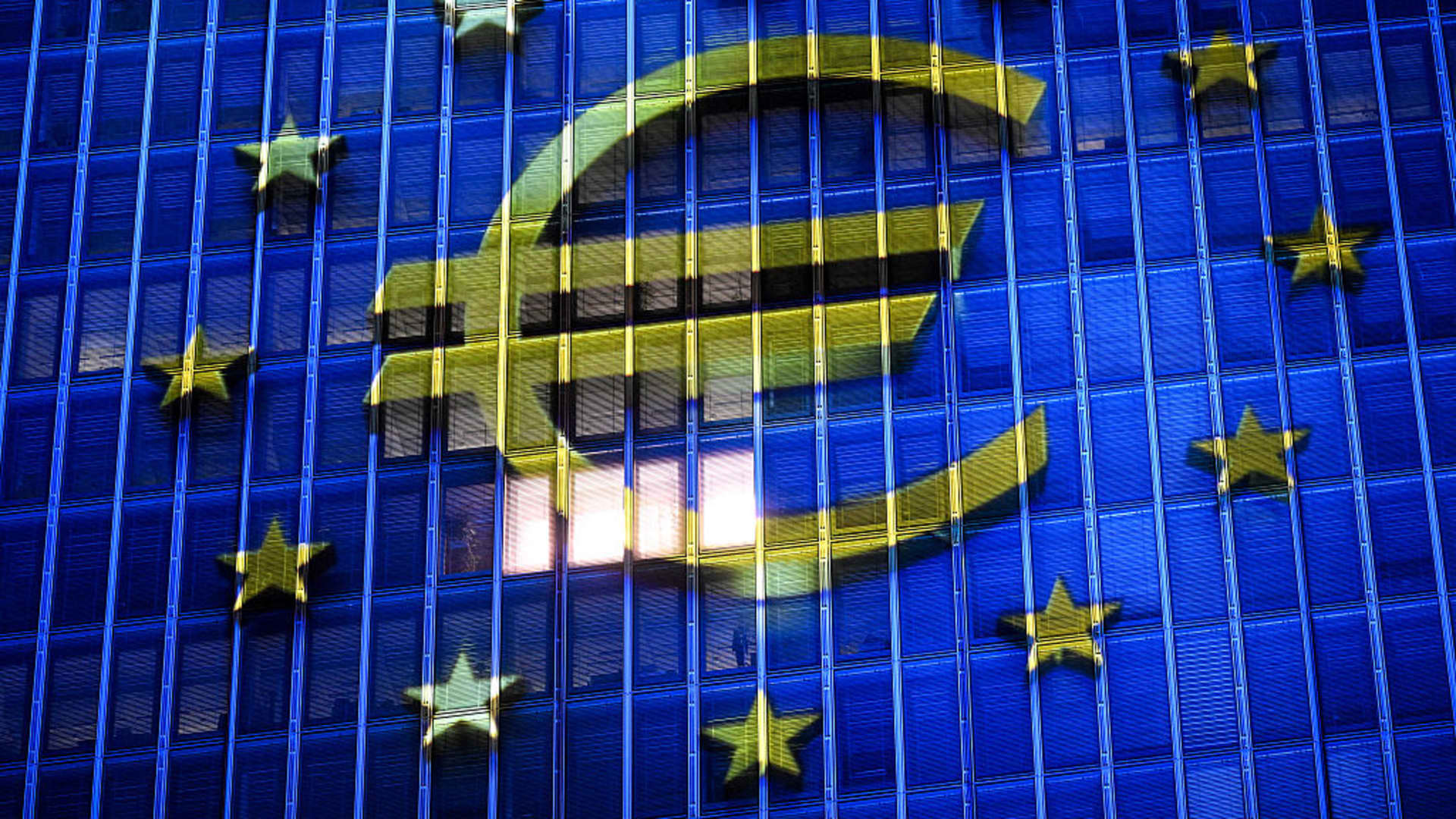
The European Central Bank's recent decision to maintain its benchmark interest rates might, on the surface, appear to be a mere continuation of policy – a 'non-event' in the fast-paced world of financial news. However, a deeper dive reveals that this apparent inaction is, in fact, a highly calculated move, pregnant with implications for the Eurozone's economic future. Economists and market analysts are quick to caution against dismissing this holding pattern, emphasizing that the central bank's current stance reflects a delicate balance and a vigilant eye on evolving economic conditions.
The Apparent Calm: Why "No Change" Isn't Always Insignificant
Many might view a decision to hold rates as a sign of stability, or perhaps even inertia. In a climate where aggressive rate hikes have dominated headlines for months, a pause could be interpreted as the ECB simply taking a breather. This perspective, however, overlooks the nuanced environment the central bank operates within. Every meeting, every decision – or non-decision – sends signals, shapes expectations, and influences market behavior. The absence of a rate change doesn't mean the absence of intent or strategy.
Economists' Dissection: Beneath the Surface of Stability
It's within this context that economists are vocalizing their analysis, asserting that the ECB's latest move is anything but trivial. Their collective interpretation points to a central bank that is currently comfortable with the prevailing inflation rate, yet simultaneously on high alert for specific economic shifts. This comfort is precarious, a temporary equilibrium achieved after a period of aggressive tightening.
Inflation's Tightrope Walk
The ECB's primary mandate is price stability, and bringing down stubbornly high inflation has been its paramount concern. While recent data might show inflation cooling from its peaks, it's still often above target. The decision to hold rates suggests that the ECB believes its previous actions are still working their way through the economy, and that further immediate tightening could risk stifling nascent growth. This comfort, however, is not a declaration of victory but rather a recognition of the current trajectory, a belief that the prevailing rate levels are appropriate for now to guide inflation back to the 2% target without causing undue economic strain.
The Disinflation Watch
Crucially, economists are highlighting the ECB's intense focus on "disinflation" – the slowing rate of inflation. They are not merely observing headline figures but scrutinizing underlying trends, core inflation, wage growth, and service sector prices for definitive signs that the inflationary pressures are sustainably receding. This period of holding rates serves as a crucial observation window. Any sustained indication of disinflationary forces gathering strength could pave the way for future rate cuts, while persistent stickiness in inflation could necessitate a resumption of tightening. The central bank is essentially waiting for robust, undeniable proof that the beast of inflation is truly tamed before contemplating any pivot.
Future Implications: Navigating the Eurozone's Economic Horizon
For businesses and consumers across the Eurozone, the ECB's calculated pause carries significant weight. For businesses, borrowing costs remain elevated, impacting investment decisions and expansion plans. Yet, the stability offers a degree of predictability, allowing for better financial planning compared to a period of continuous rate hikes. For consumers, mortgage rates and loan costs are likely to remain high, but the signal of "comfort for now" might prevent further immediate increases. The decision underscores the ECB's commitment to its inflation target, signaling that it will not hesitate to act should the data diverge from its projections. The market will now be hyper-focused on upcoming inflation reports, wage negotiations, and economic growth data, dissecting every piece of information for clues about the timing and direction of the ECB's next move. This isn't a period of rest, but rather one of intense data dependency, where every economic indicator will be weighed heavily.
Conclusion: A Deliberate Stand in Uncertain Times
The European Central Bank's decision to hold interest rates, rather than being a non-event, is a nuanced, deliberate strategic move. It reflects a central bank confident in the current impact of its monetary policy but acutely aware of the ongoing battle against inflation and the need for sustained disinflation. As economists aptly point out, the true significance lies not in the absence of action, but in the specific rationale and the vigilant stance it signals. The Eurozone now finds itself in a critical monitoring phase, where the path forward will be dictated by the relentless flow of economic data, keeping everyone from Frankfurt to individual households on edge.