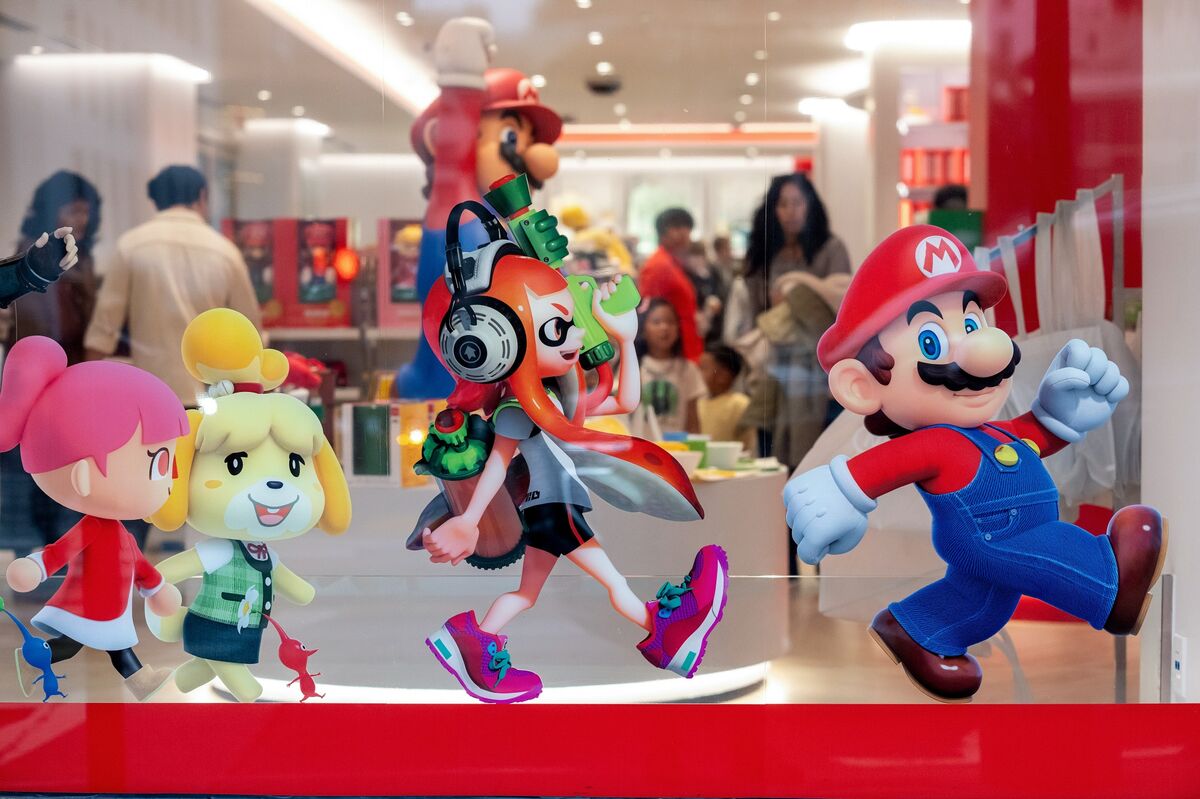
Nintendo Co.'s shares recently experienced their steepest decline in 18 months, plummeting 10% after the company reported disappointing earnings. While immediate investor concern naturally gravitated towards the current fiscal performance, a deeper dive into the report reveals a more insidious threat: a significant hit to profit margins, compounded by growing apprehension over soaring memory chip prices projected for 2026. This confluence of present underperformance and future cost pressures positions the gaming titan at a critical strategic juncture.
The Immediate Aftershock: Disappointing Earnings and Margin Erosion
The market reaction to Nintendo's latest earnings report was swift and severe. Investors, accustomed to the consistent performance fueled by the hybrid success of the Switch console, were caught off guard by figures that fell short of expectations. While specific sales numbers for flagship titles or hardware might have varied, the overarching theme was one of deceleration and increased operational friction. This slowdown comes as the Switch enters its seventh year on the market, an exceptionally long lifecycle for a console, raising questions about market saturation and the need for new hardware.
A Big Hit to Profit Margins
Perhaps more concerning than the top-line revenue figures was the explicit mention of a 'big hit to margins.' This indicates that even where sales were achieved, the profitability per unit sold or service rendered was significantly reduced. Several factors could contribute to this erosion: rising production costs for existing hardware (components, logistics, labor), increased investment in research and development for future projects, or even aggressive pricing strategies to maintain market share against newer rivals. Whatever the cause, a shrinking margin curtails a company's ability to reinvest, innovate, and weather future economic headwinds.
The 2026 Horizon: A Memory Chip Minefield
While current earnings grab headlines, the subtle yet potent undercurrent of concern about 'soaring memory chip prices in 2026' represents a much larger, structural challenge for Nintendo. The tech industry operates on long lead times, and the specter of future component costs can significantly influence long-term planning and product roadmaps.
Why Memory Chips Matter Critically to Gaming Consoles
Memory chips, specifically DRAM (Dynamic Random-Access Memory) and NAND flash (Non-Volatile Flash Memory), are the lifeblood of modern gaming consoles. DRAM serves as the system's primary working memory, crucial for loading games and processing complex graphics, while NAND flash provides the internal storage for games, operating systems, and user data. Any significant increase in the cost of these components directly impacts the bill of materials (BOM) for manufacturing a console. With the console industry often operating on thin hardware margins, particularly early in a console's lifecycle, a substantial rise in chip prices can either force manufacturers to absorb the costs (further eroding profits) or pass them on to consumers (potentially dampening sales).
The Next Console Cycle and Cost Pressures
The year 2026 is particularly salient as it aligns with typical generational console cycles. While Nintendo has been remarkably successful in extending the Switch's relevance, a successor console is an inevitable eventuality. Developing new, more powerful hardware demands cutting-edge components, and if memory chip prices are indeed skyrocketing by then, Nintendo faces a difficult choice. They could launch a next-generation console with potentially higher retail prices, risking alienating budget-conscious consumers, or attempt to maintain a competitive price point by taking a larger loss on each unit sold. Both scenarios present significant business challenges.
Nintendo's Strategic Crossroads
Nintendo is no stranger to navigating market shifts. Their history is punctuated by periods of innovation and resilience. However, the current landscape demands a particularly agile and foresightful strategy.
Diversification and Software Dominance
A key strength for Nintendo lies in its unparalleled intellectual property (IP). Franchises like Mario, Zelda, and Pokémon are evergreen cash cows. The company has increasingly diversified into mobile gaming, animated films, and theme park attractions, leveraging these beloved characters. Continued emphasis on high-margin software sales, digital distribution, and expanding these non-console ventures could help offset potential hardware profitability challenges.
R&D and Supply Chain Resilience
Aggressive investment in R&D is crucial, not just for innovative gameplay but also for optimizing hardware design to minimize component costs where possible. Furthermore, building robust and diversified supply chains for critical components like memory chips will be paramount. Securing long-term supply agreements or exploring alternative chip technologies could mitigate the impact of future price volatility.
Investor Outlook and Industry Implications
The recent stock plunge signals a recalibration of investor expectations. While Nintendo's long-term fundamentals remain strong, the market is clearly anticipating a tougher road ahead. This isn't just a Nintendo problem; the entire tech and gaming industries are susceptible to global semiconductor supply and pricing dynamics. How Nintendo, a company with immense cultural capital and a history of disruptive innovation, navigates these dual challenges of immediate margin pressure and looming component costs will be a case study in corporate resilience and strategic foresight.
In conclusion, while the 10% stock dip is an immediate concern, the underlying issues of margin erosion and the ominous forecast for memory chip prices in 2026 paint a more complex picture. Nintendo's ability to innovate, diversify, and strategically manage its supply chain will determine if it can continue its golden era or face an unprecedented squeeze on its core business.