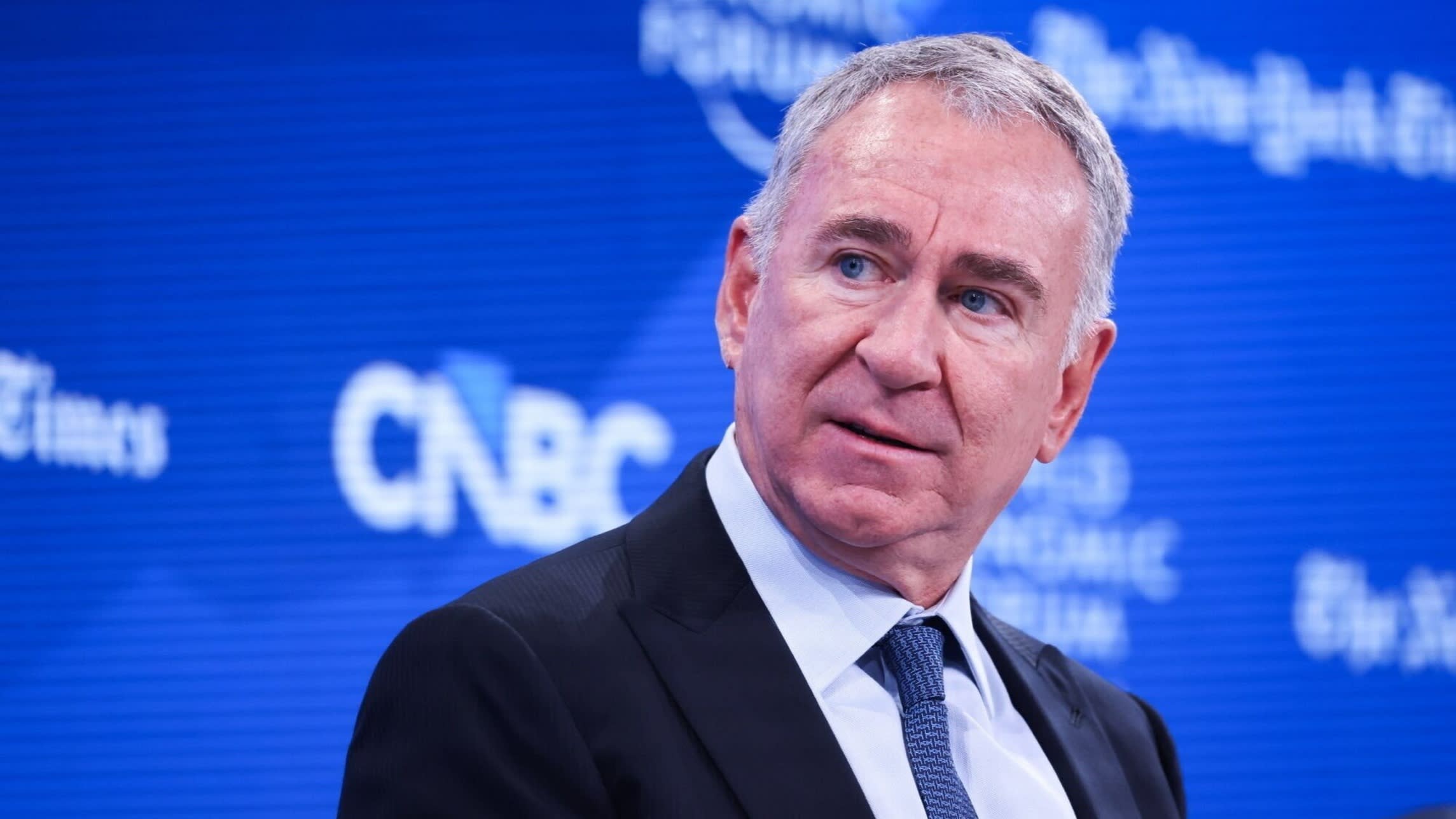
A Republican Reckoning? Ken Griffin's Scathing Critique of Trump's 'Family Enrichment' Rocks Wall Street
By NovaPress Editorial Board
In a rare and potentially seismic shift within the conservative power landscape, Ken Griffin, the influential billionaire founder of Citadel and a major Republican donor, has publicly leveled sharp criticism against the Trump White House. His pointed remarks, highlighted by the Financial Times, accuse the previous administration of 'enriching' family members through 'perceived administration self-dealing,' sending ripples across both Wall Street and Washington D.C.
The Unprecedented Weight of Griffin's Words
Griffin is not just another donor; he is a titan of finance, a significant philanthropic figure, and a steadfast pillar of the Republican funding apparatus. His public dissent carries a weight that few others could command. For a figure of his stature to openly criticize what he perceives as a lack of ethical boundaries and self-serving actions within a Republican White House is highly unusual and indicative of a growing unease among segments of the party's donor class.
The description of 'enriching family members' and 'self-dealing' directly echoes long-standing criticisms leveled against the Trump administration regarding its blend of business interests with presidential duties. Throughout his term, Donald Trump faced scrutiny over the ongoing operations of his businesses, the roles and financial activities of his children (most notably Ivanka Trump and Jared Kushner), and the potential for conflicts of interest stemming from foreign dignitaries patronizing Trump properties.
Context: A Pattern of Accusation
The allegations from Griffin are not entirely new in their nature but gain immense significance from their source. From the moment Donald Trump took office, questions arose about the Emoluments Clause of the U.S. Constitution and how his global business empire would interact with his presidential responsibilities. Critics consistently pointed to instances where foreign governments and special interest groups spent money at Trump-owned hotels and golf courses, leading to accusations that he and his family were personally benefiting from his position.
While the Trump administration consistently denied any wrongdoing, asserting that they had taken appropriate measures to separate private business from public service, Griffin's statement indicates that these explanations were not sufficient for some key allies. His criticism suggests a perception that the lines between the public trust and private gain were, at best, blurred, and at worst, intentionally crossed.
Future Implications: A Crack in the Republican Wall?
Griffin's remarks could signal a critical turning point for the Republican Party. With the next presidential election cycle already looming, such a high-profile defection from a major donor could:
- Impact Funding: Encourage other wary donors to reconsider their financial support for candidates associated with similar ethical concerns.
- Shift Party Dynamics: Empower more moderate or establishment wings of the Republican Party to push back against populist figures whose ethics might be seen as questionable.
- Fuel Opposition Narratives: Provide potent ammunition for Democratic campaigns, validating their own long-held criticisms of the previous administration's conduct.
- Influence Primary Races: Potentially embolden challengers in Republican primaries who seek to distance themselves from Trump-era controversies and offer a more traditional vision of conservative governance.
For Donald Trump himself, Griffin's direct condemnation adds another layer of ethical scrutiny to his legacy and any future political ambitions. It brings an internal, credible voice to the chorus of critics, making it harder for his supporters to simply dismiss the accusations as politically motivated attacks from the left.
The Erosion of Trust and the Path Forward
Beyond the immediate political ramifications, Griffin's criticism highlights broader concerns about the erosion of public trust in government and the ethical standards expected of those in the highest offices. When a prominent financial leader, operating within a system that often prioritizes economic growth, raises alarm bells about self-dealing, it underscores a fundamental concern about the integrity of the democratic process itself.
The coming months will reveal whether Griffin's comments are an isolated but loud dissenting voice, or if they represent the vanguard of a broader movement within conservative circles to demand higher ethical standards and clearer boundaries between personal profit and public service. For NovaPress, this development warrants continuous monitoring, as it could reshape the political and economic landscapes for years to come.