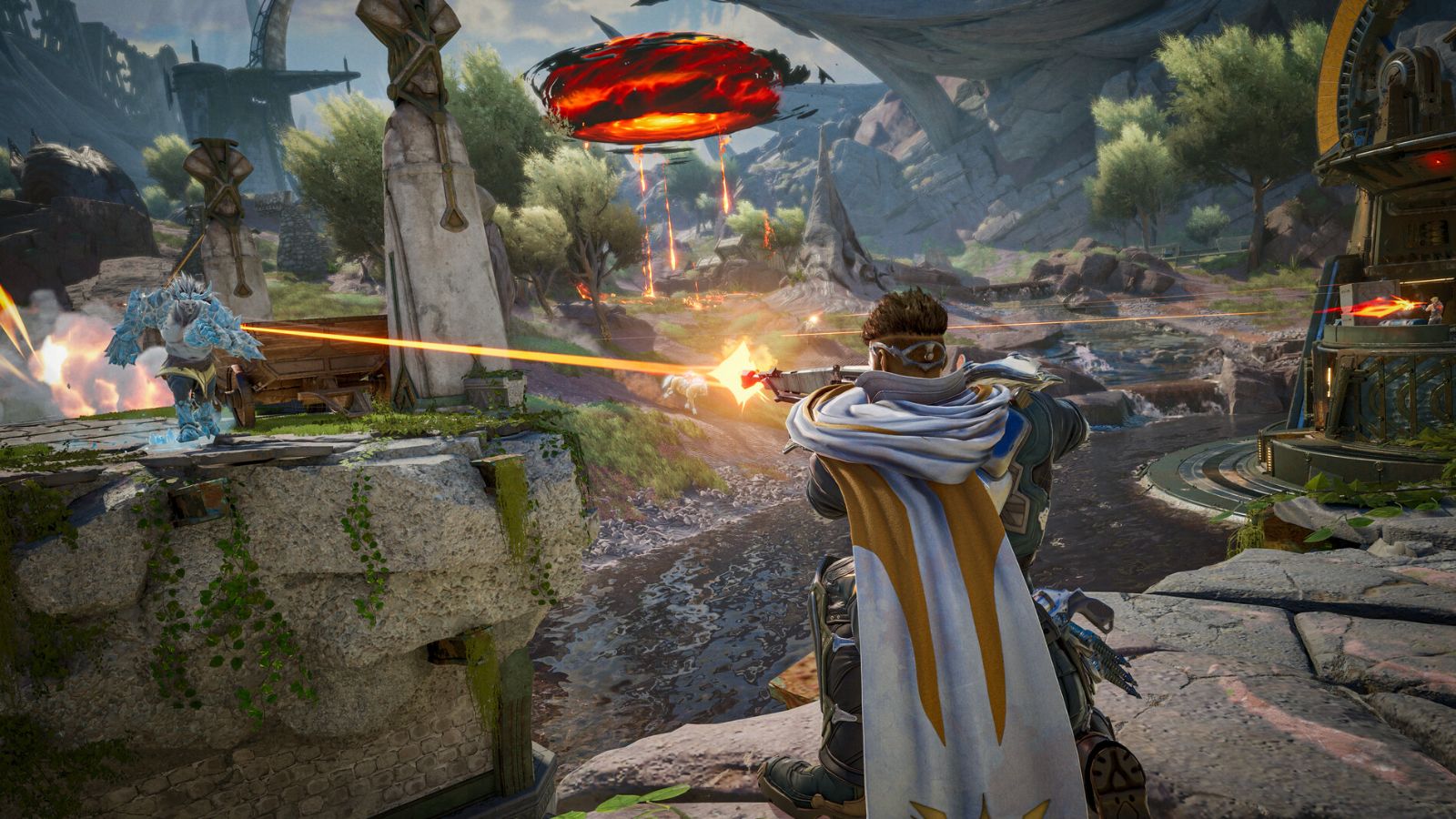
The gaming industry is a battlefield of metrics, where player counts, concurrent users, and daily active engagement often dictate a game's perceived success and financial viability. In this high-stakes environment, a recent declaration by Chad Grenier, game director for the upcoming title Highguard from Wildlight Entertainment, cuts through the noise with startling clarity: player count “doesn’t matter,” so long as “fans love the game.” This bold statement, made in an interview with Polygon, isn't just a soundbite; it’s a philosophical gauntlet thrown down, challenging the very foundations of how we measure a game's triumph in the modern era.
The Industry's Obsession with Numbers
For years, the gaming landscape has been dominated by the live-service model, a paradigm where continuous engagement and ever-growing user bases are paramount. Publishers and investors scrutinize dashboards, seeking upward trends in numbers that translate directly into revenue streams from battle passes, cosmetic sales, and subscriptions. From AAA giants to indie darlings, the pressure to attract and retain millions of players is immense, often leading to development cycles focused on broad appeal and monetization strategies rather than deep, niche engagement. In this context, Grenier's assertion feels almost heretical. Why would a developer actively downplay the significance of sheer volume when the industry machine is built to maximize it?
Grenier's Counter-Narrative: The Power of "Love"
Grenier's philosophy, it appears, pivots away from quantitative dominance towards qualitative satisfaction. His focus on "love" implies a commitment to crafting an experience so compelling and rewarding that those who do engage become deeply invested. This could manifest in several ways:
- Niche Appeal: Highguard might be designed for a specific audience, prioritizing depth and complexity over accessibility. This strategy, while limiting mass appeal, often cultivates intensely loyal communities.
- Community-Centric Development: If player love is the ultimate metric, then direct feedback, community events, and responsive development become paramount. It suggests an iterative process heavily influenced by the core player base, fostering a sense of ownership and dedication.
- Sustainable Development: Breaking free from the relentless pursuit of growth might allow Wildlight to avoid crunch culture driven by aggressive release schedules or feature demands for a fleeting mass audience. It could enable a more measured, thoughtful development process.
- Financial Viability: While seemingly counter-intuitive, a highly engaged, smaller player base can still be financially successful through sustained spending per user, rather than relying on a small percentage of a vast player base to monetize. Think of games like EVE Online or certain high-end simulator communities.
Future Implications for Highguard and Beyond
The implications of Grenier's stance for Highguard are profound. It suggests a game designed for longevity through passion, not population. We might expect a title with unique mechanics, deep lore, and a strong identity that resonates powerfully with its target demographic. This approach could lead to a highly stable, albeit smaller, player base that becomes a vocal advocate for the game.
For the wider industry, Grenier's statement is a provocative challenge. Will other developers and publishers dare to de-emphasize player count in favor of player passion? In an era where "player retention" often means endless content grind, a focus on "player love" could usher in a new wave of genuinely engaging, well-supported games that prioritize quality of experience over quantity of users. However, convincing investors and stakeholders that a smaller, happier player base is a better bet than a vast, potentially less engaged one remains a significant hurdle. Grenier's gamble with Highguard could become a case study in alternative success models – or a cautionary tale if the numbers simply don't add up for Wildlight Entertainment.
Conclusion: Redefining Success
Chad Grenier's assertion that player count “doesn’t matter” is more than a casual remark; it's a potential manifesto for a different kind of game development. In a world saturated with games vying for every pair of eyeballs, Highguard is positioning itself to win hearts. Whether this radical philosophy can translate into commercial success while inspiring profound player love will be one of the most compelling narratives in gaming to watch unfold. If it succeeds, it might just force the industry to rethink its obsession with pure numbers and instead, focus on the invaluable metric of genuine player adoration.