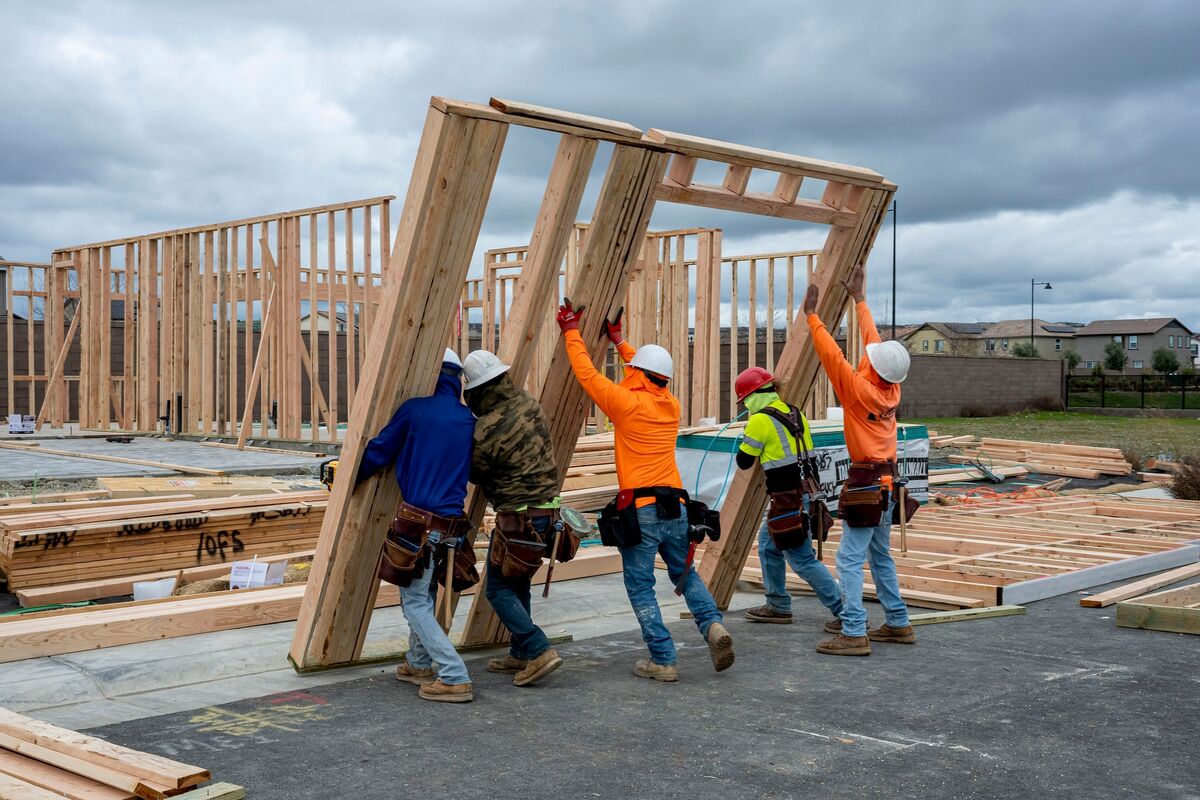
The 'Trump Homes' Initiative: A Million Houses, Billions in Capital, and the Future of US Affordability
America's housing market stands at a critical juncture, grappling with soaring prices, an acute shortage of inventory, and a pervasive affordability crisis that has pushed the dream of homeownership out of reach for millions. Amidst this challenging landscape, a bold and potentially polarizing proposal is emerging from the building sector: a massive, privately funded program to develop "Trump Homes." This ambitious initiative promises to unleash billions in private capital, aiming to construct a million new houses and fundamentally reshape the nation's housing landscape, tackling the affordability challenge head-on.
The Vision: A Million Homes, Private Capital, and Political Branding
At its core, the "Trump Homes" plan, championed by major players like Lennar and other prominent builders, represents an unprecedented effort to address the housing deficit through accelerated private sector involvement. Proponents envision a streamlined process where vast sums of private capital are directed towards large-scale residential developments. The distinctive "Trump Homes" branding isn't merely a marketing strategy; it signals an intent to leverage political alignment and potentially fast-track projects often mired in bureaucratic delays and local opposition.
The underlying appeal for developers and investors is clear: a promise of reduced regulatory burdens, expedited permitting processes, and potentially a more receptive political environment. This approach seeks to bypass the traditional bottlenecks that slow down housing production, offering a blueprint for rapid, large-scale deployment of housing solutions primarily driven by market forces rather than direct government subsidies.
Decoding the Affordability Crisis and the Proposed Solution
The current US housing crisis is a complex issue, characterized by several interconnected factors:
- Supply Shortage: Decades of underbuilding have created a significant national housing deficit, with demand consistently outstripping supply.
- Regulatory Hurdles: Restrictive zoning laws, lengthy and complex permitting processes, and high impact fees at local and state levels inflate construction costs and extend project timelines.
- Material & Labor Costs: Recent supply chain disruptions and persistent shortages of skilled labor have further driven up the expenses associated with new construction.
The "Trump Homes" initiative aims to intervene by:
- Economies of Scale: Building a million homes could unlock significant cost efficiencies in sourcing materials, labor, and standardized construction methods.
- Standardization & Innovation: The program might promote standardized designs or modular construction techniques to speed up delivery and reduce costs.
- Streamlined Approvals: Leveraging its political association, the initiative could seek to drastically cut red tape and accelerate approvals at all levels of government.
- Private Sector Efficiency: Proponents argue that private capital, unburdened by public sector bureaucracy, can deploy resources more agilely and efficiently.
The Role of Private Capital: Billions on the Line
A cornerstone of this plan is its reliance on attracting "many billions of dollars" from private investors. This suggests the potential establishment of specialized investment vehicles, public-private partnerships structured to offer attractive returns, or incentives designed to make large-scale residential development exceptionally lucrative. Investors, while contributing to a societal need, will ultimately be seeking profitable ventures, indicating that the initiative must balance affordability goals with robust financial returns.
The deployment of such vast capital would likely cover various stages of development, from securing vast tracts of land to funding infrastructure improvements and the actual construction of homes. The success of this model hinges on creating an environment where the risk-reward profile for private investment in housing becomes overwhelmingly positive.
Political Implications and Public Reception
The choice to brand this initiative as "Trump Homes" is undeniably a significant and strategic political maneuver. It signals an alignment with an ideology that often champions deregulation, private sector dominance, and a "can-do" approach to large-scale projects. This branding carries both potential advantages and considerable risks.
- Potential Advantages: It could garner swift executive support, potentially bypass entrenched political opposition in sympathetic areas, and serve as a powerful rallying cry for a specific base of supporters.
- Potential Disadvantages: The initiative risks high politicization, alienating segments of the population, inviting intense scrutiny from critics, and facing accusations of favoritism or political opportunism. Environmental groups, advocates for diverse and equitable affordable housing, and local communities concerned about rapid, potentially unchecked development are likely to raise significant objections.
Challenges, Criticisms, and the Path Forward
Despite its ambitious scope, the "Trump Homes" initiative faces numerous hurdles:
- Land Availability: Securing suitable, affordable land for a million new homes across diverse geographical areas presents a monumental logistical challenge.
- Infrastructure: Large-scale developments necessitate substantial investments in new roads, utilities, public transit, schools, and other community services. The question of who bears the cost for this crucial infrastructure remains a complex issue.
- NIMBYism: "Not In My Backyard" sentiments are a persistent and powerful force, capable of delaying or derailing even the most politically backed housing projects.
- True Affordability: A key criticism will center on whether these homes will genuinely address affordability for working and middle-class families, or if they will simply expand the inventory at market rates that remain out of reach for many.
- Long-term Impact: Concerns about urban sprawl, environmental sustainability, and the potential for creating homogenous communities will require careful consideration.
The success of this initiative hinges on more than just political will or private capital; it demands unprecedented coordination across federal, state, and local governments, as well as the building and finance industries. It requires a delicate balance between speed, cost-efficiency, and ensuring that new developments genuinely serve the long-term needs and well-being of communities.
Conclusion
The "Trump Homes" initiative represents an audacious, high-stakes wager on solving America's housing crisis. It embodies a distinct philosophy: leverage private capital, drastically cut regulations, and utilize a powerful brand to deliver results at an unparalleled scale. While promising a potential, albeit controversial, solution to a dire national problem, it simultaneously raises profound questions about equity, environmental sustainability, and the true social and economic costs of such an expedited approach.
As further details of this plan emerge, the nation will be watching closely to discern if this bold and potentially polarizing strategy can deliver on its promise of a million affordable homes, or if it will simply add another complex chapter to the ongoing narrative of housing in America.