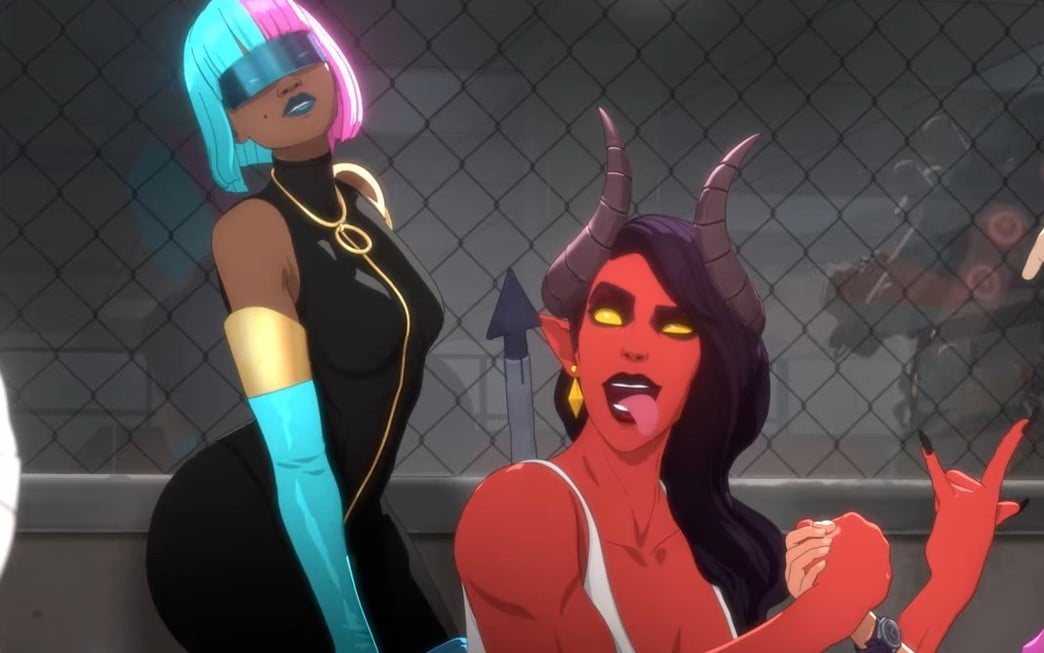
The world of video games is no stranger to controversy, but the recent developments surrounding AdHoc Studio's anticipated superhero workplace comedy, Dispatch, on Nintendo Switch and Switch 2 have sparked a particularly potent discussion. What began with the promise of a unique narrative has quickly devolved into a nuanced debate about content moderation, platform control, and artistic integrity, as reports confirm that an "uncensored physical Switch release" is apparently not possible.
According to Nintendo Life, the definitive word on the matter has been a stark "no comment" regarding why separate SKUs (stock keeping units) for different content versions were not feasible. This silence speaks volumes, igniting speculation across the gaming community about the true reasons behind such a restrictive decision. The core issue revolves around the term "uncensored" – a descriptor that, in the context of modern media, often points to content touching upon mature language, explicit themes, or potentially controversial narrative elements that might clash with a platform holder's specific guidelines or brand image.
The Bifurcation of Digital and Physical
A critical aspect of this controversy lies in the fundamental differences between digital and physical game releases. While digital storefronts on platforms like the Nintendo eShop can sometimes offer more flexibility – allowing for regional variations, age-gating, or even the existence of different content versions simultaneously – physical media operates under a stricter regulatory framework. Physical copies must adhere to the stringent requirements of various international ratings boards (such as ESRB in North America, PEGI in Europe, or CERO in Japan) for distribution across different markets. Any content deemed unsuitable by these boards, or by the console manufacturer itself, can halt a physical release entirely or necessitate significant alterations.
The question of "why separate SKUs were not possible" is particularly vexing. In many instances, games with mature content release both a standard (often censored or toned-down) version for broader retail and an "uncensored" or "collector's edition" for specific regions or direct-to-consumer channels. The inability to do so for Dispatch on the Switch suggests a deeper underlying issue, potentially a non-negotiable stance from Nintendo regarding the content itself, or a logistical complexity deemed insurmountable for a multi-SKU physical release.
Nintendo's Unspoken Stance: Protecting the Brand
While Nintendo has refrained from direct commentary, their history and corporate identity offer considerable context. Nintendo has long cultivated a family-friendly image, positioning its consoles and first-party titles as accessible entertainment for all ages. This brand ethos often influences the content they permit on their platforms, especially for physical releases which have a broader retail presence and are more easily accessible to younger audiences without the digital age-gating mechanisms. The incident with Dispatch suggests that elements within the game's original, uncensored vision might have crossed an internal threshold for Nintendo's content guidelines, particularly concerning a physical product intended for wide distribution.
This isn't necessarily a unique phenomenon. Other platform holders also have content policies, but Nintendo's are often perceived as among the most stringent, particularly when it comes to mature or provocative themes. The decision not to allow an uncensored physical version, even if a digital counterpart might exist, reinforces the power console manufacturers wield over the creative output distributed on their hardware.
Implications for Developers and Players
For independent studios like AdHoc Studio, this situation presents a significant dilemma. Developers pour years of effort and creativity into their projects, often with a specific artistic vision in mind. When platform restrictions necessitate content changes or limit distribution options, it can compromise that vision and impact potential revenue, especially for games that rely on physical editions for collector appeal or wider market penetration. This incident might force other indie developers to pre-emptively self-censor or carefully vet their content against platform guidelines much earlier in the development cycle, potentially stifling creative expression.
From a player's perspective, the inability to access an "uncensored" version on their preferred platform can be frustrating. Gamers who appreciate artistic freedom and want to experience a title as its creators intended might feel disenfranchised, potentially opting for other platforms (PC, PlayStation, Xbox) where content policies might be more lenient or where a developer has more direct control over distribution. It sparks a broader conversation about consumer choice and the availability of diverse content across all gaming ecosystems.
The Future of Content on Nintendo Platforms
The Dispatch controversy serves as a microcosm of larger industry tensions between creative freedom, platform control, and market demands. As Nintendo prepares for the rumored "Switch 2" and continues to evolve its gaming ecosystem, such incidents highlight the ongoing challenge of balancing its established brand identity with the desire to host a wide array of diverse and innovative titles. Will Nintendo adapt its policies to accommodate a broader spectrum of mature content, or will developers of more provocative games increasingly find themselves navigating a complex web of restrictions?
Ultimately, the case of Dispatch is more than just a single game's release hiccup; it's a significant marker in the ongoing dialogue about content curation in the digital age. It forces us to question who ultimately holds the reins of artistic expression in interactive media and what compromises are made along the path from creative vision to consumer console.