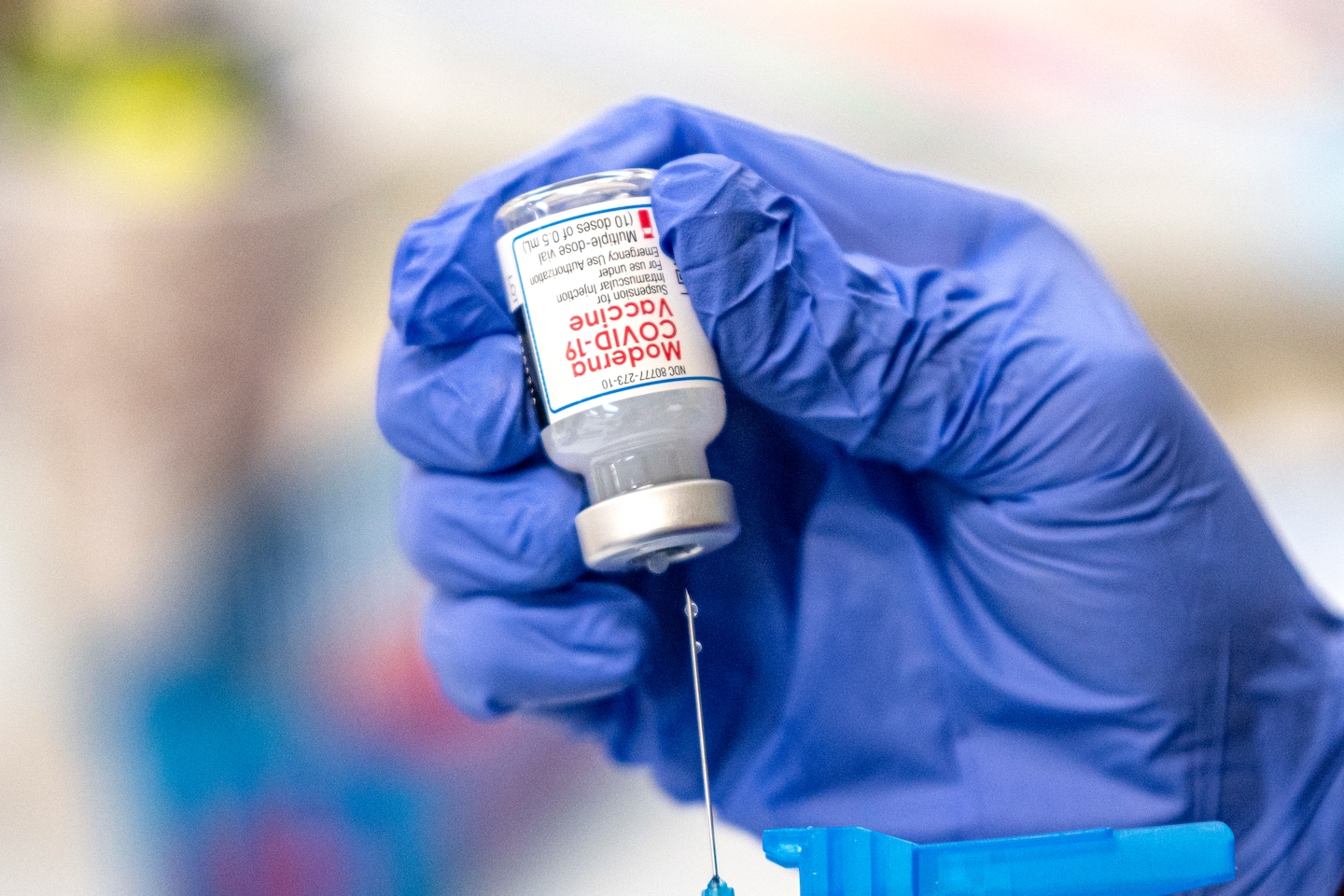
FDA Scrutiny Deepens: Unpacking the Investigation into COVID-19 Vaccine Safety and Approval Processes
The Food and Drug Administration (FDA) has initiated a critical investigation into whether coronavirus vaccines are linked to adult deaths, a move that stems from an internal agency memo alleging at least ten child fatalities post-vaccination. This development casts a spotlight on the meticulous, yet often complex, processes of vaccine safety monitoring and the public health agencies tasked with ensuring trust in medical interventions. While widespread studies have consistently affirmed the general safety profile of COVID-19 vaccines, this new internal inquiry signals a deepening commitment to thoroughness and transparency, potentially leading to significant overhauls in vaccine approval methodologies.
The Genesis of the Investigation: An Internal Allegation
At the heart of the FDA's latest probe is an internal agency memo that reportedly detailed a concerning pattern: the deaths of at least ten children after receiving coronavirus vaccinations. This allegation, though not yet substantiated as causal, has served as a catalyst for a broader inquiry. It underscores the critical role of internal whistleblowers and data flagging systems within regulatory bodies, designed to ensure that even rare or potential adverse events are not overlooked, regardless of prevailing scientific consensus.
It's crucial to understand the context here. The global rollout of COVID-19 vaccines was an unprecedented scientific and logistical achievement, delivering protection against a novel pathogen at record speed. Throughout this process, agencies like the FDA have maintained robust pharmacovigilance systems, collecting and analyzing vast amounts of data on vaccine recipients. These systems are designed to detect safety signals – statistical associations between a vaccine and an adverse event – which then trigger further investigation to determine if there is a causal link.
Distinguishing Correlation from Causation
A core challenge in vaccine safety monitoring lies in distinguishing between an event that occurs after vaccination (correlation) and an event that is caused by vaccination (causation). In populations numbering in the hundreds of millions, health events, including deaths, will naturally occur for various reasons, some of which may coincide with vaccination simply by chance. The FDA's investigation will involve a painstaking review of individual cases, medical histories, autopsy reports, and epidemiological data to ascertain if there is a scientifically defensible link between the vaccine and the alleged fatalities.
This process is often complex and time-consuming. It involves comparing rates of adverse events in vaccinated populations versus unvaccinated populations, accounting for confounding factors, and seeking biological plausibility. The fact that the investigation now extends to adult deaths suggests that the FDA is taking a comprehensive approach, looking beyond the initial specific allegations to ensure a complete picture of vaccine safety across different age groups.
Implications for Vaccine Approval Processes and Public Trust
The internal memo not only alleged deaths but also cited them as a basis for "overhauling how vaccines are approved." This aspect of the investigation carries significant weight. A potential overhaul could involve several dimensions:
- Enhanced Pre-Market Clinical Trials: Potentially requiring even larger or longer-duration trials for certain populations before emergency use authorization or full approval.
- Accelerated Adverse Event Reporting Systems: Streamlining how potential severe adverse events are reported, reviewed, and acted upon post-market.
- Increased Transparency: A commitment to making more raw data or interim findings accessible to the scientific community and the public, while maintaining patient privacy.
- Review of Regulatory Pathways: Re-evaluating the balance between speed of approval in a public health crisis and the desire for exhaustive long-term data.
Such changes, if implemented, would represent a significant shift in the regulatory landscape for vaccines. While aimed at bolstering safety and public confidence, they could also impact the speed of future vaccine development and deployment, a trade-off that public health officials will need to carefully consider.
Maintaining public trust in vaccines and the institutions that regulate them is paramount. In an era of widespread misinformation, the FDA's transparent approach to investigating even rare or alleged adverse events is crucial. It demonstrates a commitment to scientific integrity and a willingness to scrutinize even successful public health interventions when new data or concerns arise.
Looking Ahead: The Path to Clarity
The investigation is ongoing, and its findings will be critical. It is a testament to the rigorous, iterative nature of science and public health. For the public, it means understanding that an investigation is a process to gather facts, not an immediate verdict of guilt or innocence for the vaccines themselves. The ultimate goal is to ensure that all medical products are safe and effective, and that regulatory bodies operate with the highest degree of diligence and transparency.
NovaPress will continue to monitor this developing story, providing updates as the FDA's investigation progresses and new, verified information becomes available. The insights gained from this inquiry will undoubtedly shape not just the future of COVID-19 vaccine policy, but potentially the global framework for vaccine safety and approval for years to come.