The Uncanny Valley of Power: Trump's Humor and the Dissonance of a Presidency
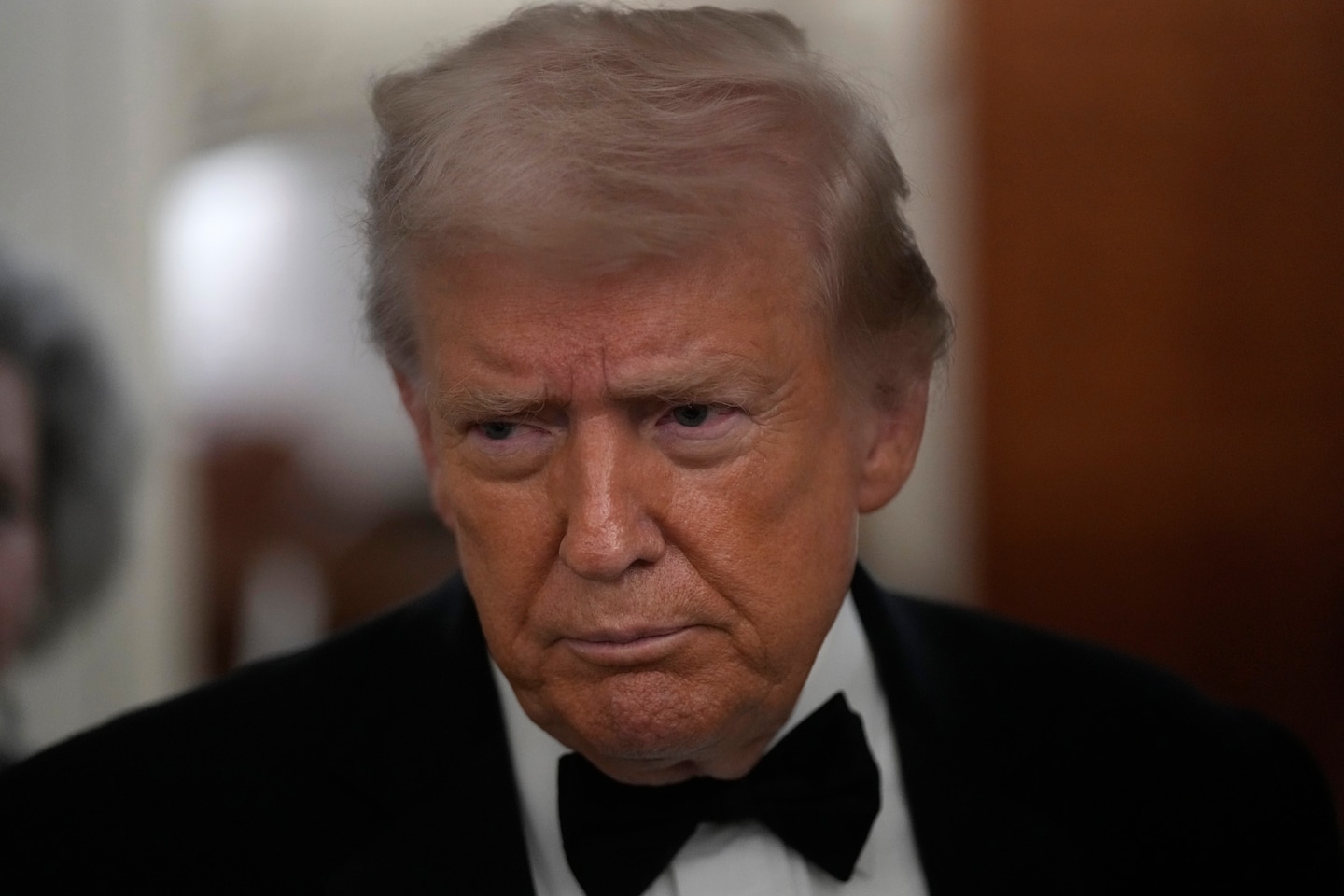
In a presidency frequently characterized by its dramatic departures from conventional norms, President Donald Trump added another jarring chapter to his public persona last Saturday night. Suited in black-tie regalia, he delivered a series of jokes to a formal audience, even remarking on "people I hate." This scene, intended perhaps to lighten the mood or project a sense of normalcy, unfolded against a backdrop of intensified national and international turmoil, painting a vivid picture of the profound disjunction between the performance of power and its often grim realities.
A Stage of Stark Contrasts
The black-tie dinner, a traditional setting for political leaders to engage in bipartisan camaraderie and self-deprecating humor, became, in Trump's hands, another theater for his unique brand of confrontational politics. While attempting levity with quips about invading Greenland – a recurring, often-mocked fascination of his administration – the atmosphere was reportedly met with "some silence." This lukewarm reception was perhaps unsurprising, given the week's preceding events that had cast a long, dark shadow over the nation.
The Unfolding Crisis: Beneath the Surface of Jest
Just days prior to this attempt at humor, the Trump administration had been embroiled in a series of highly contentious actions. A prominent journalist found themselves under arrest, a move that sent shivers down the spine of press freedom advocates globally. Simultaneously, in a dramatic escalation of electoral disputes, the government invoked false claims of fraud to seize ballots in Georgia, an unprecedented intervention that challenged the integrity of democratic processes. Adding to the gravity, the administration had also publicly defended the shooting death of individuals under circumstances that sparked widespread outrage and demands for accountability.
These domestic controversies were further amplified by mass immigration protests sweeping across the nation, highlighting deep societal divisions and humanitarian concerns at the border. The collective weight of these events — the curtailment of press freedoms, challenges to democratic elections, contentious use of force, and widespread public dissent — formed a stark counterpoint to the President's attempts at comedic relief.
The Semiotics of Silence: What Laughter (or its Absence) Reveals
The reported "silence" that met some of Trump's jokes is more than a mere anecdote; it's a potent symbol of a growing disconnect. It suggests a chasm between the President's perception of his audience and the public mood, or perhaps a deliberate choice by attendees to withhold affirmation from humor perceived as tone-deaf or incongruous with the pressing issues at hand. Political humor often serves as a barometer of the national psyche, and in this instance, the silence spoke volumes about the public's unease and the solemnity demanded by the circumstances.
His remark about "people I hate" further underscores this unique approach. Rather than employing the unifying, self-deprecating wit typical of such events, Trump often uses these platforms to reiterate grievances and reinforce partisan divides, even among a black-tie gathering. This consistent adversarial stance, even in moments traditionally reserved for diplomacy or lightheartedness, is a defining characteristic of his political brand, complicating efforts towards national cohesion.
Future Implications: The Enduring Impact of Dissonance
The constant juxtaposition of high-stakes governmental actions with seemingly flippant public performances has several enduring implications. It risks desensitizing the public to serious policy matters, blurring the lines between governance and entertainment. It also fuels a sense of instability, as the leader of the free world appears to operate on a different wavelength than the crises his administration is managing. For the media, it presents an ongoing challenge: how to report on both the spectacle and the substance without one overshadowing the other.
Ultimately, this presidency, marked by its jarring contrasts, forces a re-evaluation of leadership itself. What is the role of the President? Is it to reassure, to unify, or to provoke? Trump's tenure suggests a radical redefinition, where the performance is as central as the policy, and where the dissonance itself becomes a core feature rather than an anomaly.
Conclusion
The image of a President in black-tie, attempting humor while his administration navigates profound controversies, encapsulates the intricate and often contradictory narrative of his time in office. The "silence" at the dinner was not merely an absence of laughter; it was perhaps a collective pause, a reflection of a nation grappling with the relentless tension between political spectacle and the grave responsibilities of leadership. As "NovaPress" continues to analyze these phenomena, we observe a political landscape irrevocably reshaped by this unique blend of governance and performance.