A Return to Tradition? Kevin Warsh's Potential Fed Chairmanship and the Future of Monetary Policy
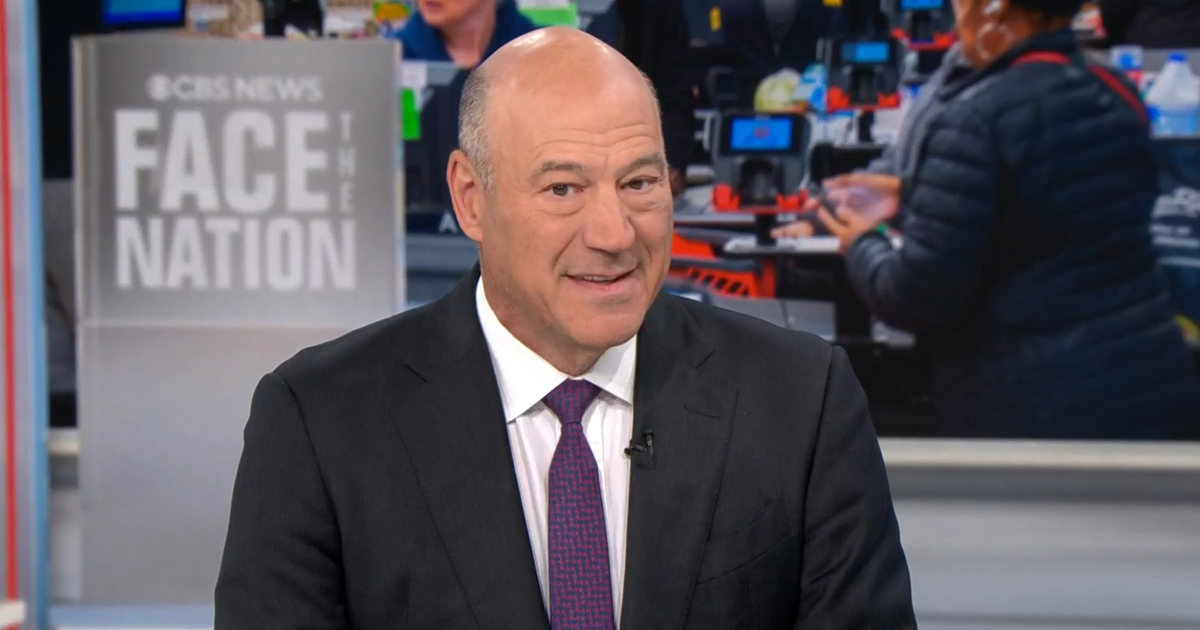
The potential nomination of Kevin Warsh to chair the Federal Reserve Board has sent ripples through financial circles, amplified by a notable endorsement from IBM Vice Chairman and former Trump economic official, Gary Cohn. Cohn, speaking Sunday, hailed Warsh as "very highly qualified" and, more significantly, stated that Warsh would "take the Fed back to its traditional norms." This assertion, coming from a figure intimately familiar with both Trump's economic philosophy and the inner workings of high finance, suggests a profound shift in the direction of the world's most powerful central bank.
Who is Kevin Warsh? A Profile in Policy
Kevin Warsh is no stranger to the Federal Reserve. He previously served as a member of the Federal Reserve Board of Governors from 2006 to 2011, making him one of the youngest individuals ever appointed to the position. During his tenure, he played a key role in the Fed's response to the 2008 financial crisis, working closely with then-Chairman Ben Bernanke. Post-Fed, Warsh moved into academia and served as an economic advisor to various political figures. His economic philosophy is often characterized as more conservative, advocating for a clearer, more predictable monetary policy and a less interventionist approach than the Fed has sometimes adopted in recent decades.
Unpacking "Traditional Norms"
Cohn's phrase "take the Fed back to its traditional norms" is loaded with implications. For many, this suggests a departure from the extraordinary monetary policies that dominated the post-2008 era – namely, protracted periods of near-zero interest rates and massive quantitative easing (QE). Traditional Fed policy, broadly speaking, emphasized:
- Inflation Targeting: A clear, symmetrical focus on maintaining price stability.
- Interest Rate Management: Primary use of the federal funds rate as the key lever for monetary policy, with less reliance on unconventional tools.
- Fiscal Prudence: A more circumspect view of the Fed's role in supporting fiscal policy, emphasizing its independence.
- Predictability and Transparency: Clear communication to guide market expectations, but perhaps a less 'activist' stance.
Implications for the Economy and Markets
The shift implied by Cohn's comments could have profound effects:
- Interest Rates: A more traditional Fed might be more inclined to raise interest rates, or to raise them more quickly, to preempt inflationary pressures. This would impact everything from mortgage rates to corporate borrowing costs.
- Financial Markets: Bond markets might react to the prospect of higher rates, potentially leading to increased yields. Stock markets, accustomed to a low-rate environment, could face headwinds as borrowing becomes more expensive and growth expectations adjust.
- Inflation vs. Growth: A Fed focused on traditional inflation targeting might tolerate slower growth if it means keeping prices stable, potentially diverging from the dual mandate's emphasis on maximum employment.
- Global Impact: As the world's most influential central bank, a shift in Fed policy under Warsh would ripple globally, affecting currency exchange rates, capital flows, and international trade.
Gary Cohn's Endorsement: A Strategic Signal?
Gary Cohn's enthusiastic endorsement is more than just an opinion; it's a signal. As a former chief economic advisor to President Trump, Cohn understands the administration's economic priorities and its desire for a Federal Reserve that aligns with its vision – even while maintaining independence. His emphasis on Warsh's "traditional" approach might subtly underscore a desire for less unpredictability and more discipline from the Fed, a sentiment often echoed by conservative economic thinkers.
Challenges Ahead
Should Kevin Warsh take the helm, he would face a complex economic landscape. Navigating global trade tensions, potential inflationary pressures, and ensuring sustained domestic growth while re-establishing "traditional norms" would be a delicate balancing act. The transition from an era of unconventional monetary policy to a more conventional one is fraught with challenges, requiring deft communication and strategic execution.
In essence, Gary Cohn's comments suggest that Kevin Warsh's potential chairmanship isn't just a personnel change; it could mark a significant philosophical pivot for the Federal Reserve. It's a move that promises to redefine the central bank's role in the American economy, potentially ushering in an era of tighter money, increased market scrutiny, and a return to what some see as the foundational principles of sound monetary policy. The world will be watching closely.