Countdown to Lunar Dawn: Artemis 2 SLS Wet Dress Rehearsal Signals New Era in Space Exploration
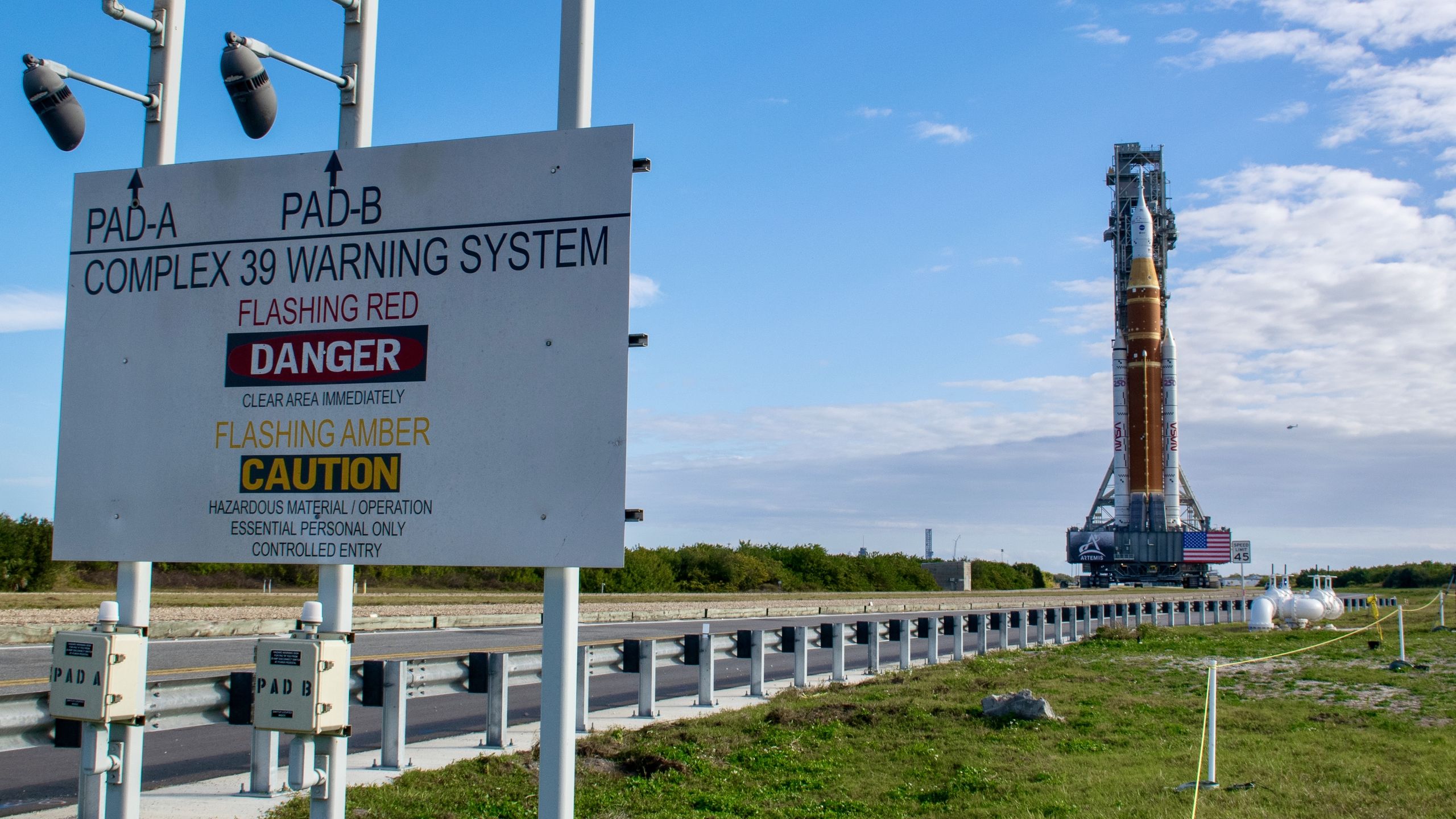
Sunday, February 1, 2026 – The air around NASA's Kennedy Space Center is thick with anticipation and the distant hum of monumental machinery. This morning marks a pivotal moment for humanity's return to the Moon, as NASA officially commenced the countdown for the Space Launch System (SLS) wet dress rehearsal (WDR) for the Artemis 2 mission. This isn't just another test; it is the final, comprehensive exam for the mighty rocket before it carries a crew of astronauts around the lunar surface, setting the stage for an unprecedented era of deep space exploration.
The Crucible of Cryogenics: What is a Wet Dress Rehearsal?
For those unfamiliar with the intricate ballet of rocket science, a wet dress rehearsal is a full simulation of launch day operations, stopping just short of ignition. It involves loading hundreds of thousands of gallons of super-cold, or cryogenic, liquid hydrogen and liquid oxygen propellant into the rocket's core stage and interim cryogenic propulsion stage. Teams practice every step: from the initial call to stations, through the complex fueling procedures, a simulated countdown to T-0, and finally, detanking the propellants.
This meticulous process tests not only the rocket's hardware – its tanks, valves, and engines – but also the intricate ground support systems, the launch pad infrastructure, and crucially, the human element. The launch control team, spread across various control rooms, will run through their procedures under realistic pressure, honing their responses to any potential anomaly. It's an exhaustive, days-long undertaking designed to uncover and address any last-minute issues, ensuring that when the actual launch day arrives, the 시스템 is as robust and ready as possible.
Artemis 2: Bridging the Gap to Permanent Lunar Presence
The Artemis program represents NASA's ambitious plan to return humans to the Moon, establishing a sustainable presence and paving the way for future missions to Mars. The Artemis 1 mission, an uncrewed test flight of the SLS rocket and Orion spacecraft, successfully demonstrated the hardware's capabilities in late 2022, exceeding all expectations. It was a resounding success, proving the SLS's raw power and the Orion capsule's resilience in the harsh environment of deep space.
Artemis 2 elevates the stakes considerably. This mission will carry four astronauts – Reid Wiseman, Victor Glover, Christina Koch, and Jeremy Hansen – on a journey around the Moon, becoming the first crewed mission to travel beyond low Earth orbit since Apollo 17 in 1972. Their mission is not to land, but to test Orion's life support systems with humans aboard, perform critical maneuvers, and validate the spacecraft's functionality in a deep space environment. The successful completion of this wet dress rehearsal is the final critical hurdle before these pioneering astronauts embark on their historic voyage.
The Weight of Expectation and the Road Ahead
The SLS rocket is a marvel of engineering, standing taller than the Statue of Liberty and generating 8.8 million pounds of thrust, making it the most powerful rocket in the world. Its development has been a monumental undertaking, marked by both triumphs and challenges. This WDR carries the weight of those years of effort and the hopes for future exploration.
A successful wet dress rehearsal will clear the way for NASA to set a firm launch date for Artemis 2, likely within the next few months. Beyond that, the focus will shift to Artemis 3, which aims to land the first woman and the next man on the lunar south pole, leveraging commercial landers and establishing a sustained human presence. The knowledge gained from Artemis 2, and indeed from this crucial WDR, will be invaluable in overcoming the complexities of building a long-term lunar habitat and ultimately, preparing for the audacious journey to Mars.
Looking to the Stars: A Future Forged Today
As the countdown proceeds at Kennedy Space Center, millions around the globe are watching, aware that this isn't just about a rocket or a test. It's about humanity's innate drive to explore, to push boundaries, and to reach for the stars. The Artemis program, with Artemis 2 at its immediate frontier, represents a collective step forward into the cosmic unknown, a testament to what we can achieve when we unite vision with unparalleled engineering prowess. The successful completion of this wet dress rehearsal will not merely be a technical milestone; it will be a beacon, guiding us towards a future where humanity lives and works amongst the stars.