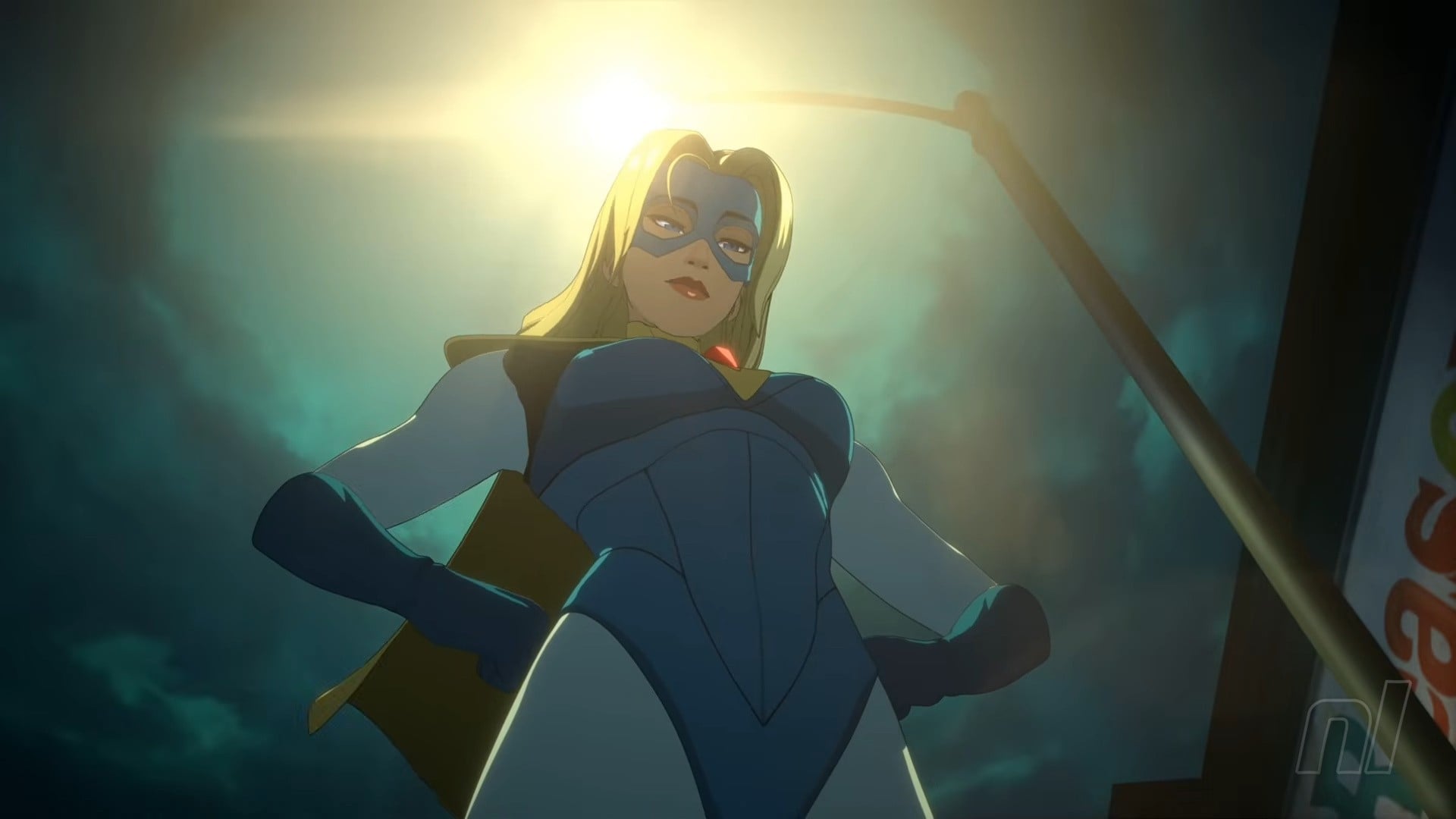
The digital battleground of content moderation recently saw a significant development, as AdHoc Studio, developers of the game "Dispatch," issued a comprehensive statement regarding the controversial censorship applied to its Nintendo Switch version. This move comes swiftly after Nintendo's own official response to the outcry, signaling an ongoing dialogue that could reshape how mature content is handled on the popular hybrid console. The developers' declaration of "already working with Nintendo on a path forward" offers a glimmer of hope and intrigue into the evolving landscape of platform-developer relations and player expectations.
Context and Controversy: The Genesis of the 'Dispatch' Debate
The "Dispatch" controversy ignited when players discovered significant alterations in the Nintendo Switch port compared to other platforms, primarily revolving around visual content deemed sexually explicit or suggestive. These changes, widely interpreted as censorship, sparked a furious debate within the gaming community. Players argued for content parity across platforms and questioned Nintendo's often-conservative content policies. Historically, Nintendo has maintained a stricter stance on mature content than its competitors, a policy that has, at times, alienated specific segments of the gaming audience and caused friction with developers aiming for broader market reach. The core issue lies in the perceived lack of transparent communication regarding content guidelines and the often arbitrary nature of some moderation decisions, leaving developers in a precarious position.
AdHoc Studio's Proactive Stance: A Collaborative 'Path Forward'
AdHoc Studio's lengthy statement serves as a crucial counter-narrative, moving beyond mere damage control to an active commitment to resolution. While the specifics of their "path forward" remain under wraps, the very public acknowledgment of collaboration with Nintendo is significant. It suggests a potential shift from a unilateral platform decision to a bilateral discussion. For AdHoc, addressing the censorship is not just about placating an angry fanbase but about preserving the artistic integrity of their work and ensuring player satisfaction. This cooperative approach hints at various possibilities: a potential patch to restore some censored content, the implementation of region-specific versions with differing content, or perhaps even a more transparent rating system integration that allows for content variations to be clearly communicated upfront.
Broader Industry Implications and Developer Autonomy
The "Dispatch" saga transcends a single game; it is a microcosm of the larger struggle for creative freedom and content consistency in the modern gaming industry. For independent developers, the ability to release their vision unhindered across all platforms is paramount. Platforms like the Switch, with its vast install base, represent critical revenue streams. However, if platform-specific content alterations become a common and non-negotiable hurdle, it could force developers to make difficult choices: self-censor from the outset, forgo specific platforms, or risk alienating their audience. AdHoc Studio's public engagement with Nintendo, therefore, sets a potential precedent. It could empower other developers to push for clearer guidelines, more collaborative content review processes, and perhaps even challenge restrictive policies that compromise their artistic integrity.
The Player's Voice and Platform Responsibility
At the heart of this debate are the players, many of whom feel a sense of betrayal when content they expect is altered without clear communication. The demand for content parity isn't merely about aesthetics; it's about trust and the perceived value of their purchase. When a game on one platform offers a demonstrably different experience, it erodes confidence in the platform holder's commitment to supporting diverse content. Nintendo, while needing to protect its brand image and cater to a family-friendly audience, also has a responsibility to its adult player base and the developers who bring innovative titles to its console. Finding a balance that respects both ethical guidelines and creative freedom is a tightrope walk that platforms increasingly face.
Towards a More Transparent Future?
The ongoing dialogue between AdHoc Studio and Nintendo could signify a pivotal moment for content moderation on the Switch. A truly collaborative "path forward" might involve:
- Clearer Content Guidelines: Establishing well-defined and publicly accessible policies for what is and isn't acceptable, reducing ambiguity for developers.
- Tiered Content Ratings: Leveraging existing rating systems (ESRB, PEGI) more effectively to allow for mature content without wholesale censorship, perhaps with age-gating mechanisms.
- Developer Consultation: Involving developers in the content review process earlier and providing actionable feedback rather than outright demands for alteration.
- Player Choice: Offering options for content presentation where feasible, giving players more agency over their gaming experience.
While a complete reversal of Nintendo's general approach seems unlikely, the public nature of this discussion and AdHoc's resolve highlight a growing expectation for transparency and developer-platform cooperation.
Conclusion
The "Dispatch" censorship controversy and AdHoc Studio's subsequent declaration mark a significant chapter in the ongoing narrative of content governance in gaming. As Nintendo and AdHoc navigate their "path forward," the industry will be watching closely. The outcome could not only determine the future of "Dispatch" on Switch but also influence how platform holders balance their brand identity with the evolving demands of developers and players for creative integrity and content consistency. For NovaPress, this evolving story underscores the critical need for open dialogue and adaptable policies in an ever-maturing digital entertainment landscape.