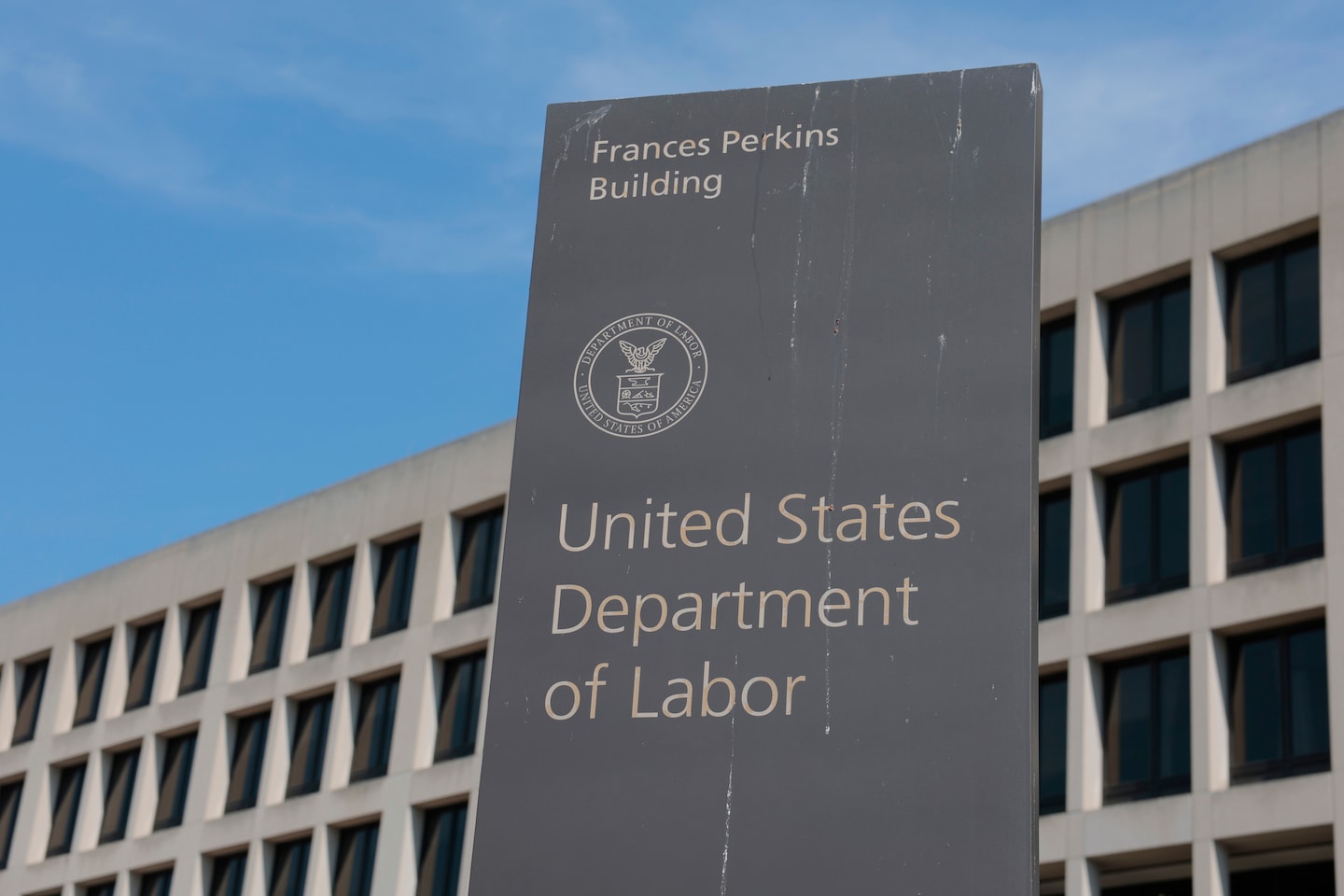
The Bureau of Labor Statistics Under Scrutiny: Navigating Data Integrity in a Politicized Era
The recent nomination of White House economist Brett Matsumoto to lead the Bureau of Labor Statistics (BLS) by President Donald Trump has reignited a critical debate surrounding the independence and integrity of federal statistical agencies. This move follows the controversial dismissal of the previous commissioner, Erika McEntarfer, in August, reportedly over a 'weaker-than-expected jobs report'—an incident that sent ripples of concern through statistical and political circles alike.
The BLS: A Pillar of Unbiased Data
The Bureau of Labor Statistics stands as a cornerstone of American economic understanding. Tasked with collecting, processing, analyzing, and disseminating essential statistical data to the public, Congress, and other federal agencies, its output—from monthly jobs reports to inflation figures—forms the bedrock for economic policy, market decisions, and public discourse. Crucially, the BLS has historically operated with a high degree of independence, its findings meant to be objective and free from political interference. This institutional neutrality is paramount for maintaining public trust and ensuring that policy is based on sound, factual information rather than partisan narratives.
The Shadow of McEntarfer's Dismissal
The abrupt removal of Commissioner Erika McEntarfer earlier this year sent a chilling message. While the precise details surrounding her firing remain somewhat opaque, reports directly linked it to a jobs report that failed to meet White House expectations. This unprecedented move immediately sparked fears of politicization, suggesting that the administration might be willing to exert pressure on agencies whose data did not align with a desired political message. For many, it represented a dangerous precedent, potentially undermining the long-held tradition of scientific and statistical independence within government.
Brett Matsumoto: A New Chapter or Continued Scrutiny?
President Trump's choice of Brett Matsumoto, a White House economist, to fill the void left by McEntarfer's departure, brings a new dimension to this ongoing saga. While described by some as a 'career staffer,' Matsumoto's immediate past role within the White House's economic advisory apparatus places him in close proximity to the administration's political agenda. This raises legitimate questions about how the public and policymakers will perceive the BLS's independence under his leadership. Will he be seen as an impartial steward of data, or as someone potentially influenced by the political winds of the executive branch?
The challenge for Matsumoto will be immense: to re-establish and vigorously defend the BLS's reputation for impartiality, especially in an environment where trust in institutions and data is already under strain. His appointment will be closely watched for any indication of deviation from the agency's historical commitment to objective reporting, regardless of political ramifications.
Implications for Data Integrity and Public Trust
The stakes in this episode are profoundly high. If federal statistical agencies are perceived as susceptible to political pressure, the repercussions could be far-reaching:
- Erosion of Public Trust: The public's confidence in government-produced data, crucial for informed decision-making, could plummet.
- Compromised Policy Making: Lawmakers and economists rely on accurate, unbiased data to craft effective policies. Politicized data can lead to misguided decisions.
- Market Instability: Financial markets are highly sensitive to economic indicators. Any doubt about the veracity of BLS reports could introduce volatility and uncertainty.
- Chilling Effect: Agency statisticians and researchers might feel pressured to tailor their findings or presentation to avoid political backlash, compromising the quality and honesty of their work.
Looking Ahead
The nomination of Brett Matsumoto comes at a critical juncture for federal statistical independence. His tenure, if confirmed, will serve as a bellwether for the balance between political accountability and scientific objectivity in government. For the NovaPress, we will continue to monitor this situation closely, ensuring our readers receive thorough, analytical coverage of the ongoing battle for data integrity in an increasingly politicized world. The reliability of the numbers that define our economy is not merely an academic concern; it is fundamental to the health of our democracy and the prosperity of our nation.