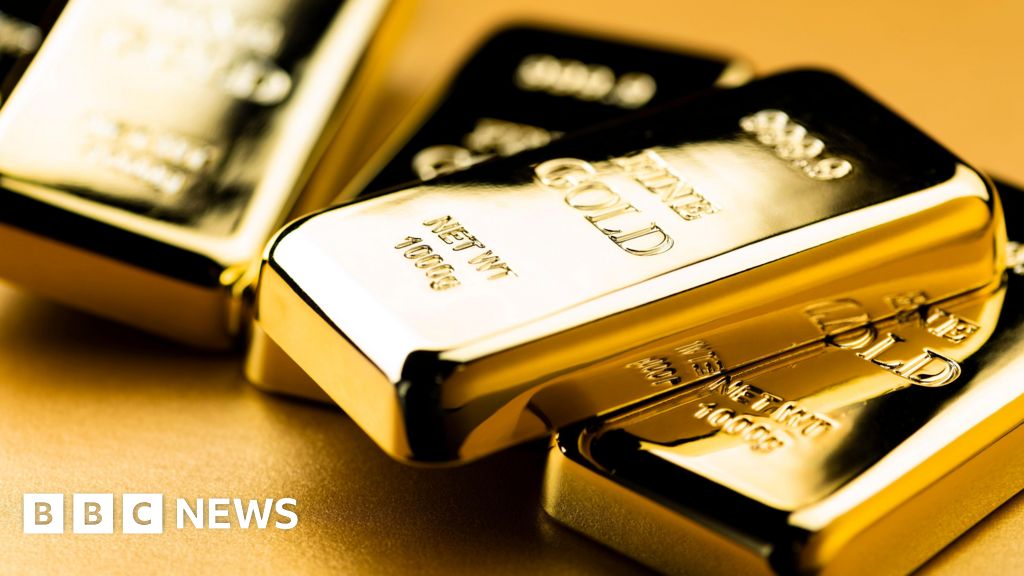
Gold, the ancient symbol of wealth and stability, has once again captured the world's attention. After scaling unprecedented highs, the precious metal recently experienced a slight retreat. Yet, this minor dip hasn't deterred a significant portion of investors who continue to view it as an indispensable refuge. The enduring allure of gold, even as markets fluctuate, prompts a deeper examination into the forces driving its demand and its critical role in today's tumultuous global economy.
The Unshakeable Safe Haven Status
At the core of gold's appeal is its perception as a perennial safe haven. In times of economic uncertainty, geopolitical upheaval, or market volatility, investors instinctively turn to assets that promise to preserve capital. Unlike fiat currencies, which can be devalued by government policy, or equities, which are tied to corporate performance, gold holds an intrinsic value often seen as immune to conventional market pressures. This perception intensifies during periods of high risk, making gold a preferred store of value when the future looks uncertain.
Geopolitical Volatility and Fiscal Policy Concerns
A significant driver behind gold's recent ascent, as highlighted by economist Hamad Hussain of Capital Economics, has been the contrast between gold's perceived safety and the risks associated with US foreign and fiscal policies, particularly under administrations like the Trump era. Policies that lead to increased national debt, trade wars, or an unpredictable geopolitical landscape tend to erode confidence in traditional financial assets. When a major global economy exhibits such volatility, international investors often hedge their bets by allocating more capital to gold. This acts as a tangible protest against perceived governmental instability and a safeguard against potential currency debasement or economic fallout.
Inflationary Pressures and Monetary Policy
Beyond political risks, the specter of inflation consistently bolsters gold's standing. With central banks globally engaging in quantitative easing and maintaining accommodative monetary policies, fears of currency devaluation and rising prices often push investors towards commodities like gold. It acts as a traditional hedge against inflation, promising to maintain purchasing power when the value of money corrodes. High interest rates, conversely, can make non-yielding assets like gold less attractive, but the overall landscape of low real rates in many major economies continues to support its appeal as an inflation shield.
The Recent Dip: A Moment of Correction or a Trend Shift?
While the dominant narrative points to strong demand, gold's recent fall from its record highs merits attention. This dip can often be attributed to several factors: profit-taking after a rapid ascent, a strengthening US dollar making gold more expensive for international buyers, or a temporary easing of immediate geopolitical tensions. A rise in real interest rates, signaling a more robust economic outlook, can also temper gold's attractiveness. However, it is crucial to view such fluctuations within the broader context of its long-term upward trajectory driven by the fundamental factors outlined above. A minor correction does not necessarily signify a reversal of its safe-haven status, but rather a normal market adjustment.
Future Implications: Gold's Enduring Role
Looking ahead, gold's role as a critical component of diversified portfolios seems secure. As global economic uncertainties persist, central banks continue to grapple with inflation, and geopolitical flashpoints remain a constant threat, the demand for tangible assets like gold is unlikely to diminish. Investors will continue to monitor shifts in monetary policy, the stability of major economies, and the evolving geopolitical landscape. While short-term volatility is inevitable, gold's deep-rooted perception as a protector of wealth positions it to maintain its luster, acting as a crucial anchor in an unpredictable world. Its story is not just one of price movements, but of human nature's enduring quest for security amidst change.