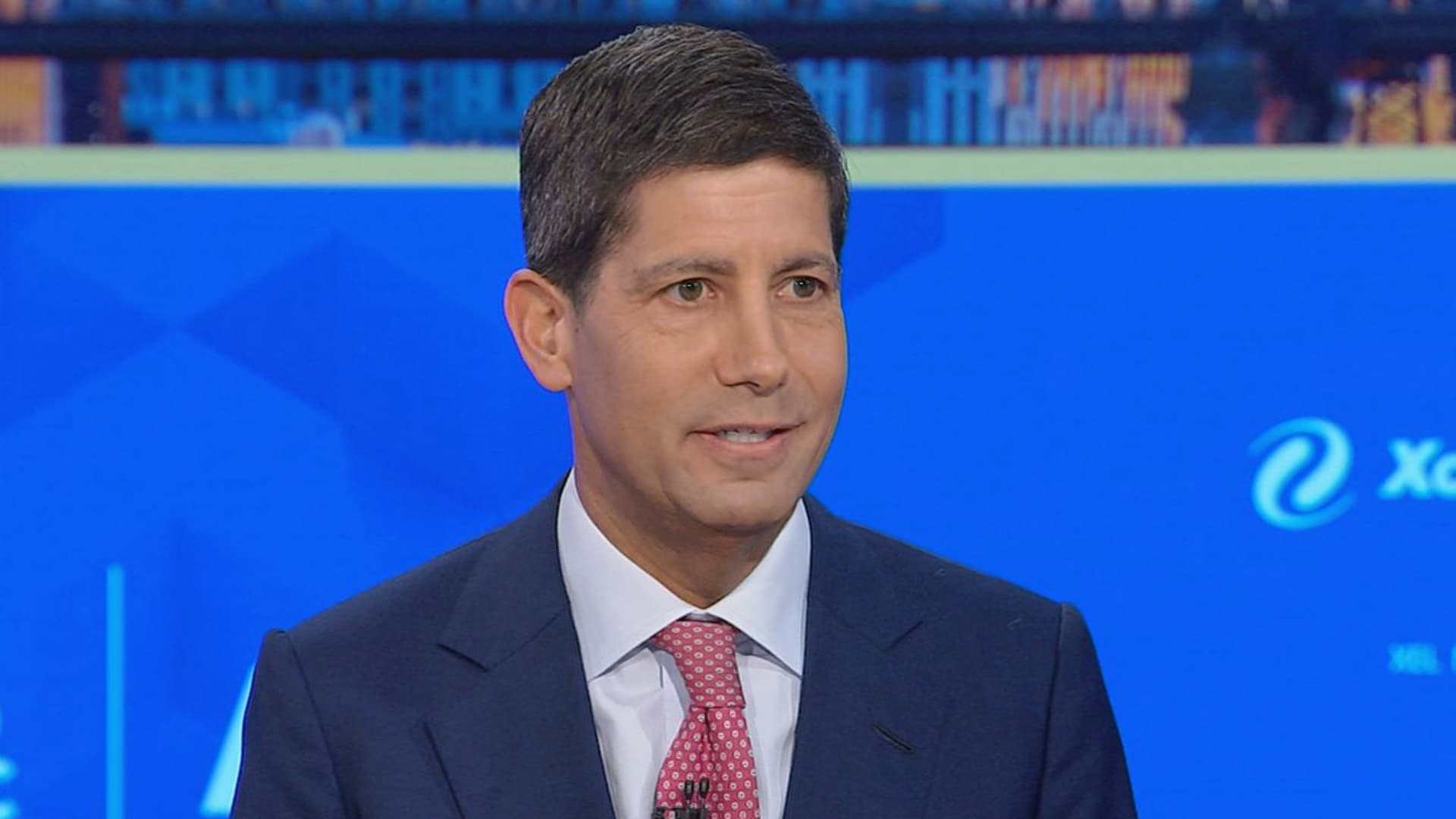
Trump's Bold Fed Pick: Kevin Warsh and the Future of America's Central Bank
President Donald Trump's nomination of Kevin Warsh to succeed Jerome Powell as Federal Reserve chair marks a pivotal moment for U.S. economic policy. This decision, concluding a tumultuous five-month period of uncertainty surrounding the central bank's leadership, signals a potential shift in the Fed's direction and its relationship with the White House.
The Man Behind the Nomination: Who is Kevin Warsh?
Kevin Warsh is no stranger to the Federal Reserve. Having served as a Fed governor from 2006 to 2011, he brings a wealth of experience from a critical period, including the 2008 financial crisis. During his tenure, Warsh was known for his sharp intellect and a leaning towards a more hawkish monetary policy, often advocating for tighter controls on inflation. Post-Fed, he became an influential economic advisor, particularly within Republican circles, and was considered a front-runner for the Fed chair role for some time. His background suggests a deep understanding of market dynamics combined with a more conservative approach to central banking, making him a compelling, if potentially controversial, choice for the helm.
Ending the "Odyssey": Why the Turmoil?
The "five-month odyssey" referenced in the initial reports highlights a period of unprecedented speculation and political maneuvering around the Fed's leadership. Traditionally, the appointment of a Fed chair, while presidential, tends to be a more measured process, aiming to preserve the central bank's perceived independence. However, under the Trump administration, there was intense scrutiny and public commentary, often critical of the Fed's existing policies and leadership. This extended period of uncertainty created volatility in financial markets and raised questions about the future autonomy of the institution, making Warsh's nomination a resolution to a politically charged debate that captivated Washington and Wall Street alike.
Potential Shifts in Monetary Policy and Fed Independence
Warsh's appointment could usher in a new era for monetary policy. Known for his inclination towards deregulation and a potentially faster pace of interest rate normalization, his chairmanship might mean a more aggressive stance against inflation and a clearer signal of intent to unwind quantitative easing programs. This contrasts with what some perceived as a more cautious approach from the outgoing leadership. A key concern will be the perception of the Fed's independence. While Warsh is highly qualified, his close ties to the administration and the highly politicized nature of his nomination could fuel debates about whether the Fed will maintain its traditional distance from political influence, a cornerstone of its effectiveness and credibility on both the domestic and international stages.
Market Reactions and Economic Implications
Financial markets are likely to react to Warsh's nomination with a mix of anticipation and caution. Investors will be scrutinizing his every statement for clues on future interest rate trajectories and the overall direction of the U.S. economy. A more hawkish Fed could lead to stronger dollar valuation and potentially higher borrowing costs, impacting various sectors from housing to corporate investments. Businesses, consumers, and global trading partners will all be watching closely as Warsh takes the helm, eager to understand how this leadership change will influence inflation, employment, and economic growth in the coming years. The nomination itself, by resolving uncertainty, might offer some short-term stability, but the long-term impact will depend on the policies Warsh enacts and his ability to steer the economy through potentially turbulent waters.
The Road Ahead: Challenges and Opportunities
Warsh faces significant challenges, including navigating a complex global economic landscape, managing domestic inflation pressures, and potentially re-establishing the Fed's apolitical reputation amidst ongoing political scrutiny. His ability to build consensus within the Federal Open Market Committee (FOMC) and communicate effectively with markets and the public will be crucial. Yet, this also presents an opportunity for a fresh perspective on monetary policy and potentially a more proactive approach to economic management. The Warsh era at the Fed promises to be dynamic, consequential, and closely watched by economists, politicians, and ordinary citizens alike, as it will shape the economic destiny of the nation for years to come.