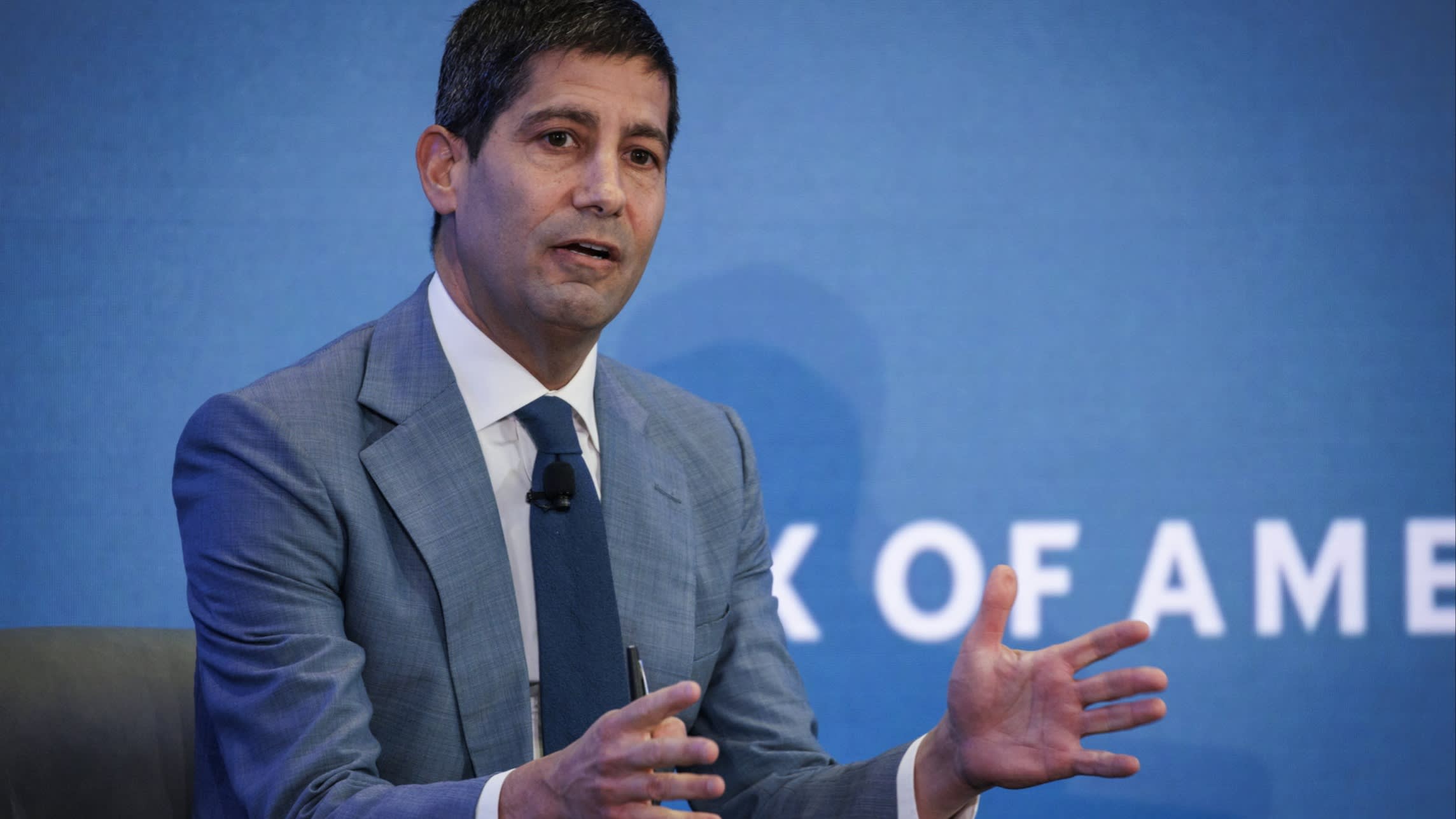
Trump's Fed Pivot: The Kevin Warsh Nomination and its Potential Economic Aftershocks
The financial world is abuzz following reports that former President Donald Trump is preparing to nominate Kevin Warsh as the next Chair of the Federal Reserve, potentially replacing current Chair Jay Powell. An official announcement is expected imminently, marking what could be a profound shift in U.S. monetary policy and the very character of the nation's central bank.
A Look at Kevin Warsh: Background and Economic Philosophy
Kevin Warsh is no stranger to the corridors of power. A former member of the Federal Reserve Board of Governors from 2006 to 2011, Warsh served during a tumultuous period that included the 2008 financial crisis. Prior to his Fed tenure, he worked in the George W. Bush administration as Special Assistant to the President for Economic Policy and Executive Secretary of the National Economic Council.
Warsh is widely considered to hold a more hawkish stance on monetary policy compared to Jay Powell. He has been a vocal critic of the Fed's quantitative easing programs, arguing that they inflate asset bubbles and distort market signals. His philosophy often emphasizes a return to more traditional, less interventionist central banking, with a strong focus on inflation control and fiscal discipline. This perspective contrasts sharply with the expansive, often accommodative policies adopted by the Fed in recent years, particularly under Powell's leadership.
The Powell Era vs. A Potential Warsh Regime
Jay Powell's tenure as Fed Chair has been defined by navigating unprecedented economic challenges, from the COVID-19 pandemic to soaring inflation and subsequent aggressive interest rate hikes. Powell's Fed has prioritized maximum employment while grappling with price stability, often demonstrating a willingness to adapt policy in response to evolving economic data.
A Warsh-led Federal Reserve would likely signal a departure. Key areas of divergence could include:
- Interest Rate Policy: Warsh might favor a quicker and more sustained tightening cycle to combat inflation, potentially prioritizing price stability even at the risk of slower economic growth or increased unemployment.
- Quantitative Easing/Tightening: Expect a more aggressive unwinding of the Fed's balance sheet and a strong resistance to future large-scale asset purchases.
- Financial Regulation: While not directly the Fed Chair's primary domain, Warsh's skepticism towards expansive central bank powers could influence the Fed's approach to banking supervision and regulatory oversight.
- Forward Guidance: A Warsh Fed might lean towards less explicit forward guidance, preferring to maintain flexibility and minimize market reliance on predictable Fed statements.
Market Reactions and Future Implications
The prospect of a Kevin Warsh chairmanship is likely to send ripples through global financial markets. Bond markets, in particular, could see significant volatility as traders price in a potentially more hawkish Fed. Long-term interest rates might face upward pressure, impacting everything from mortgage rates to corporate borrowing costs. Stock markets, accustomed to a more accommodative Fed, could experience periods of adjustment and uncertainty.
Beyond immediate market movements, Warsh's appointment could reshape the long-term trajectory of U.S. monetary policy. It would underscore a shift towards a more conservative, perhaps less politically malleable, interpretation of the Fed's dual mandate. This could have profound implications for future economic expansions and contractions, potentially altering the tools and philosophies deployed during the next economic downturn.
Conclusion: A High-Stakes Nomination
Donald Trump's anticipated nomination of Kevin Warsh is more than just a personnel change; it represents a potential ideological recalibration of the world's most powerful central bank. As the announcement looms, all eyes will be on Washington and the economic reverberations that will undoubtedly follow this high-stakes decision. The future of inflation, interest rates, and the very stability of the U.S. economy may hang in the balance.