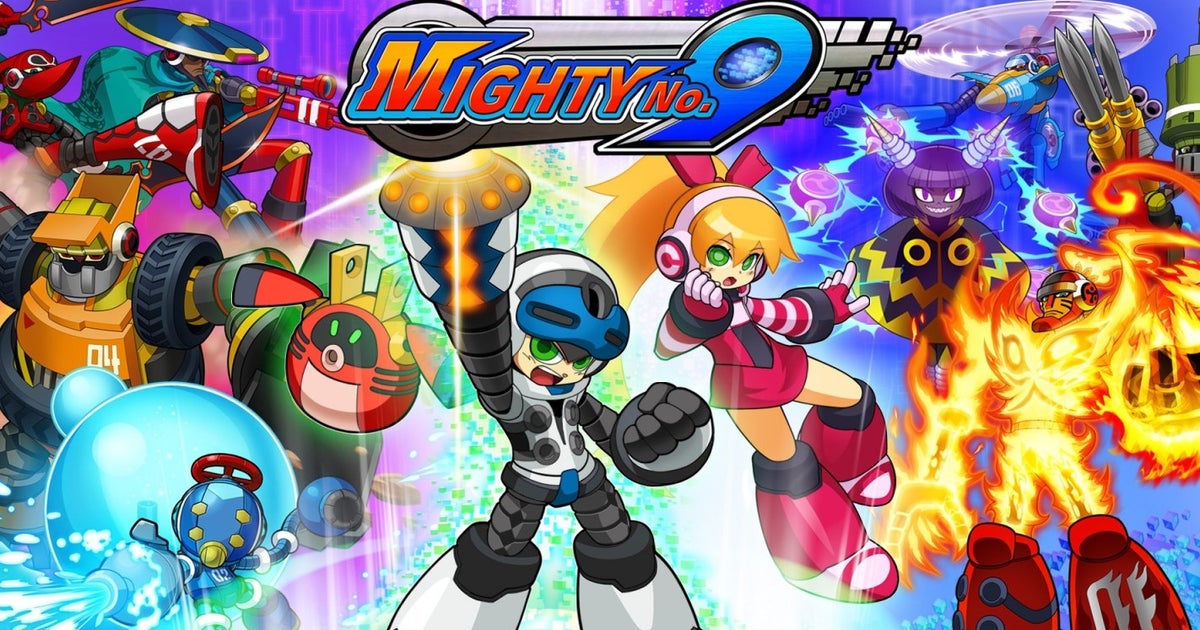
From Hype to Hiatus: The Unraveling of Comcept and the Unwritten Lessons of Mighty No. 9
The quiet dissolution of Comcept, the Japanese game development studio founded by industry veteran Keiji Inafune, marks the definitive end of a tumultuous chapter in modern video game history. Announced through Kanpo, the Japanese business newspaper-of-record, the corporate shutdown confirms what many in the gaming community had long suspected: the dream born from fervent crowdfunding, epitomized by the infamous Mighty No. 9, has finally faded into obscurity.
The Genesis of Hype: A Star's Vision
Comcept was founded in 2010 by Keiji Inafune, a name synonymous with iconic Capcom franchises like Mega Man and Dead Rising. After his departure from Capcom, Inafune quickly became a vocal advocate for Japanese game developers to embrace Western market strategies and direct fan engagement. This vision culminated in the 2013 Kickstarter campaign for Mighty No. 9, a spiritual successor to Mega Man. The campaign was an unprecedented success, shattering its initial goal and accumulating over $3.8 million, with additional millions raised through PayPal and other platforms.
The game promised a return to classic 2D platforming action, infused with modern sensibilities. Fans, eager for a true successor to their beloved blue bomber, poured money and faith into the project. Inafune's charisma and track record fueled immense hype, painting a picture of a beloved genre revitalized by its original architect.
The Descent into Disappointment: Overpromising and Underdelivering
However, the journey from ambitious pitch to delivered product was fraught with challenges. Multiple delays, shifting art styles, communication missteps, and a perceived lack of transparency slowly chipped away at public trust. Development woes were compounded by controversial statements from Inafune himself, notably his infamous "better than nothing" comment regarding the final product's quality.
When Mighty No. 9 finally launched in June 2016, it was met with overwhelming disappointment. Critics lambasted its uninspired gameplay, generic visuals, and technical issues. The game scored poorly across review aggregators, failing to meet even the modest expectations that remained after years of troubled development. For many backers, it felt like a betrayal of their trust and investment.
The Aftermath and Broader Implications
The commercial and critical failure of Mighty No. 9 had significant ripple effects, not just for Comcept but for the wider crowdfunding landscape in gaming. It became a cautionary tale, illustrating the dangers of over-reliance on developer reputation, the challenges of managing public expectations, and the complexities of game development under intense scrutiny.
For Comcept, the road ahead was bleak. While Inafune had other projects and ventures, the studio never truly recovered from the backlash. Its subsequent endeavors struggled to gain traction, and the financial and reputational damage inflicted by Mighty No. 9 proved irreversible. The official announcement of its shutdown via Kanpo isn't merely the end of a company; it's a stark reminder of the fragile balance between ambition, execution, and public perception in the volatile video game industry.
Lessons for the Future of Game Development and Crowdfunding
Comcept's closure offers critical insights:
- Reputation is Fragile: Even legendary developers can falter. Trust built over decades can be eroded quickly by a single high-profile misstep.
- Transparency is Key: While development challenges are inevitable, consistent and honest communication with backers is paramount. Ambiguity breeds distrust.
- Realistic Expectations: Both developers and backers must manage expectations. Crowdfunding is not a blank check for unlimited features; it's an investment in a specific vision with inherent risks.
- Execution Matters Most: Hype can sell a concept, but only a quality product can sustain a studio. The actual game must deliver on its promises.
As the dust settles on Comcept's legacy, the gaming world reflects on what could have been. The dream of a Mega Man spiritual successor, once vibrant with potential, now stands as a monument to the perils of ambition unchecked and the unforgiving nature of a hyper-connected, highly critical audience. Its closure is not just news; it's a final, sobering lesson etched into the history of interactive entertainment.