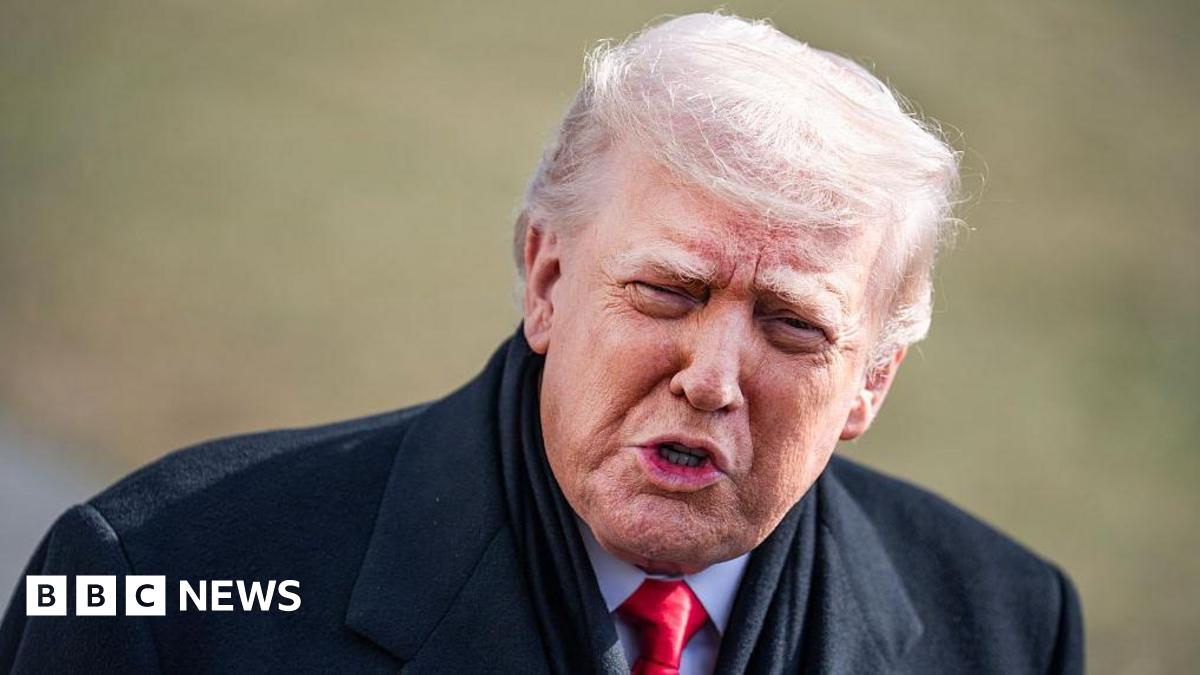
The Brewing Storm: Trump's Warning Ignites Federal-Local Immigration Standoff in Minneapolis
The political landscape of the United States has long been a complex tapestry of federal mandates and local autonomies. Few issues, however, ignite such fierce debate and stark division as immigration. In a recent dramatic confrontation, President Trump issued a sharp warning to Minneapolis Mayor Jacob Frey, accusing him of 'playing with fire' over the city's explicit refusal to enforce federal immigration laws. This stern rebuke came in response to Mayor Frey's resolute declaration: 'Minneapolis does not and will not enforce federal immigration laws.'
Reporting from Minneapolis, NovaPress correspondent Ana Faguy observed the palpable tension on the ground, particularly in north Minneapolis, where Representative Ilhan Omar spoke to residents amidst ongoing federal immigration operations. The situation underscores a deep ideological chasm, pushing the boundaries of federal power and local sovereignty, with profound implications for communities nationwide.
Minneapolis's Stance: A City of Sanctuary
Minneapolis, like many other progressive cities, has adopted policies that align with the 'sanctuary city' movement. These policies typically restrict local law enforcement from cooperating with federal immigration authorities (such as ICE) on civil immigration matters. The rationale, as articulated by Mayor Frey and advocated by community leaders, is multifaceted:
- Community Trust: Local officials argue that compelling police to act as immigration agents erodes trust between law enforcement and immigrant communities. This breakdown in trust can deter residents, regardless of status, from reporting crimes or cooperating with investigations, thereby compromising overall public safety.
- Resource Allocation: Cities often contend that their police forces are trained and funded for local law enforcement, not federal immigration enforcement. Diverting resources to federal operations is seen as an unfunded mandate that stretches already thin municipal budgets.
- Humanitarian Concerns: Many local leaders view their role as protecting all residents within their jurisdiction, emphasizing humanitarian aspects and the social fabric of diverse communities.
"Minneapolis does not and will not enforce federal immigration laws." – Mayor Jacob Frey
The Federal Mandate: Rule of Law and National Security
From the federal government's perspective, led by President Trump, the issue is one of national sovereignty, rule of law, and border security. The argument is that immigration laws are federal laws, and local jurisdictions are obligated to cooperate in their enforcement. The phrase 'playing with fire' suggests a serious breach of federal authority, implying potential consequences that could range from legal challenges to the withdrawal of federal funding from non-compliant cities.
Proponents of strict federal enforcement argue that allowing cities to opt out creates dangerous 'loopholes' and undermines the entire immigration system. They often cite concerns about public safety and the need for a uniform approach to immigration enforcement across the nation.
Legal and Constitutional Crossroads
This standoff highlights a long-standing constitutional debate between federal supremacy (Article VI of the U.S. Constitution) and states' rights, often invoked through the Tenth Amendment. While the Supreme Court has generally upheld the federal government's broad authority over immigration, it has also limited the federal government's ability to compel state and local officials to enforce federal law directly (e.g., *Printz v. United States*). However, the line between 'compelling' and 'requesting cooperation' remains a contentious area, with both sides often testing the boundaries.
The Human Impact and Political Ramifications
The immediate impact of such a high-profile clash is felt most acutely by immigrant communities. The presence of federal operations, coupled with the rhetoric from Washington, can instill fear and uncertainty, prompting community leaders like Ilhan Omar to step in and offer reassurances and support. For residents, especially those without documentation, the threat of raids and deportation creates a climate of anxiety that permeates daily life.
Politically, this conflict serves as a potent symbol in the ongoing culture wars, mobilizing bases on both sides. For President Trump, it reinforces his tough stance on immigration and appeals to voters concerned about border security. For Mayor Frey and Rep. Omar, it solidifies their commitment to progressive values and local autonomy, resonating with a base that advocates for immigrant rights and community protection.
Looking Ahead: An Unpredictable Future
The 'fire' that President Trump warned of could manifest in several ways: intensified federal enforcement actions, legal battles over funding or jurisdictional authority, or increased political pressure on Minneapolis. While the city remains steadfast in its resolve, the federal government possesses significant tools, both legal and financial, to challenge such defiance.
This incident in Minneapolis is not an isolated event but rather a microcosm of a larger national struggle to define the future of immigration policy and the division of powers within the American federal system. As tensions continue to simmer, the outcome of this particular standoff will undoubtedly set precedents and influence the discourse for years to come, shaping not just policy, but the very identity of cities across the nation.