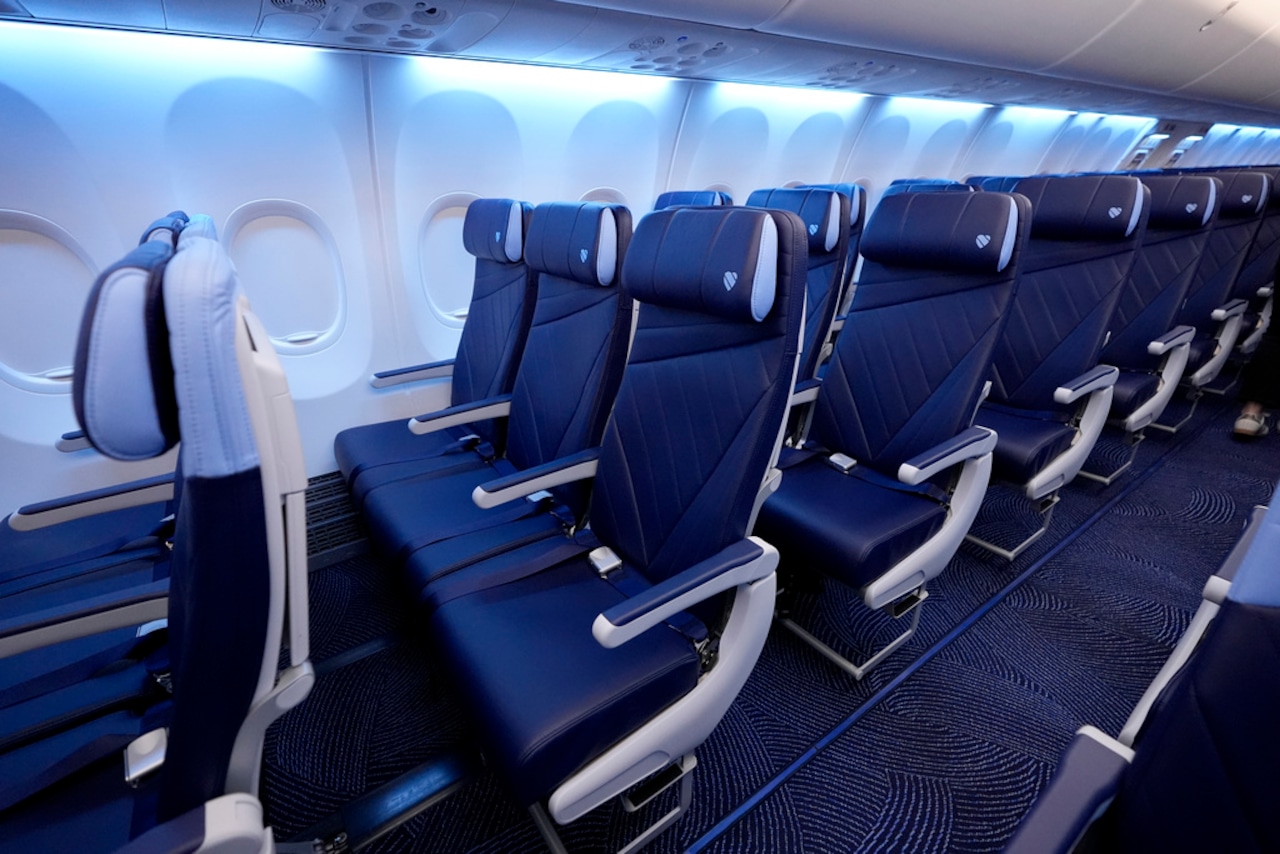
Betrayal in the Skies: Southwest's New Plus-Size Policy Grounds Loyal Customers and Sparks Industry Debate
A storm of disappointment, anguish, and frustration is brewing in the skies, as loyal Southwest Airlines passengers find themselves facing an unexpected new hurdle: a stricter enforcement of its "Customers of Size" policy. What was once seen by many as an accommodating, albeit imperfect, approach to passenger comfort, is now being perceived as a significant betrayal, forcing some plus-sized travelers to choose between buying an extra seat or giving up air travel altogether.
The Policy Shift: From Accommodation to Requirement
Southwest Airlines has long operated with a "Customers of Size" policy aimed at ensuring comfort for all passengers. Historically, if a passenger required more than one seat to comfortably and safely occupy their space without encroaching on another passenger’s seat, they could purchase an additional seat and then request a refund for it post-flight, provided the flight was not full. This system, while sometimes cumbersome, offered a level of flexibility and understanding.
However, recent reports and passenger accounts suggest a significant shift in implementation. Passengers are now frequently being required to purchase the extra seat upfront, often at full fare, with no guarantee of a refund. This change, or at least the stricter interpretation of the policy, has transformed a previously manageable situation into an immediate financial burden and, for many, an insurmountable barrier to travel.
Stories of Anguish: Grounded Dreams and Financial Strain
The impact on Southwest’s loyal customer base has been immediate and profound. Travelers who have relied on Southwest for years, drawn by its unique open-seating policy and perceived customer-friendly approach, are now speaking out. Many share stories of being unable to afford the double fare, effectively grounding their travel plans for business, family visits, or much-anticipated vacations.
"It's a betrayal," stated one long-time Southwest customer, echoing the sentiment of many. "I've flown Southwest for decades, and now, suddenly, I'm told I need to pay double or I can't fly. It's not just about the money; it's about the humiliation and the feeling of being targeted." The policy, intended to ensure comfort, inadvertently creates discomfort and emotional distress for the very passengers it aims to address.
For individuals whose bodies naturally require more space, this policy change isn't a choice but a mandate that directly impacts their freedom of movement and participation in society. The financial strain of doubling airfare can be prohibitive, especially for frequent travelers or families, effectively making air travel a luxury many can no longer afford.
Southwest's Stance vs. Public Perception
Southwest Airlines maintains that its policy is in place for the safety and comfort of all passengers. A spokesperson for the airline might emphasize the need for unobstructed aisle access and the right for every passenger to a comfortable flight experience within their purchased seat. However, this official stance often clashes sharply with public perception, which views the stricter enforcement as a cost-cutting measure disguised as a comfort initiative, or worse, a form of discrimination.
The airline industry operates on tight margins, and seat occupancy is paramount. While the desire to maximize every available seat is understandable from a business perspective, the implementation of such policies carries significant ethical and public relations risks. The "customer of size" issue highlights a broader tension between airline profitability and passenger accessibility and equity.
Wider Implications for Air Travel and Accessibility
This development at Southwest Airlines could have far-reaching implications for the entire air travel industry. Will other airlines follow suit, implementing or enforcing similar policies with greater stringency? The precedent set by a major carrier like Southwest could reshape how air travel is approached for passengers with diverse body sizes.
Beyond individual airlines, the issue raises critical questions about accessibility, body inclusivity, and reasonable accommodation in public transportation. Is it fair to disproportionately burden a segment of the population for their physical attributes? Advocates for plus-size travelers argue that airlines should explore solutions such as redesigning seat configurations, offering adjustable seating options, or implementing policies that don't penalize passengers based on body size, just as other forms of public transit adapt for various passenger needs.
The ongoing debate also underscores the need for greater transparency and clearer communication from airlines regarding their policies. Passengers deserve to know exactly what to expect and what their options are before booking, preventing last-minute distress at the gate.
The Path Forward: Advocacy and Industry Responsibility
The outcry against Southwest's policy serves as a powerful reminder that corporate policies have real human impacts. As more stories emerge, pressure will likely mount on Southwest to reconsider its approach, or at the very least, to clarify its policy with greater empathy and accommodation. Advocacy groups for plus-sized individuals are already amplifying these concerns, pushing for systemic changes that prioritize inclusivity over punitive measures.
Ultimately, the challenge for airlines is to balance operational efficiency and profitability with the fundamental right of all individuals to travel with dignity and accessibility. The "betrayal" felt by Southwest's customers is not just about an extra seat; it's about feeling unwelcome and unvalued. How the industry responds to this growing sentiment will define the future of air travel for millions.