Under the Arizona Sun: The Shadow of Border Patrol Incidents and the Call for Accountability
A recent incident in Arizona, where a person was shot and critically wounded in an encounter involving U.S. Border Patrol, casts a harsh spotlight once again on the escalating tensions and complex realities along the U.S.-Mexico border. While details remain scarce, confirmed by a Pima County Sheriff's Department spokesperson, this event is not an isolated occurrence but rather a stark reminder of the ongoing challenges, policy debates, and human cost inherent in border enforcement.
The Immediate Aftermath: A Life in Critical Condition
The news, though brief, carries significant weight: an unidentified individual is in critical condition following a shooting involving federal agents. The Pima County Sheriff's Department's involvement in confirming the incident suggests a local jurisdiction's initial response to an event that often falls under federal purview. The immediate priority, as investigations unfold, will be to ascertain the circumstances leading to the shooting, the identities of those involved, and the protocols followed. Such incidents invariably ignite calls for transparency and a thorough, impartial investigation to ensure accountability.
A Troubled Frontier: Context of the Arizona Border
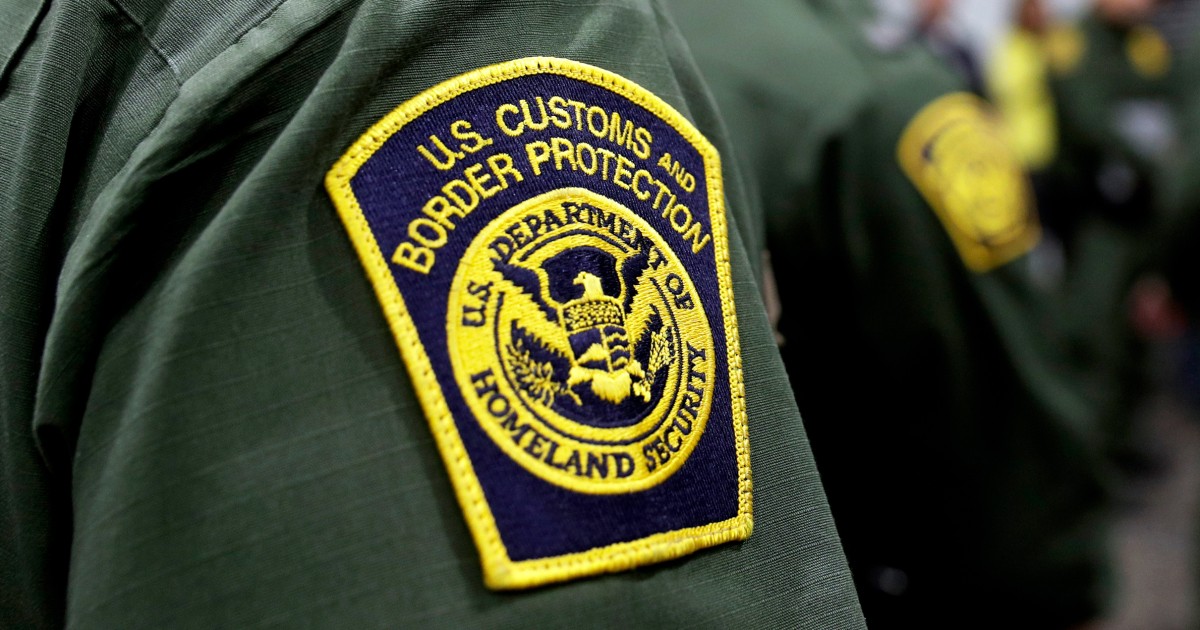
Arizona's border with Mexico is one of the most dynamic and challenging sections of the U.S. frontier. Characterized by vast, often unforgiving desert landscapes, it is a primary corridor for both migrants seeking asylum or economic opportunity and for drug trafficking. This complex environment necessitates a substantial presence of law enforcement, including U.S. Customs and Border Protection (CBP), of which Border Patrol is a key component.
The increased militarization of the border over recent decades, coupled with heightened migration flows and the inherent dangers of the terrain, creates a volatile backdrop. Agents operate in high-stress situations, often confronting individuals who may be desperate, exploited, or engaged in illicit activities. However, this operational reality also demands the highest standards of training, de-escalation techniques, and judicious use of force.
Border Patrol Use of Force: Policy and Scrutiny
Incidents involving Border Patrol agents using lethal or non-lethal force have been a recurring subject of public concern and scrutiny. Human rights organizations and civil liberties advocates have consistently called for greater oversight, accountability, and reform within CBP. While the agency has implemented reforms and updated its use-of-force policies in recent years, questions often persist regarding their effective implementation and the transparency of internal investigations.
The incident in Pima County highlights the ongoing tension between national security imperatives and the protection of human rights. It forces a critical examination of when and how force is deployed, the availability of less-lethal options, and the adequacy of training provided to agents operating in such fraught environments.
The Labyrinth of Accountability: Local vs. Federal
When a federal agency like Border Patrol is involved in a shooting, the investigative process becomes particularly intricate. While local law enforcement, like the Pima County Sheriff's Department, may secure the scene and conduct initial fact-finding, primary jurisdiction for investigating federal agents typically rests with federal bodies, such as the FBI or CBP's Office of Professional Responsibility. This bifurcated approach can sometimes lead to questions about independence and thoroughness.
Advocates often push for independent civilian oversight, arguing that internal investigations, while necessary, may not always be perceived as fully impartial. The outcome of this specific investigation will be crucial in setting a precedent and reinforcing public trust, or further eroding it.
Looking Ahead: Policy, Oversight, and Reform
The Arizona shooting serves as a fresh impetus for discussions surrounding U.S. border policy. Beyond the immediate investigation, the incident will likely fuel broader debates on several fronts:
- Use of Force Protocols: A re-evaluation of current policies and training to minimize harm while ensuring agent safety.
- Transparency and Accountability: Calls for body cameras, public release of investigation findings, and truly independent oversight mechanisms.
- Humanitarian Approaches: The need for policies that address the root causes of migration and prioritize humane treatment, especially for vulnerable populations.
- Community Relations: Efforts to rebuild trust between border communities and federal law enforcement agencies.
As the individual fights for their life in critical condition, the incident serves as a poignant reminder that border enforcement is not merely a matter of policy and statistics, but one that deeply impacts human lives. The path forward demands a commitment to justice, transparency, and a continuous reassessment of how the U.S. secures its borders while upholding its values.