GOP's Internal Fractures Exposed: Minnesota Candidate Quits, Citing 'Retribution' Against His Own State
By The NovaPress Editorial Team
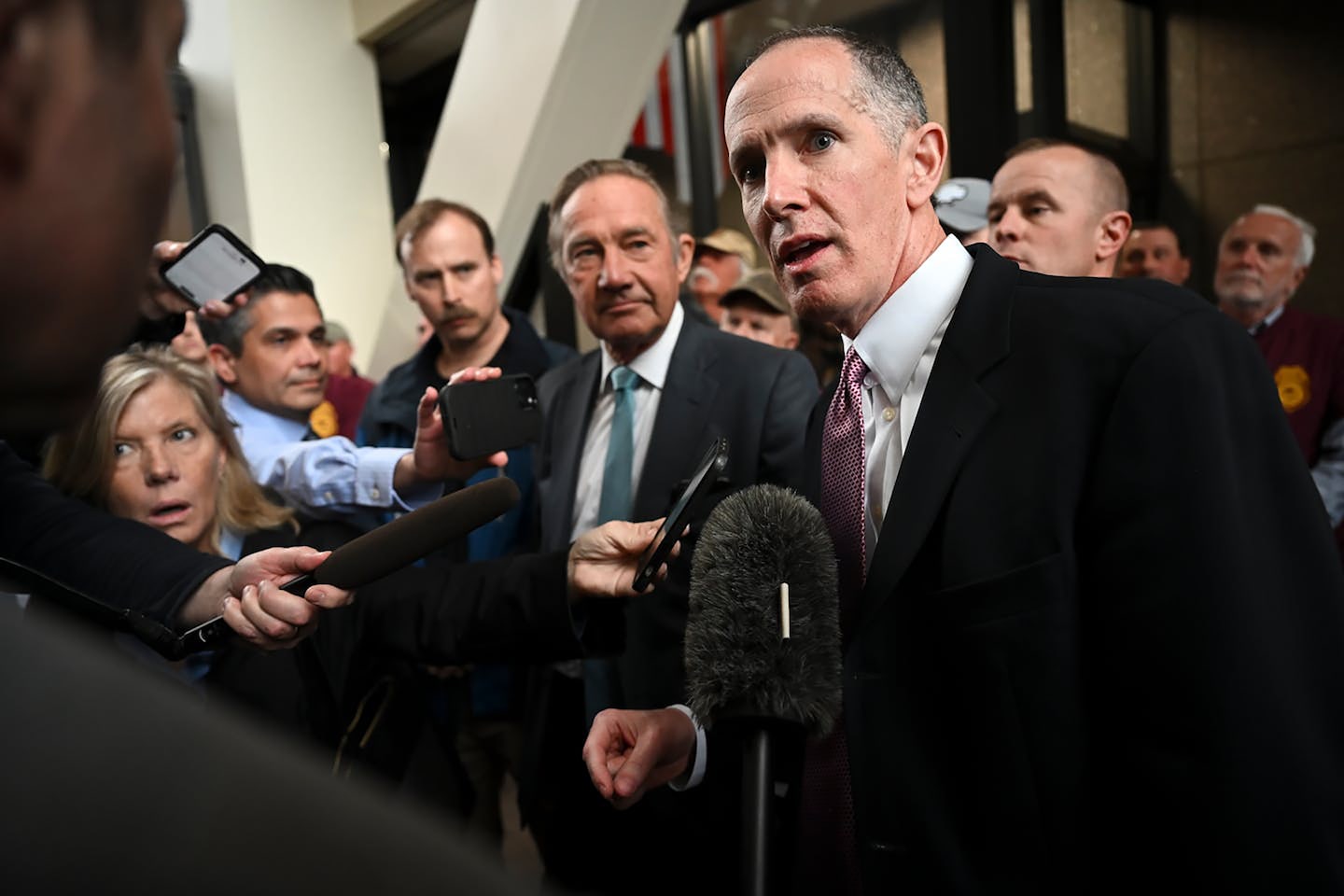
In a move that sends shockwaves through the national Republican Party, Minneapolis attorney Chris Madel, a once-promising candidate for Minnesota governor, announced Monday he is suspending his campaign. His reason? A blistering condemnation of what he termed the national GOP’s “stated retribution on the citizens of our state,” specifically highlighting the “unmitigated disaster” of ICE operations within Minnesota.
Madel's abrupt withdrawal, conveyed via a social media video, is more than just another campaign casualty; it's a stark public display of the growing ideological chasm and strategic tensions within the Republican party. His remarks underscore a critical conflict: the struggle between national party mandates and the unique political realities and public sentiment of individual states.
The 'Retribution' Defined: A Local Perspective on Federal Policy
While Madel didn't fully elaborate on the precise nature of the "retribution," his pointed criticism of ICE operations offers a significant clue. Federal immigration enforcement policies, often championed by segments of the national GOP, frequently clash with the more liberal or nuanced stances adopted by states like Minnesota. Madel's description of ICE actions as an “unmitigated disaster” suggests a perception that federal actions are not only poorly executed but actively detrimental to his constituents and the state's welfare.
This isn't merely a policy disagreement; it's presented as a punitive measure. The language of “retribution” implies a deliberate intent to punish Minnesota, perhaps for its political leanings, its sanctuary city policies, or its general resistance to certain federal initiatives. This framing by a Republican candidate against his own party is extraordinary and speaks to a deep sense of betrayal or alienation.
Minnesota's Political Landscape: A Battleground for Ideologies
Minnesota, often characterized as a blue state with significant purple pockets, has a history of independent political thought and a strong emphasis on local governance. For a Republican candidate here, aligning too closely with national party rhetoric, especially on sensitive issues like immigration, can be a political tightrope walk. Madel's stance suggests he found this balancing act impossible, concluding that the national party's agenda was actively harming his state and, by extension, his electability.
His withdrawal highlights the broader challenge for the GOP: how to maintain party unity and advance a national agenda while accommodating the diverse political ecosystems of states across the country. When a candidate feels compelled to choose his state over his party, it signals a significant breakdown in that delicate balance.
Broader Implications for the Republican Party
Madel's decision serves as a bellwether for potential future internal conflicts within the GOP. As the party attempts to navigate its post-Trump identity and strategy, the tension between its populist base, traditional conservatives, and moderate wings continues to simmer. The concept of "retribution" levied against a state by its own national party could resonate with other state-level Republicans who feel their local concerns are being overlooked or actively undermined by federal directives.
This incident could empower other moderate or state-focused Republicans to voice similar discontents, potentially leading to further fragmentation or a re-evaluation of national party strategies. It raises questions about the long-term viability of a top-down approach to party governance, especially in an era of increasing political polarization.
What's Next for the Minnesota Gubernatorial Race?
Madel’s exit undoubtedly reshapes the Republican primary landscape for Minnesota’s gubernatorial contest. It clears a path for other candidates but also leaves a void, and potentially a lingering question mark, regarding the national party's perceived influence and stance on the state. The remaining candidates will now face increased scrutiny on how they address the concerns Madel raised, particularly regarding federal-state relations and the impact of national policies on local communities.
Conclusion: A Rift That Runs Deep
Chris Madel’s withdrawal is more than a personal political decision; it's a profound statement about the state of the Republican Party. His public denouncement of “retribution” and the “unmitigated disaster” of federal actions highlights deep-seated tensions between national political ambitions and the practical realities of governing diverse states. As the GOP heads into crucial election cycles, the ability to bridge these internal divides will be critical, lest more candidates choose to distance themselves from a party they believe is actively harming their home states.