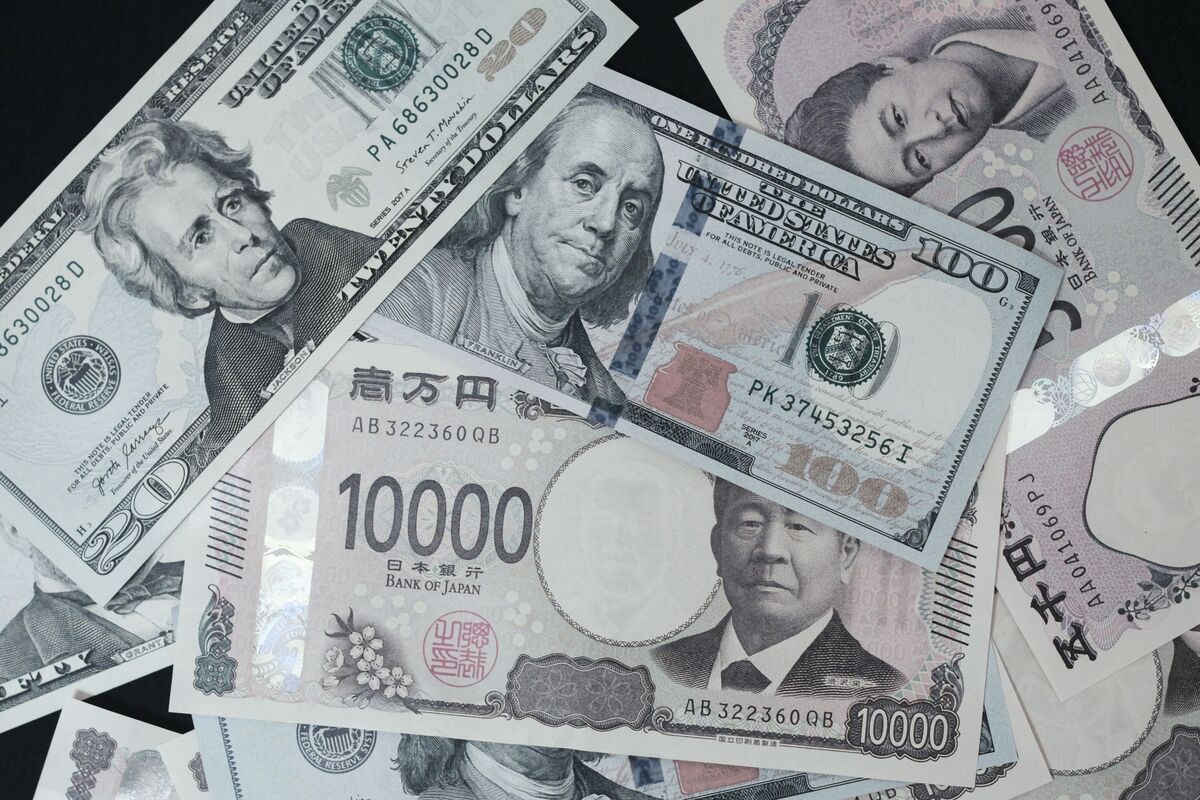
Japan's Yen Roars Back: The High-Stakes Game of Intervention and Global Economic Ripple Effects
The Japanese Yen, long battered by global economic forces, has recently shown a surprising surge, climbing as much as 1.2% against the dollar. This rally isn't just a market blip; it's a tremor signaling intensified speculation over potential market intervention by Japanese authorities. Traders are now on high alert, sensing that the Bank of Japan (BOJ) and the Ministry of Finance (MOF) might be preparing to step in, following the currency's prolonged and painful slide.
The Lingering Shadow of Depreciation: Why the Yen Took a Dive
The yen's persistent depreciation has been a major storyline in global finance, largely driven by the stark monetary policy divergence between the dovish Bank of Japan and hawkish central banks like the U.S. Federal Reserve. While other major economies aggressively hiked interest rates to combat soaring inflation, the BOJ maintained its ultra-loose policy, keeping borrowing costs near zero. This vast interest rate differential made the yen significantly less attractive to investors seeking higher yields, leading to its steady decline. The increasing rhetoric from senior officials, indicative of a 'warning from Takaichi' and similar sentiments, underscores the growing political and economic pressure on authorities to address the weak yen, which inflates import costs, squeezes corporate margins, and burdens Japanese households.
The Art and Peril of Currency Intervention
Currency intervention is a powerful, yet inherently risky, tool in a central bank's arsenal. It typically involves the central bank selling its foreign currency reserves (such as U.S. dollars or euros) to buy its own domestic currency (yen), thereby artificially increasing demand and boosting its value. The primary aim is often to stabilize the currency, correct perceived market imbalances, or counter speculative attacks that push a currency far from its economic fundamentals.
However, intervention is not a guaranteed success. It can be incredibly costly, drawing down a nation's valuable foreign reserves, and often struggles to be effective if it runs contrary to fundamental economic trends or if market speculation is overwhelmingly powerful. Furthermore, unilateral intervention can draw criticism from international partners who might perceive it as competitive devaluation or manipulation of exchange rates. Japan has a notable history of intervention, often at critical junctures, but the current global economic environment—marked by stubborn inflation dynamics, hawkish global central banks, and geopolitical uncertainties—creates an exceptionally challenging backdrop for any unilateral action. The period of a "wait-and-see" approach by Japanese authorities appears to be giving way to growing impatience, leading directly to the current market jitters and increased yen volatility.
What Lies Ahead: Potential Scenarios and Global Ripple Effects
The immediate question dominating financial desks is whether this recent yen strength is merely market positioning in anticipation of intervention, or a precursor to actual, decisive action by Tokyo. If Japanese authorities do intervene, the yen could see a more significant, albeit potentially temporary, rebound. This would offer some much-needed relief to Japanese consumers grappling with higher import prices, but conversely, it could negatively impact large Japanese exporters who have benefited from a weaker yen making their goods more competitive abroad.
Conversely, if intervention is heavily signaled but ultimately doesn't materialize, or if it proves ineffective against broader market forces, the yen could quickly resume its downward trajectory, potentially exacerbating economic anxieties and eroding market confidence in authorities' resolve. Beyond Japan's borders, a significant and sustained intervention could send ripples through global currency markets, affecting other major currency pairs, altering the dynamics of popular carry trades, and potentially influencing global investor sentiment towards riskier assets. The global economy, already navigating a complex landscape of persistent inflation, elevated interest rates, and geopolitical tensions, will be closely watching Tokyo's every move.
Conclusion: A Delicate Balance on the Brink
The recent surge in the yen highlights a critical juncture for Japanese economic policy. Authorities are caught in a delicate balance between the urgent desire to support domestic purchasing power and the considerable risks inherent in direct market intervention. The coming weeks and months will reveal whether this is a fleeting rally driven by speculation or the beginning of a concerted, impactful effort to reset the yen's trajectory. Whatever the outcome, Tokyo's decision will not only shape Japan's immediate economic future but also send clear, influential signals across international financial markets.