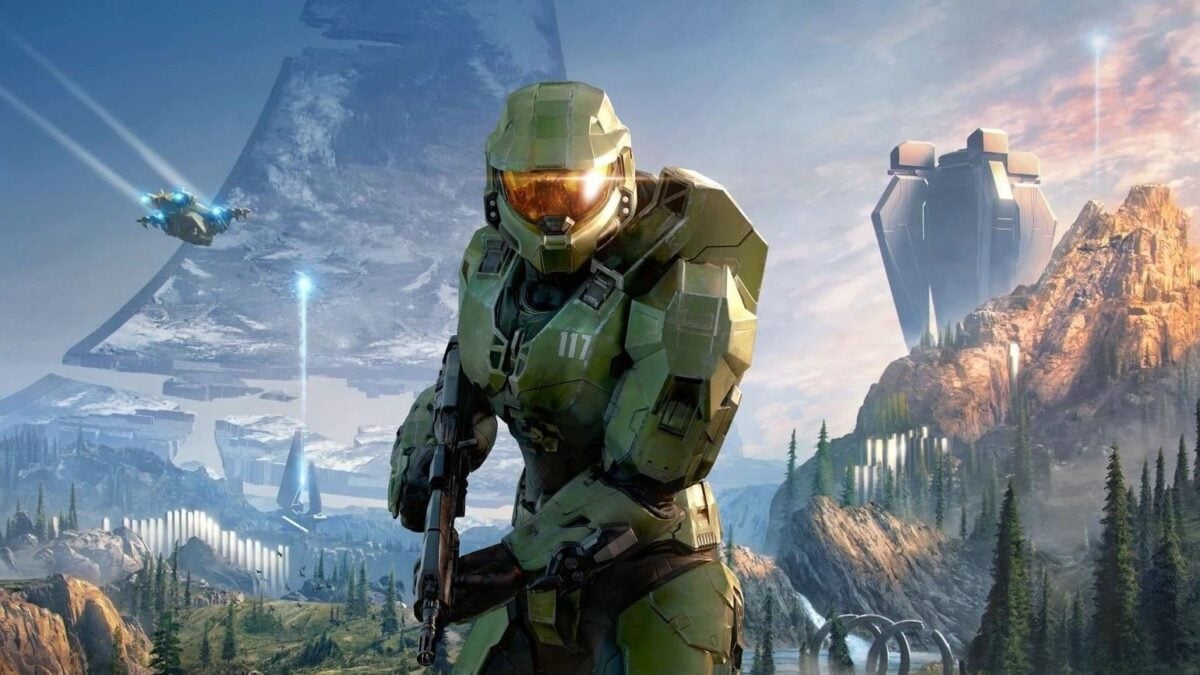
Today marks a melancholic milestone for one of gaming's most storied franchises. Four years ago, Halo Infinite launched with the weight of an entire generation's expectations on its shoulders. It was supposed to be a triumphant return to form, a revitalization of the Master Chief's saga, and a new paradigm for the live-service multiplayer experience. Instead, as the sentiment echoed by many, including Kotaku, suggests, its anniversary is less a celebration and more a somber reflection on what could have been.
The Weight of Expectation: A Pre-Launch Hype Machine
The build-up to Halo Infinite's release was nothing short of monumental. Following a somewhat divisive era for the franchise under 343 Industries, Infinite was touted as a soft reboot, a spiritual successor to the beloved original trilogy. Promises included a sprawling, open-world campaign that married exploration with classic Halo combat, and a free-to-play multiplayer component designed to evolve continuously. The "Craig" meme, born from an early gameplay reveal, ironically became an early symbol of the game's struggles, hinting at the visual and technical challenges to come.
Gamers envisioned a Halo that embraced modern gaming trends while staying true to its roots. A robust content pipeline, engaging seasonal updates, and a vibrant competitive scene were all implicitly promised, fueled by the sheer legacy of the Halo name and the capabilities of a new console generation.
Launch Woes and Content Drought
Upon its staggered release (multiplayer in November 2021, campaign in December 2021), the initial reception was mixed. The campaign, while praised for its core combat and narrative beats, felt underutilized in its open-world design, lacking the dynamic encounters and environmental storytelling expected. It was a beautiful playground with too few toys.
However, it was the multiplayer that truly bore the brunt of community disappointment. Despite a solid gameplay foundation, it launched with a severe lack of content – sparse maps, limited game modes, and a battle pass progression system that felt agonizingly slow and unrewarding. Customization, a hallmark of modern shooters, was locked behind expensive cosmetics or tedious grinding. The expected live-service updates were infrequent and often delayed, creating vast content droughts that pushed players away. Features promised pre-launch, like campaign co-op and Forge mode, arrived months, even years, later than anticipated, by which point much of the initial player base had moved on.
The Live Service Paradox
Halo Infinite's struggles highlight a critical challenge in the live-service model: consistent, high-quality content. Where titles like Fortnite, Apex Legends, and Call of Duty managed to keep players engaged with regular infusions of maps, modes, and cosmetic items, Infinite often felt stagnant. The underlying Slipspace Engine reportedly presented significant development hurdles, making even seemingly simple updates complex and time-consuming. This technical debt, combined with leadership changes and the challenges of remote development, created a perfect storm that hampered the game's ability to evolve at the pace modern audiences expect.
Future Implications for a Fading Icon
Four years on, Halo Infinite is not a dead game, but it struggles to recapture its former glory or fulfill its initial vision. Its anniversary serves as a stark reminder of the perils of over-promising and under-delivering, particularly for an IP with such a storied legacy. The franchise, once synonymous with Xbox itself, now faces an uncertain future. Can it ever fully recover from the narrative of unfulfilled potential?
For the industry, Halo Infinite offers a cautionary tale: a strong core gameplay loop is essential, but it must be supported by a robust development pipeline, clear communication, and a genuine commitment to community feedback in the live-service era. As gamers reflect on what Halo Infinite was supposed to be, the questions linger: What lessons have been truly learned, and what does this mean for the Master Chief's next outing, whenever it may arrive?
The silence of a hopeful anniversary is perhaps the loudest statement of all.