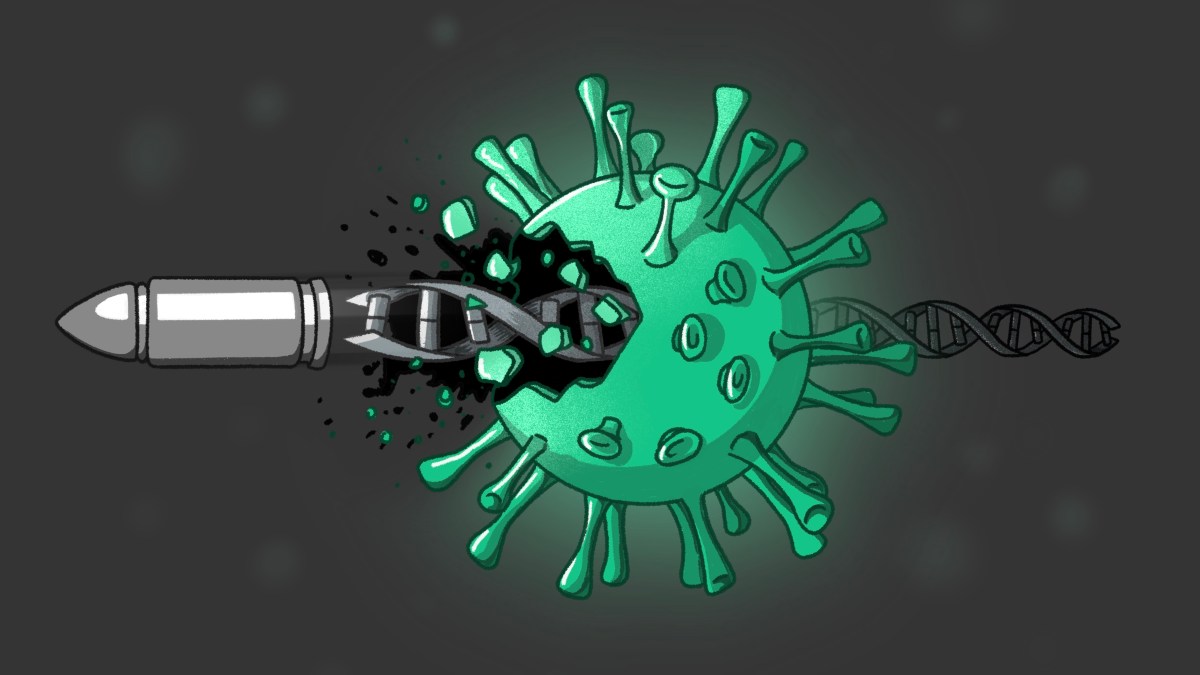
At first it was imperceptible. In the base of a petri dish, invisible to the naked eye, something never before seen in nature was stirring into life. For the first time in history, scientists had used advanced artificial intelligence to write the genetic code of a virus from the ground up. This isn't just a scientific breakthrough; it’s a profound redefinition of creation itself, heralding what many are calling the "post-Darwinian" age. The target? Killer bacteria, rendered invincible by decades of antibiotic misuse.
The Looming Shadow of Antimicrobial Resistance
For decades, humanity has been locked in a quiet but deadly battle against ever-evolving microbes. The rise of antibiotic-resistant "superbugs" threatens to plunge modern medicine back into a pre-antibiotic era, where common infections become death sentences. The World Health Organization estimates that drug-resistant diseases could cause 10 million deaths annually by 2050. Despite the dire warnings, the pipeline for new antibiotics has dwindled, leaving researchers scrambling for alternative solutions.
AI: The Architect of Life’s New Code
Enter the unlikely heroes: a collaboration between molecular biologists and tech entrepreneurs, armed with algorithms and a deep understanding of genetic mechanics. Their groundbreaking experiment involved deploying sophisticated AI to design a novel bacteriophage – a type of virus that specifically infects and destroys bacteria. Unlike naturally occurring phages, which are products of eons of natural selection, this new viral entity was engineered. The AI didn't just tweak existing code; it composed a completely new genetic sequence, optimized for maximum destructive efficiency against target bacteria.
This isn't merely genetic engineering; it's synthetic biology on an unprecedented scale. The AI acted as a biological architect, sifting through vast datasets of genetic information, predicting protein folding, and simulating molecular interactions to assemble a blueprint for a functioning, bacteria-killing organism. The speed and precision with which AI can explore the combinatorial vastness of genetic possibilities far exceed human capabilities, opening doors to biological innovations previously confined to science fiction.
Welcome to Post-Darwinism
The term "post-Darwinism," as framed by this breakthrough, signifies a pivotal shift. For centuries, biological evolution has been understood primarily through the lens of natural selection – a blind, undirected process where advantageous traits emerge over generations. Now, with AI at the helm, humanity is moving beyond passive observation and into active, intelligent design of life itself. We are no longer solely products of evolution; we are becoming its conscious directors.
This paradigm shift raises profound questions about our place in the natural world. If life can be written and created from code, what does it mean to be alive? What are the boundaries of creation? This era isn't about replacing Darwinian evolution, but rather about augmenting and accelerating it, using artificial intelligence to navigate the complexities of biological design with intent and purpose.
Future Implications and Ethical Frontiers
The immediate promise of this technology is immense. Imagine a future where personalized phages, designed by AI, can target specific bacterial infections with unparalleled precision, circumventing antibiotic resistance. This could revolutionize medicine, offering hope for conditions ranging from persistent infections to potentially even certain cancers.
Beyond medicine, the implications ripple across all aspects of biotechnology. AI-designed organisms could clean up pollution, produce novel materials, or even serve as highly efficient biosensors. The ability to program life opens up a universe of possibilities for addressing global challenges from climate change to food security.
However, with such power comes immense responsibility. The ethical considerations are staggering. The creation of entirely novel life forms, even for benevolent purposes, necessitates rigorous oversight and a deep understanding of potential unintended consequences. What if these designer viruses evolve in unpredictable ways? What are the long-term ecological impacts of introducing engineered organisms into the environment? The global scientific community must establish robust frameworks for ethical development, risk assessment, and transparent public discourse.
NovaPress's Take: A New Dawn, A New Responsibility
The "NovaPress" believes this breakthrough marks a turning point not just for science, but for humanity’s relationship with life itself. It is a testament to human ingenuity, amplified by the transformative power of AI. While the promise of eradicating superbugs and opening new frontiers of biological engineering is exhilarating, the journey into post-Darwinism demands unparalleled wisdom, caution, and collective stewardship. We stand at the precipice of an era where life can be designed, not just discovered. The challenge now is to ensure this incredible power is wielded for the ultimate good, with respect for life in all its forms, both natural and engineered.