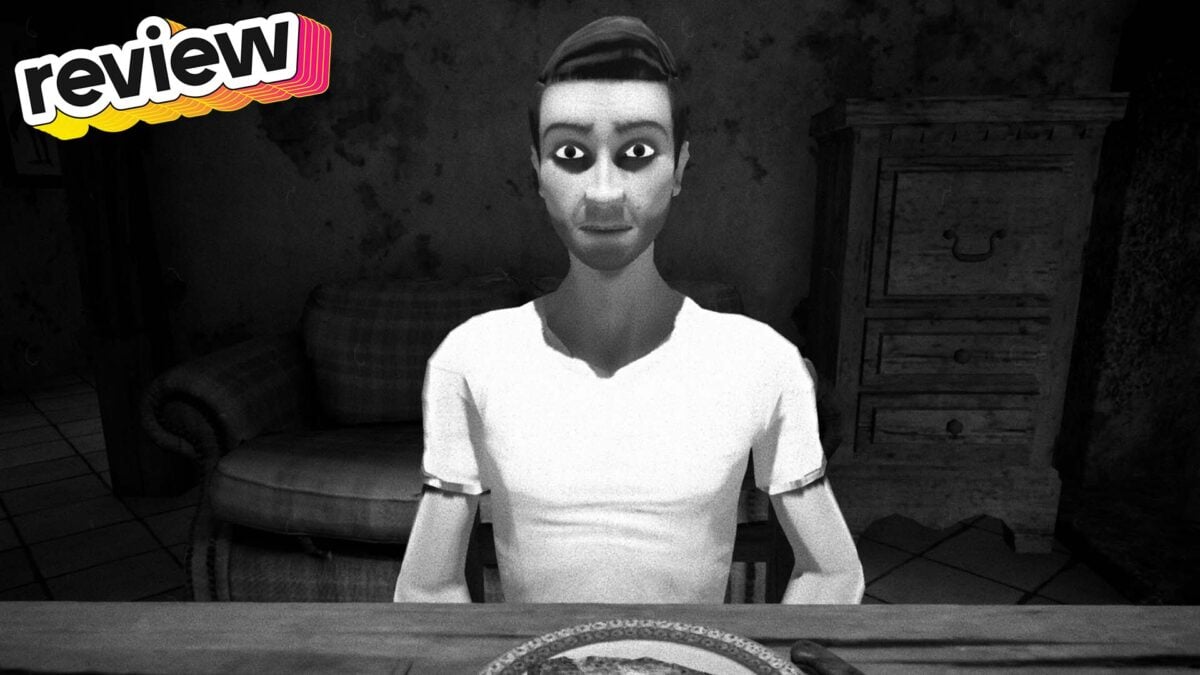
In the sprawling, often chaotic landscape of independent video games, titles emerge daily, vying for attention, a place on digital storefronts, and a moment in the sun. Most flicker and fade. Then there are those that ignite a firestorm, not for their groundbreaking mechanics or gripping narratives, but for the sheer controversy they provoke. Such is the curious case of "Horses," Santa Ragione's horror game, a title whose brief, unremarkable runtime has paradoxically thrust it into the epicenter of a heated debate concerning digital distribution, censorship, and the volatile nature of online outrage.
The Unremarkable Game at the Heart of the Storm
"Horses," by all accounts from those who have managed to play its two-hour duration, is an experience defined more by its forgettability than its terror. Critical consensus, echoed by Kotaku, paints a picture of a game that is "remarkably unremarkable," a statement that stands in stark contrast to the tempest of public indignation it has stirred. This isn't a game lauded for its innovation or damned for its technical failures; it's a game that simply is. Yet, its very existence, or rather, its removal from major platforms, has triggered a discourse far more intense and complex than its content could ever warrant.
The Digital Gauntlet: Banned from Steam and Epic
The catalyst for the "shit storm," as the original reporting describes it, was the decision by both Steam and Epic Games, two of the industry's most dominant digital storefronts, to ban "Horses" from their platforms. While the specific reasons for these bans often remain opaque, shrouded in the internal policies of these tech giants, the outcome was anything but. The move immediately polarized communities, igniting impassioned arguments about free expression, content moderation, and the power wielded by platform holders.
Navigating the Moderation Minefield: Who Decides?
The "Horses" saga throws a spotlight on the increasingly fraught territory of platform moderation. Digital storefronts are not merely retailers; they are also gatekeepers, curators, and often, unwitting arbiters of cultural taste and societal norms. The immense power they wield in deciding what content reaches millions of players comes with a heavy responsibility, and equally heavy scrutiny. When a game is banned, questions invariably arise: What are the criteria? Is the process transparent? And perhaps most importantly, does the cure sometimes prove worse than the disease?
The Streisand Effect in Gaming: Fueling the Fire
One of the most immediate and observable effects of the "Horses" ban has been a phenomenon akin to the Streisand Effect. By attempting to suppress the game, platforms may have inadvertently amplified its notoriety. A title that might otherwise have slipped into obscurity, perhaps garnering a niche audience, has instead been thrust into the global consciousness, discussed on forums, news sites, and social media. The very act of censorship, regardless of its justification, often transforms a relatively unknown entity into a cause célèbre, drawing attention from corners of the internet that would never have otherwise encountered it.
Beyond the Pixels: Broader Implications for the Industry
The "Horses" controversy is not just about one game; it's a microcosm of larger challenges facing the gaming industry and digital culture at large. It forces us to confront uncomfortable questions:
- Creative Freedom vs. Platform Responsibility: Where is the line between allowing creators artistic liberty and protecting consumers from potentially harmful or objectionable content?
- The Power of Outrage: How much influence does a vocal minority or a targeted online campaign have in shaping platform policies and influencing content decisions?
- The Future of Indie Development: For small studios like Santa Ragione, a platform ban can be devastating. Does this create an environment of fear or self-censorship for developers pushing boundaries?
- Transparency in Moderation: Do platforms owe it to developers and consumers to be more explicit about their moderation guidelines and the reasons behind specific bans?
The discourse surrounding "Horses" serves as a stark reminder that in the digital age, content is never truly isolated. A game, even an "unremarkable" one, can become a battleground for ideologies, a mirror reflecting our society's anxieties about control, expression, and the ever-shifting boundaries of what is acceptable. The true horror, it seems, isn't found within the pixels of "Horses," but in the intensity of the human reaction it has provoked.
Conclusion: The Unending Echoes of Controversy
As the dust settles, or rather, continues to swirl, around "Horses," its legacy will likely be less about its gameplay and more about the cultural moment it encapsulated. It stands as a testament to the power of digital platforms, the volatility of online communities, and the enduring paradox that sometimes, the most unremarkable creations can spark the most remarkable controversies. For NovaPress, it’s a crucial case study in understanding the complex interplay between content, commerce, and the relentless echo chamber of modern digital life.