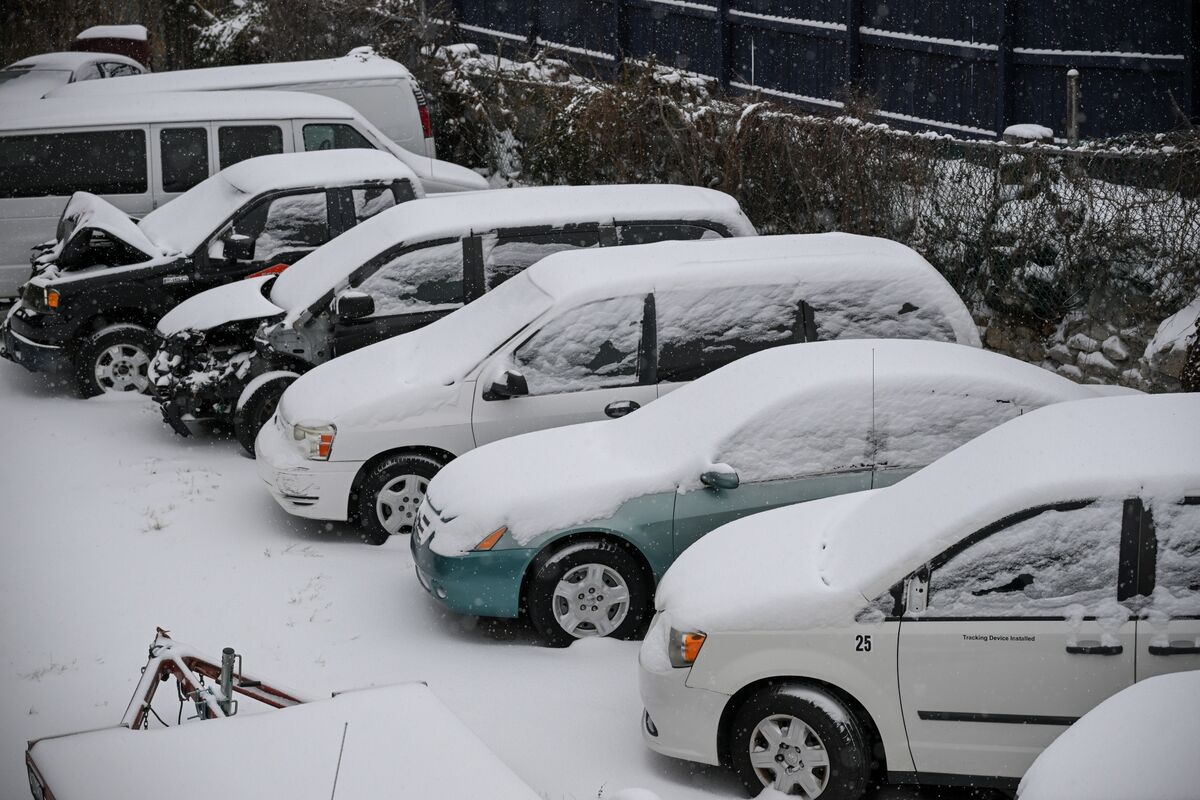
Winter's Fury: US Storm Unleashes Unprecedented Chaos on Travel, Power, and Economy
A monstrous winter storm has gripped the United States, paralyzing vast swathes of the nation and exposing critical vulnerabilities in its infrastructure and transportation networks. From the grounding of over 14,500 flights to triggering widespread power grid emergencies, the storm's immediate impact is a stark reminder of nature's formidable power and the cascading consequences it can unleash across society.
Travel Grinds to a Halt: A Nationwide Standstill
The skies above the US have fallen silent, with more than 14,500 commercial flights canceled or severely delayed. This unprecedented disruption has left hundreds of thousands of travelers stranded, meticulously planned holiday schedules shattered, and critical business operations in limbo. Major airport hubs are overwhelmed, and the ripple effect of these cancellations will be felt for days, if not weeks, as airlines struggle to re-route passengers and reposition aircraft. The economic toll on airlines, airports, and the broader tourism sector alone is projected to run into the hundreds of millions of dollars, highlighting the fragile interconnectedness of modern travel infrastructure.
Power Grids Under Siege: A Test of Resilience
As temperatures plunge dramatically and heavy snow blankets regions from the Midwest to the Northeast corridor, the nation's power grids are facing an existential challenge. Thousands are without electricity, plunging homes and businesses into darkness and dangerous cold. The declaration of grid emergencies in multiple regions underscores the immense strain on an aging infrastructure that appears increasingly ill-equipped to handle the growing frequency and intensity of extreme weather events. Communities relying on heating during such severe cold are at heightened risk, forcing emergency services to scramble and local authorities to open warming shelters. This crisis reignites urgent discussions about grid modernization, energy resilience, and the critical need for significant investment to safeguard essential services against the escalating threats of climate extremities.
Economic Ripple Effects and Future Implications
Beyond the immediate chaos, the storm's economic ramifications are far-reaching. Businesses in affected areas face forced closures, significant lost revenue, and severe supply chain interruptions. The considerable cost of emergency response, repairs to damaged infrastructure, and potential agricultural losses will further add to the overall financial burden. As New York City and the entire Northeast corridor brace for up to a foot of snow, the prospect of prolonged disruption looms large. This event serves as a critical case study for understanding the broader societal and economic vulnerabilities to extreme weather. Policymakers and urban planners must confront the stark reality of a changing climate, necessitating robust strategies for enhanced early warning systems, resilient infrastructure development, and comprehensive community preparedness to mitigate future disasters of this scale.
In conclusion, the current winter storm is more than just a severe weather event; it is a profound stress test for the nation's fundamental systems, from transportation and energy to emergency response and economic stability. Its lessons will undoubtedly shape future discussions on infrastructure investment, climate adaptation, and the imperative to build a more resilient society in the face of an increasingly unpredictable future.