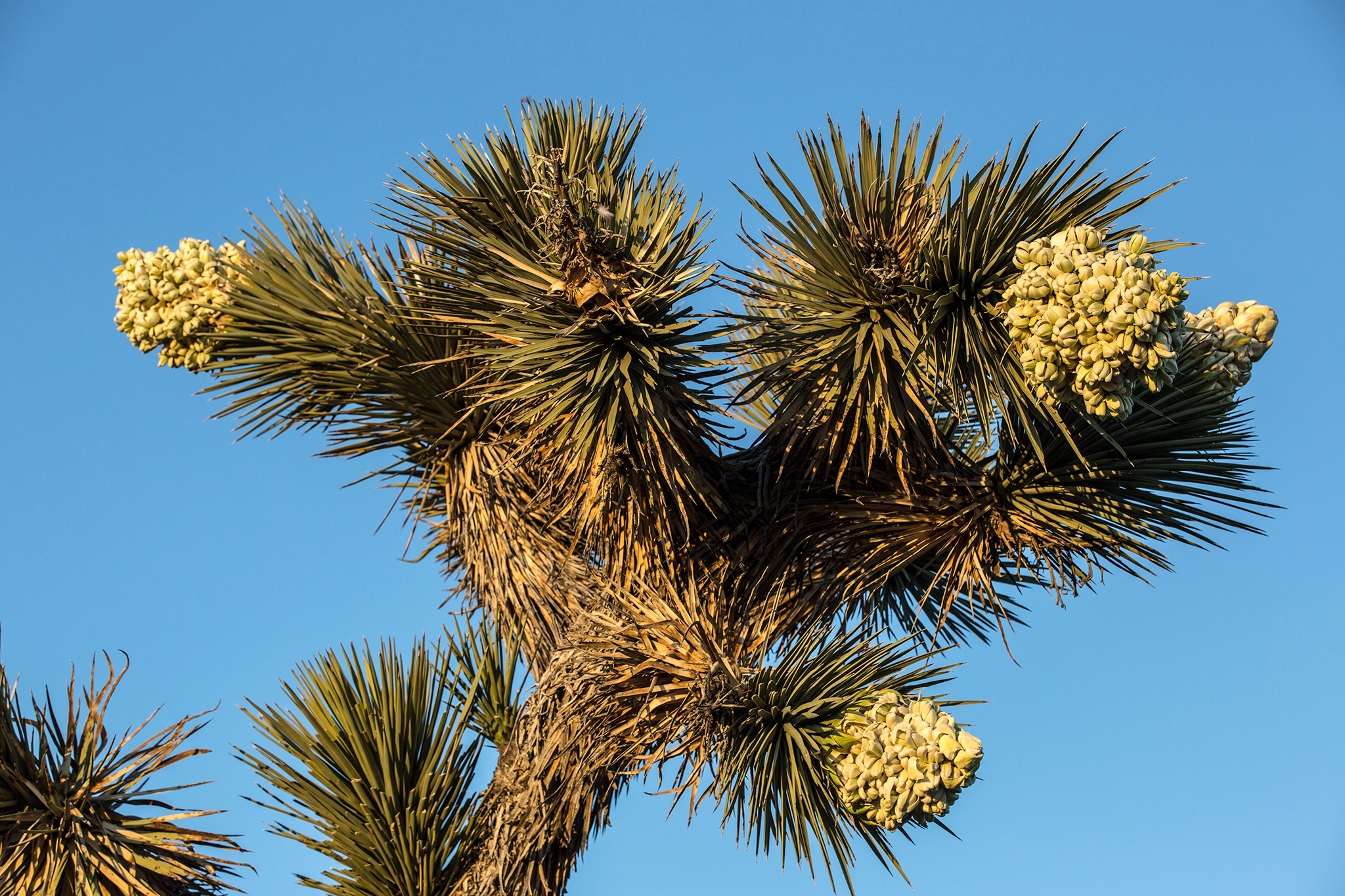
An Ominous Bloom: Why Early Joshua Tree Flowers Signal Deeper Ecological Distress
The California desert is a place of stark beauty and resilient life, but even its iconic inhabitants are now sending distress signals. The majestic Joshua trees, symbols of the American Southwest, have begun flowering not in their usual February window, but as early as late October. What might seem like a beautiful anomaly is, in fact, a deeply troubling indicator of a delicate ecosystem thrown into disarray.
The Symbiotic Dance: A Tale of Precision and Survival
To understand the gravity of an early bloom, one must first appreciate the intricate ballet of survival that defines the Joshua tree's reproductive cycle. Each Joshua tree (Yucca brevifolia) relies on a singularly precise relationship with a tiny, unassuming pollinator: the yucca moth (Tegeticula yuccasella). This isn't merely a symbiotic partnership; it's an obligate mutualism, meaning neither species can complete its life cycle without the other. The yucca moth is the Joshua tree's sole pollinator, and the Joshua tree is the yucca moth's only host plant for its larvae.
Here’s how the dance unfolds: When Joshua tree branches flower, the female yucca moth collects pollen from one flower and actively deposits it onto the stigma of another, a deliberate act of pollination. In return, she lays her eggs within the same flower's ovules. As the tree's seeds develop, the moth larvae feed on a small fraction of them. The crucial element here is timing. The moth's emergence and reproductive cycle must align perfectly with the tree's flowering period for successful pollination, egg-laying, and subsequent seed development.
The Peril of Premature Blossoming
A bloom in late October, four months ahead of schedule, shatters this delicate synchronicity. The primary concern is a severe phenological mismatch. While the Joshua trees are signaling 'spring,' the yucca moths are likely still dormant or not yet at the peak of their reproductive activity. Without the moths, the vast majority of these early flowers will go unpollinated. This means no fertilization, no seed development, and ultimately, no new Joshua trees to replace the aging population.
Beyond direct pollination failure, an early bloom exposes the vulnerable flowers and nascent fruit to different climatic conditions. Winter frosts, unseasonal cold snaps, or even prolonged dry spells that might not occur in late winter or early spring could damage the tender structures, further reducing any chance of successful reproduction. The energy expenditure by the tree to produce these premature flowers is also significant, potentially weakening it for a subsequent, more 'correct' flowering attempt, or leaving it more susceptible to other environmental stresses like drought or disease.
Climate Change: The Unseen Conductor
Such dramatic shifts in phenology—the timing of biological events—are a hallmark symptom of anthropogenic climate change. Warming temperatures, altered precipitation patterns, and increased variability in weather are disrupting natural cycles across the globe. For the Joshua tree, which is remarkably sensitive to temperature and rainfall, a slight increase in average temperature or a change in the timing of winter rains could be enough to trigger an early flowering response. The problem is that while the trees respond to temperature cues, the moths may rely on different or a combination of cues, or simply have a slower response time to climatic shifts, leading to the devastating mismatch.
Future Implications: A Desert Under Threat
The long-term implications of repeated reproductive failures are dire. Joshua trees are long-lived, but they are not immortal. Without successful regeneration, the existing populations will gradually age out, leading to a significant decline in their numbers. This isn't just about one species; the Joshua tree is a foundational species in its ecosystem, providing habitat and sustenance for numerous other desert creatures. Its decline would have cascading effects, destabilizing the entire delicate balance of the Mojave Desert.
Scientists are scrambling to understand the full scope of these changes and potential interventions, but the scale of the problem is immense. The early bloom of the Joshua trees serves as a poignant, visual alarm bell, echoing the warnings from other ecosystems worldwide. It underscores the urgent need for comprehensive climate action and sustained conservation efforts to protect these iconic sentinels of the desert before their ancient dance with the yucca moth fades into silence.