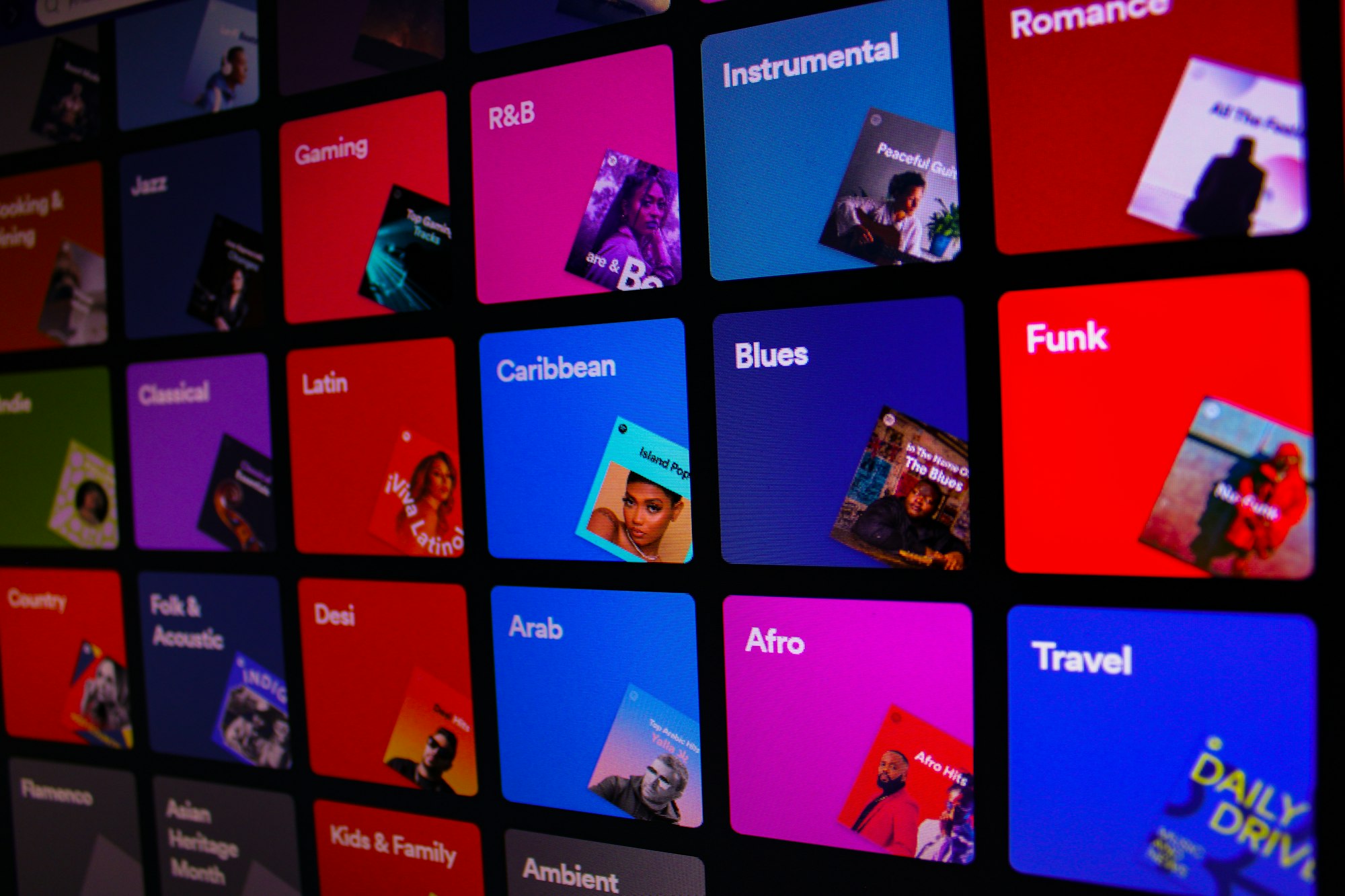
The Spotify Lock-In: Why Escaping the Green Giant is a Bleak Expedition
Many users are questioning their loyalty to streaming behemoths, but the promised land of alternatives often feels like a digital wasteland. Is the music industry's path to a single dominant platform truly irreversible?
In an era where digital services promise boundless choice, the reality of music streaming presents a stark paradox. Spotify, with its ubiquitous green icon, has become more than just a service; it's an ecosystem, a social fabric, and for many, an inescapable digital home. Yet, a growing chorus of users, disillusioned by artist payouts, UI changes, or simply the monolithic nature of its dominance, are attempting to break free. What they often find, as reported across various user experiences, is a landscape so 'bleak' that returning to the familiar embrace of Spotify feels less like a concession and more like a necessary retreat.
The Architects of Dominance: How Spotify Built Its Empire
Spotify's journey from a niche Swedish startup to the undisputed king of music streaming is a case study in strategic foresight and relentless execution. Its early embrace of a freemium model, coupled with a vast catalog and superior user experience, hooked millions. Features like Discover Weekly, collaborative playlists, and seamless cross-device synchronization fostered a sense of community and indispensable utility. This created a powerful network effect: more users attracted more artists, which in turn attracted more users, solidifying its position.
For years, this meant a vibrant, evolving platform. But as with many tech giants, dominance brings a different set of challenges, both for the platform and its users. The sheer scale of its operations, the vastness of its data, and the seemingly endless budget for innovation have created a moat that competitors find almost impossible to cross.
Beyond the Green: The Dispiriting State of Alternatives
The allure of a Spotify-free existence is strong – perhaps supporting independent platforms, enjoying higher fidelity audio, or simply escaping the feeling of being locked into a single ecosystem. However, the practicalities often prove soul-crushing. Users migrating away frequently report a consistent set of grievances:
Interface and User Experience (UI/UX)
Many alternative services, while functional, lack the polished fluidity and intuitive design that Spotify users have come to expect. Clunky navigation, inconsistent design languages, and a general lack of 'snappiness' make daily interaction a chore rather than a pleasure.
Content Catalog and Discovery
While many services boast 'millions of songs,' the reality is often more nuanced. Gaps in specific artists' discographies, missing indie labels, or regional content restrictions can be deal-breakers. More critically, the sophisticated recommendation algorithms that Spotify has honed over years are often absent, leading to a much less engaging and personalized discovery experience.
Feature Parity and Ecosystem Integration
Beyond just music, Spotify has integrated podcasts, audiobooks, and social features, creating a comprehensive audio hub. Competitors often struggle to match this breadth, let alone the depth of integration with smart speakers, car systems, and other third-party applications.
The Data Lock-In
Perhaps the most frustrating aspect for users is the effective 'hostage situation' of their listening data. Years of curated playlists, meticulously built libraries, and finely-tuned listening habits are trapped within Spotify's ecosystem. While third-party tools exist to transfer playlists, they are often imperfect, highlighting the lack of open standards for data portability in the streaming world.
Implications for Users, Artists, and the Future of Music
This bleak landscape for alternatives has profound implications. For users, it means reduced choice and increased susceptibility to the 'enshittification' phenomenon, where dominant platforms degrade user experience to extract more value. For artists, it solidifies Spotify's power as a gatekeeper, dictating terms and compensation in an increasingly imbalanced industry.
The lack of robust competition stifles innovation and prevents the emergence of truly artist-friendly or user-centric models. The ideal of a diverse, vibrant music streaming market, where different platforms cater to different needs and values, remains an elusive dream. Until genuine disruptors emerge—or until regulatory bodies step in to mandate greater data portability and fairer competition—the green giant's gravitational pull will continue to exert its dominance, making the prospect of a truly free digital music experience a challenging, indeed bleak, expedition.
The Path Forward: A Call for Openness and Competition
To break the Spotify lock-in, more than just new startups are needed. The industry requires a collective shift towards open standards, empowering users to truly own their listening data and take it with them. Furthermore, greater support for independent music platforms and artists-direct initiatives could foster a more equitable ecosystem. Without these fundamental changes, the future of music streaming risks becoming a monoculture, where choice is an illusion and true freedom of musical exploration remains just out of reach.