Beyond the Forecast: The Economic and Societal Ripples of America's Looming 'Whopper' Winter Storm
As a massive winter storm prepares to engulf two-thirds of the United States, bringing with it not just snow but "life-threatening cold air" and treacherous travel conditions, NovaPress delves deeper than the immediate forecast. This isn't merely a weather event; it's a profound challenge to national infrastructure, economic stability, and public safety, with implications that could ripple across industries and communities for weeks to come.
The Immediate Onslaught: Travel and Supply Chain Paralysis
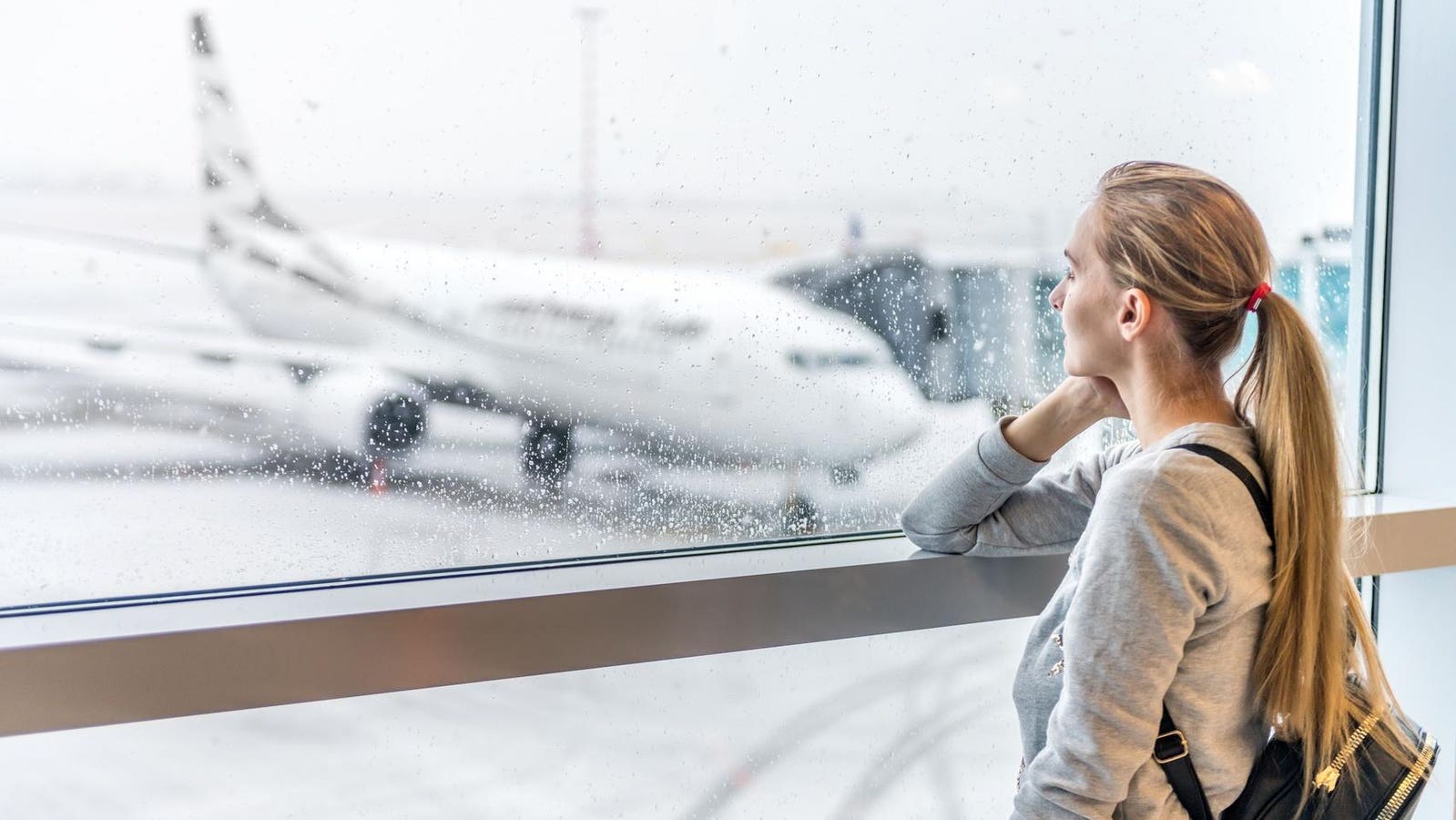
The gravity of the situation is underscored by the proactive measures taken by the five largest U.S. airlines, which have already issued extensive travel advisories. Millions of Americans planning weekend travel, particularly those connecting for holiday gatherings or business, face potential cancellations, significant delays, and even being stranded. The ripple effect on the air travel sector alone will be substantial, leading to lost revenue for carriers, airports, and auxiliary services like hotels and car rentals. This disruption extends far beyond passenger inconvenience; cargo flights, crucial for time-sensitive deliveries, will also face severe impediments, further stressing an already fragile supply chain.
Ground transportation is expected to fare no better. Major interstate highways and local roads across the eastern two-thirds of the country are projected to become impassable due to heavy snowfall, ice, and whiteout conditions from gusty winds. This directly impacts trucking and logistics, potentially delaying the delivery of essential goods, medical supplies, and even consumer products, leading to localized shortages and increased costs. For businesses reliant on just-in-time inventory, this storm could translate into significant operational setbacks.
Economic Frostbite: Local Businesses and Energy Grid Strain
Beyond the broad strokes of national travel and logistics, the storm's chill will settle heavily on local economies. Weekend commerce, a vital component for many small businesses, restaurants, and retail outlets, will likely grind to a halt in affected areas. Lost sales, decreased foot traffic, and potential closures due to hazardous conditions represent a direct hit to their bottom lines, potentially forcing difficult decisions regarding staff hours and inventory management.
Perhaps the most critical vulnerability lies within the nation's energy infrastructure. "Life-threatening cold air" translates into a massive surge in demand for heating, placing immense strain on power grids. The specter of widespread power outages looms large, particularly in areas where aging infrastructure is susceptible to snow, ice accumulation on lines, and high winds. Lessons from past extreme winter events, such as the devastating power crisis in Texas, highlight the catastrophic human and economic costs of grid failure. Communities without power in sub-zero temperatures face not only discomfort but severe health risks, prompting a surge in demand for emergency services and shelters.
Societal Resilience and Future Preparedness
The human cost of such a storm cannot be overstated. Beyond the immediate risks of hypothermia and frostbite, the elderly, homeless, and those with pre-existing medical conditions are particularly vulnerable. Emergency services—paramedics, firefighters, and police—will be stretched thin, battling challenging conditions to respond to increased calls for assistance, accidents, and medical emergencies.
As these 'whopper' storms become more frequent and intense, potentially influenced by changing climate patterns, the need for robust systemic resilience becomes paramount. This includes not just upgrading physical infrastructure but also enhancing communication strategies, improving early warning systems, and fostering community-level preparedness. Individuals are urged to heed advisories, prepare emergency kits, secure homes, and check on vulnerable neighbors.
Conclusion: A Call for Vigilance and Adaptability
This looming winter storm is more than just a meteorological event; it's a stress test for America's preparedness, adaptability, and resilience. From the corridors of airline operations to the homes battling plummeting temperatures, its impact will be deeply felt. NovaPress urges all citizens to prioritize safety, stay informed, and recognize the profound, far-reaching implications of what promises to be a truly monster winter weekend.