Market Rockets as Trump Halts Europe Tariffs: A Deeper Dive into Easing Geopolitical Tensions
By The NovaPress Editorial Team
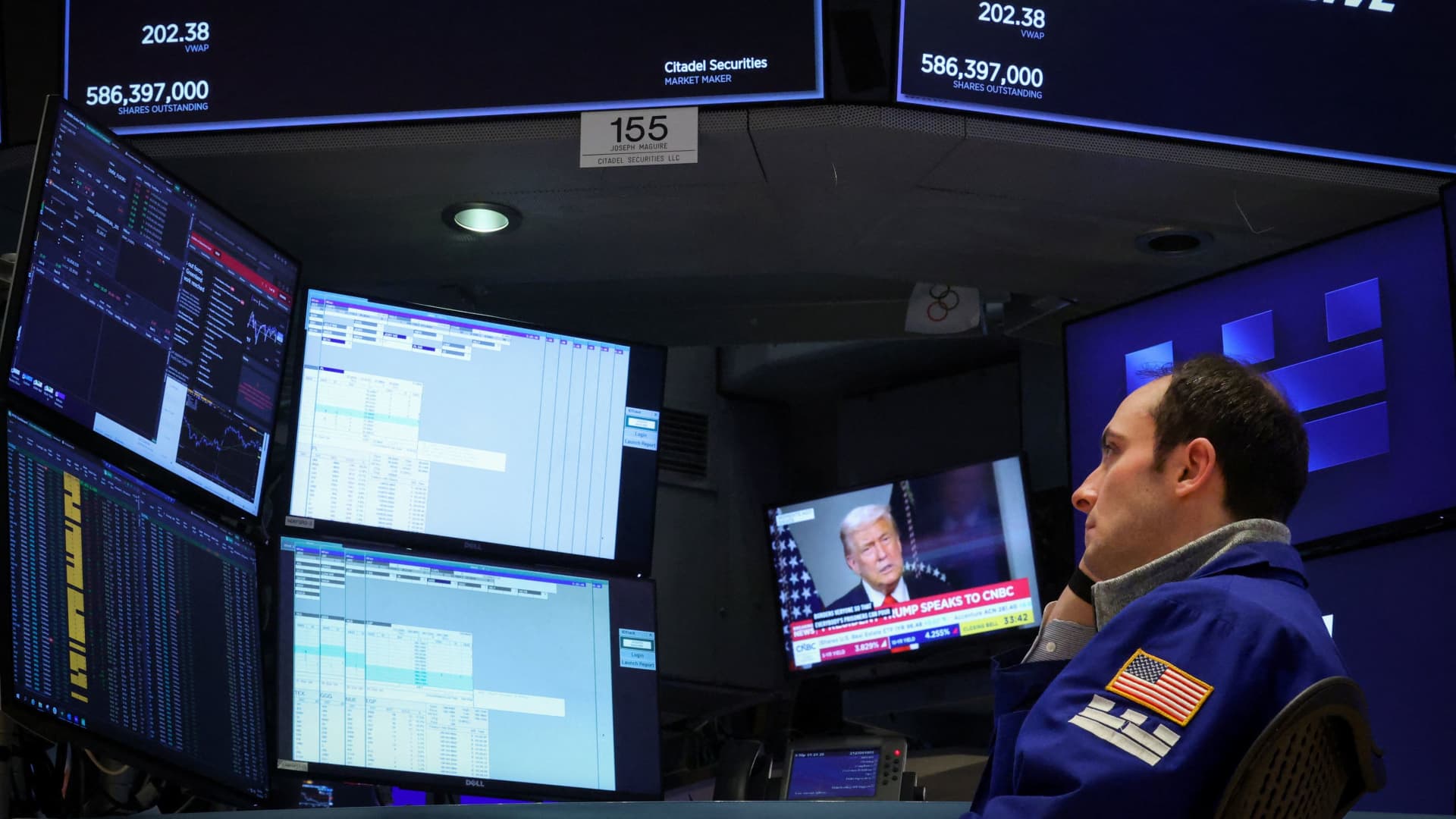
In a sudden and significant turn of events, U.S. stock futures experienced a robust surge this Thursday morning, marking a broad-based market rally that immediately calmed investors. The catalyst? An announcement from President Donald Trump that he would postpone the imposition of new tariffs on European goods, initially slated to commence on February 1st. This eleventh-hour reprieve from what promised to be another contentious trade front has injected a palpable sense of relief into global markets, momentarily sidelining the geopolitical anxieties that have frequently dictated market sentiment.
The Looming Threat: What Was At Stake?
For weeks, the specter of new U.S. tariffs on European imports had hung heavy over international trade relations and investor confidence. The proposed levies, largely targeting a range of goods from luxury items to agricultural products, were part of a broader strategy by the Trump administration to address perceived trade imbalances and disputes, including those related to aircraft subsidies. Had they gone into effect, these tariffs would have represented a significant escalation in trade tensions between two of the world's largest economic blocs, potentially triggering retaliatory measures from the European Union and disrupting intricate global supply chains.
Businesses on both sides of the Atlantic had braced for increased costs, reduced competitiveness, and a slowdown in economic activity. The automotive sector, in particular, had been a focal point, with threats of tariffs on European cars carrying profound implications for manufacturers, suppliers, and consumers alike. The market's immediate jump upon the news of their suspension underscores just how deeply these fears had permeated financial decision-making.
Market's Sigh of Relief: Understanding the Rally
The market's enthusiastic response was swift and decisive. Major U.S. stock averages rebounded sharply, demonstrating investors' profound sensitivity to geopolitical risks. When such uncertainties dissipate, even temporarily, the result is often a surge in risk appetite. Traders, who had been hedging against the possibility of an escalating trade war, quickly unwound those positions, contributing to the broad-based rally. Sectors most vulnerable to trade disruptions, such as industrials, materials, and consumer discretionary, likely saw some of the strongest gains.
This rebound isn't merely about avoiding a negative outcome; it's about restoring a degree of predictability. Businesses can now plan with slightly more certainty regarding international trade, and the immediate threat of higher import costs or supply chain interruptions has receded. This allows capital to flow back into growth-oriented assets, rather than seeking the safety of defensive plays.
Beyond Tariffs: The Inflationary Watch and Future Implications
While the tariff news provided an immediate boost, markets are rarely driven by a single factor. As stock futures rose, traders were also keenly anticipating a crucial inflation reading due later in the morning. Inflation data can significantly influence monetary policy decisions by central banks, which in turn affect borrowing costs, corporate profitability, and overall economic growth. A higher-than-expected inflation figure, for example, could signal a faster pace of interest rate hikes, potentially dampening some of the optimism generated by the tariff news.
Looking ahead, while the immediate tariff threat has been averted, the broader landscape of international trade remains complex and dynamic. The underlying issues that prompted the tariff discussions — whether related to trade balances, subsidies, or intellectual property — have not fundamentally disappeared. This situation serves as a potent reminder of how quickly policy shifts can reverberate through financial markets, creating both opportunities and considerable volatility.
What This Means for NovaPress Readers
For investors, this development underscores the importance of staying agile and informed. While the immediate danger has passed, the potential for trade disputes to re-emerge or shift focus remains a key risk factor. For businesses, it offers a temporary window of clarity, allowing for more stable planning in global supply chains. NovaPress will continue to monitor these unfolding dynamics, providing deep analysis on how geopolitical decisions translate into economic realities.
The market's reaction is a testament to the powerful influence of political rhetoric and executive action on the economy. While relief is palpable, the watchful eye on inflation and the long-term trajectory of global trade policy will define the next chapter for investors and businesses alike.