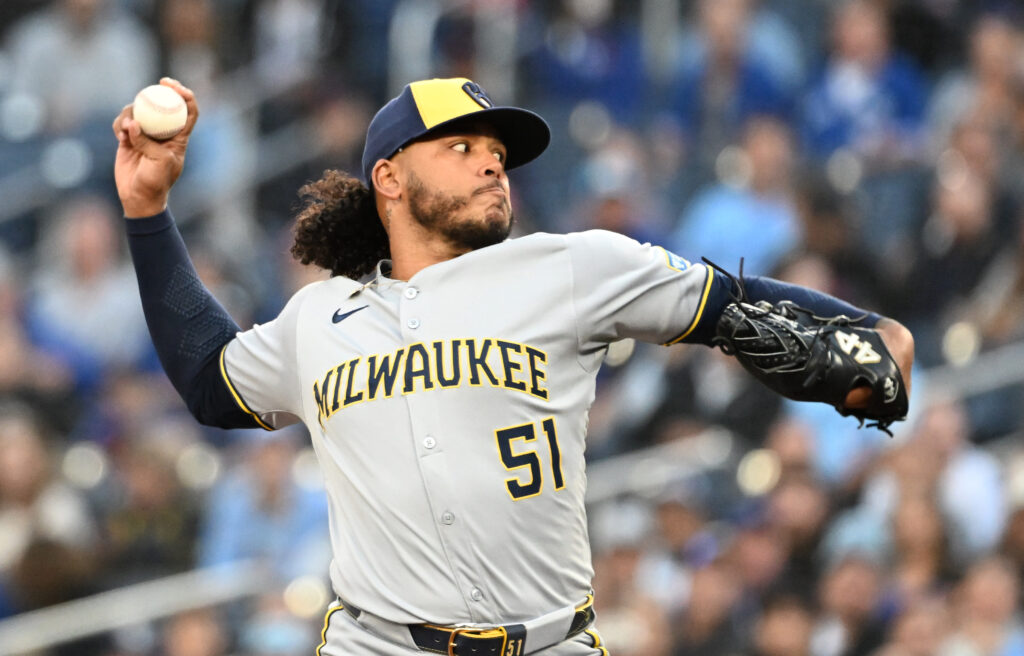
Mets' Blockbuster Gambit: Peralta Trade Reshapes NL Landscape, Brewers Reload for Future
The baseball world erupted with the news of a seismic trade: All-Star right-hander Freddy Peralta and swingman Tobias Myers are heading to the New York Mets, while the Milwaukee Brewers receive two highly-touted prospects, infielder Jett Williams and pitcher Brandon Sproat. This isn't just a player swap; it's a declaration of intent, a strategic pivot that could redefine the trajectories of both franchises and send ripple effects across the National League.
The Mets' All-In Bet: Chasing October Glory
For the New York Mets, this move is nothing short of a full-throttle push for contention. After a period of rebuilding and strategic spending, the acquisition of Peralta signifies a clear commitment to win now. Peralta, a bona fide ace when healthy, brings a dominant fastball-curveball combination and a track record of high-strikeout performances that can anchor the top of any rotation. Pairing him with their existing arms immediately elevates the Mets' pitching staff into one of the league's most formidable units.
The immediate impact for the Mets is profound. Peralta provides the reliable, high-ceiling arm they’ve desperately sought to complement their rotation. His presence not only bolsters the starting five but also takes pressure off younger pitchers and offers crucial depth, a commodity often exposed during the grueling summer months and potential playoff run. Tobias Myers, while not as flashy, adds valuable versatility, capable of spot starts or long relief, addressing another perennial need for pitching flexibility.
However, this aggressive move comes at a cost. The Mets are parting with two of their most promising minor league talents in Jett Williams and Brandon Sproat. Williams, a first-round pick, represents the high-upside, athletic infielder who projects as a future leadoff hitter. Sproat, a hard-throwing righty, was quickly climbing the organizational ladder. Sacrificing such valuable future assets demonstrates the Mets’ 'win-now' imperative, a calculated risk that hinges on Peralta's health and performance translating into immediate postseason success.
The Brewers' Strategic Retreat: Cultivating the Next Core
For the Milwaukee Brewers, this trade is quintessential 'Brewers baseball' – a calculated move to leverage established talent for future sustainability. While losing an All-Star like Peralta will sting for the immediate fan base and certainly impacts their short-term competitiveness, the return of Jett Williams and Brandon Sproat aligns perfectly with Milwaukee's long-standing philosophy of developing a strong farm system to ensure perennial contention, often despite a smaller market budget.
Williams instantly becomes one of the Brewers' top prospects, bringing a dynamic skill set of speed, on-base ability, and defensive potential at a premium position. He could be a cornerstone of their next competitive window. Sproat, with his power arm, addresses future pitching needs, continuing Milwaukee's tradition of developing quality starters. This exchange of proven talent for future potential is a strategic reload, designed to keep the Brewers competitive years down the line, even if it means taking a step back in the immediate future.
The challenge for the Brewers will be to mitigate the loss of Peralta in their rotation. They possess other talented arms and a strong development system, but replacing an All-Star's production is never easy. This trade signals a potential shift towards a younger, more cost-controlled roster, a familiar cycle for the Brewers as they aim to compete annually without exorbitant spending.
National League Ripple Effects and Future Implications
This blockbuster trade has far-reaching implications beyond the two involved clubs.
For the National League East, the Mets' strengthened rotation could make them a more formidable threat, intensifying already fierce divisional rivalries. Their playoff aspirations are undoubtedly elevated, potentially shifting the balance of power in the NL wildcard race as well.
In the National League Central, the Brewers' move further solidifies their commitment to a long-term vision. While they may take a hit in the immediate standings, the influx of top-tier prospects ensures their future competitiveness remains bright. Other teams in the division will observe this strategy keenly, potentially influencing their own decisions regarding veterans and prospects.
More broadly, this trade underscores a fundamental dynamic in modern baseball: the delicate balance between 'win-now' ambition and 'build-for-the-future' sustainability. The Mets have chosen the former, betting big on established talent to deliver immediate results. The Brewers have opted for the latter, replenishing their prospect cupboard to ensure future relevance. Both strategies are valid, but their success will be judged by the trophies won and the longevity achieved.
Conclusion
The Freddy Peralta trade is more than just a transaction; it's a strategic chess match played out on the grand stage of Major League Baseball. The Mets have pushed their chips to the center of the table, aiming for an immediate World Series push. The Brewers, ever pragmatic, have secured vital pieces for their next championship window. Only time will tell which strategy yields the ultimate reward, but for now, the baseball world watches with bated breath as the implications of this blockbuster deal unfold.