Claptrap's Cacophony and the Capsule Conundrum: Why Borderlands 4's Flaws Can't Dethrone its Core Appeal
Despite glaring issues, the latest installment in the iconic looter-shooter franchise holds a strange, almost masochistic grip on its player base. We dive into the frustrating genius of Borderlands 4.
It's a curious phenomenon when a game, despite its prominent flaws – from technical hiccups and repetitive dialogue to questionable design choices – manages to not only retain its players but inspire repeat playthroughs. Such is the perplexing charm of Borderlands 4. Even as frustration simmers over performance issues, nagging bugs, and particularly grating in-game mechanics, dedicated Vault Hunters, myself included, find themselves drawn back into its chaotic embrace for a second, third, or even fourth run.
The Unbearable Weight of Loot Capsules
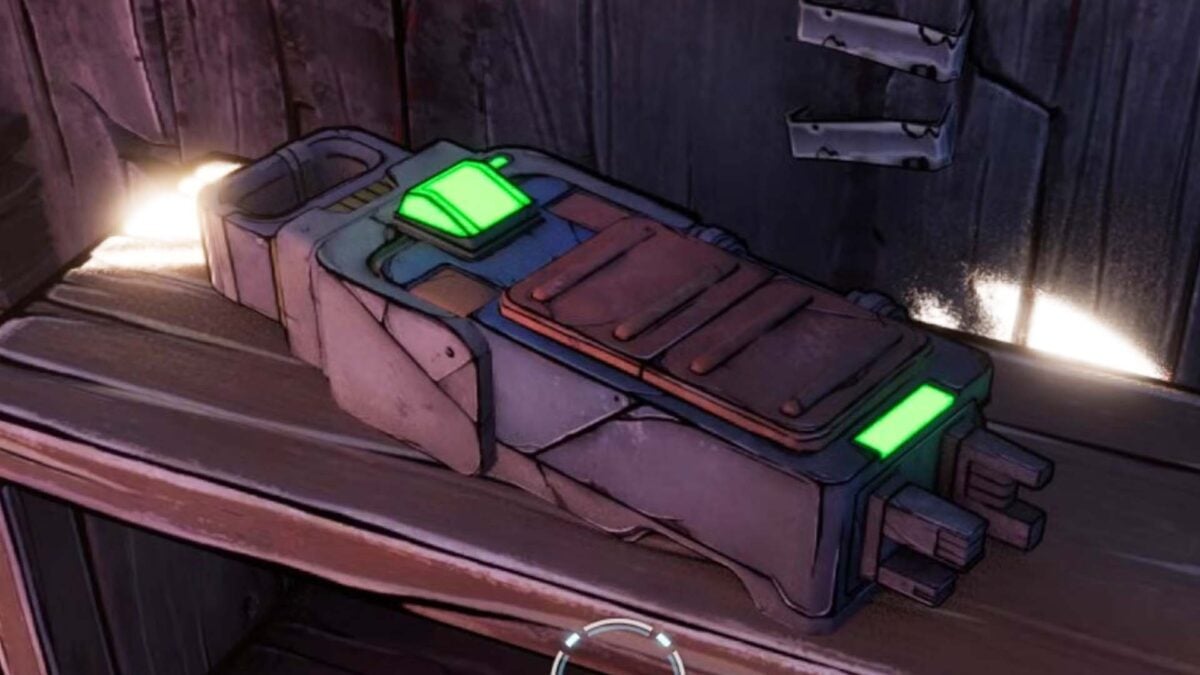
At the heart of much of the recent player outcry lies a deceptively simple mechanic: the 'Loot Capsule'. What might have seemed like an innovative way to distribute rewards has, for many, devolved into a monotonous chore. Instead of the satisfying burst of a defeated enemy or the thrill of discovering a hidden chest, players are now forced to endure a lengthy, often unskippable animation every time a capsule drops. This isn't just a minor inconvenience; it's a significant disruption to the core gameplay loop that Borderlands perfected – rapid-fire looting and shooting. Each capsule moment pulls you out of the action, breaks your momentum, and replaces the instant gratification with a forced pause. In a game built on a foundation of constant progression and high-octane combat, these capsules act as relentless speed bumps, turning what should be exciting into an exercise in patience.
Claptrap's Repetitive Lament: A Character's Diminishing Returns
Then there's Claptrap. The iconic, often irritating, but undeniably central robot companion has long been a polarizing figure. In previous installments, his antics provided comic relief, quirky quests, and occasional moments of genuine pathos. In Borderlands 4, however, his dialogue seems to have been dialed up to an unbearable level of repetition, particularly concerning his loneliness and perceived neglect. As one frustrated player eloquently put it, "If I have to hear Claptrap talk about being lonely or ignored again I'm going to scream so loud it might break glass." This sentiment is widely shared. What was once a character quirk has become a narrative crutch, undermining the very charm that made him memorable. It highlights a critical challenge for long-running franchises: how do you evolve beloved characters without stripping away their essence or, worse, turning their defining traits into an annoyance?
The Enduring Paradox: Why We Keep Playing
Given these significant grievances, why are players, like the author of the original piece, committing to second full playthroughs? The answer lies in Borderlands' undeniable strengths. Beneath the layers of frustration, the core gameplay loop of high-octane gunplay, diverse character builds, and satisfying progression remains robust. The sheer variety of weaponry, the joy of discovering a perfectly rolled legendary, and the visceral satisfaction of tearing through hordes of enemies are potent motivators. Moreover, the series' cooperative play fosters a sense of camaraderie that can often overshadow individual frustrations. Sharing the chaos, the loot, and even the shared annoyance over Claptrap's latest monologue can be a bonding experience.
The world of Pandora and its surrounding planets, despite their imperfections, are still vibrant, distinct, and full of secrets. The character art style, the distinct enemy designs, and the overarching anarchic humor (when it lands) contribute to a unique identity that few other games can replicate. Players return not because they tolerate the flaws, but because the foundational Borderlands experience is compelling enough to make those flaws almost, but not entirely, forgivable.
Future Implications: Learning from Player Loyalty
The Borderlands 4 scenario presents a crucial lesson for game developers. Player loyalty, built over years and multiple installments, is a powerful force. It can allow a game to weather storms of criticism that might sink a newer IP. However, it's not inexhaustible. The loud, clear feedback regarding loot capsules and character dialogue points to a need for more agile post-launch support and, more importantly, a willingness to evolve core mechanics and character writing in future titles. Developers must balance innovation with tradition, ensuring that new features enhance the experience rather than detract from it. For Borderlands 5, the path forward will likely involve a careful re-evaluation of what makes the series truly great, while shedding the elements that have begun to grate on even its most dedicated fans.
NovaPress – Dissecting the digital frontier.