Geopolitical Echoes: How Trump's Greenland Stance Sent Shockwaves Through Global Markets
In an era defined by rapid information flow and interconnected global economies, the words of world leaders carry immense weight. This truth was starkly illustrated recently when President Donald Trump's commentary regarding Greenland sent ripples, then waves, through international financial markets. What began as an unconventional proposal escalated into a significant market sell-off, only to see a swift recovery following a de-escalation of rhetoric. This incident offers a potent lesson in the intricate dance between geopolitics, presidential communication, and investor sentiment.
The Greenland Gambit: A Market Unsettled
The saga began with reports of President Trump's interest in purchasing Greenland, followed by suggestions of tariff threats should Denmark reject the overture. While seemingly an isolated diplomatic curiosity, the market reaction was anything but benign. All three major U.S. stock indexes – the Dow, S&P 500, and Nasdaq – logged their worst daily performances since October 10. This dramatic downturn underscored a profound investor unease, not just about the feasibility of the Greenland proposal, but about the broader implications of such assertive and unpredictable foreign policy.
Investors, already navigating a complex landscape of trade disputes and global growth concerns, perceived the escalating rhetoric around Greenland as a significant new source of instability. The very notion of a powerful nation threatening military action or imposing tariffs over a territorial acquisition, however speculative, introduced an unacceptable level of geopolitical risk. This perception triggered a classic flight-to-safety response, causing a flight from the dollar and contributing to the widespread market sell-off.
The Power of De-escalation: A Swift Rebound
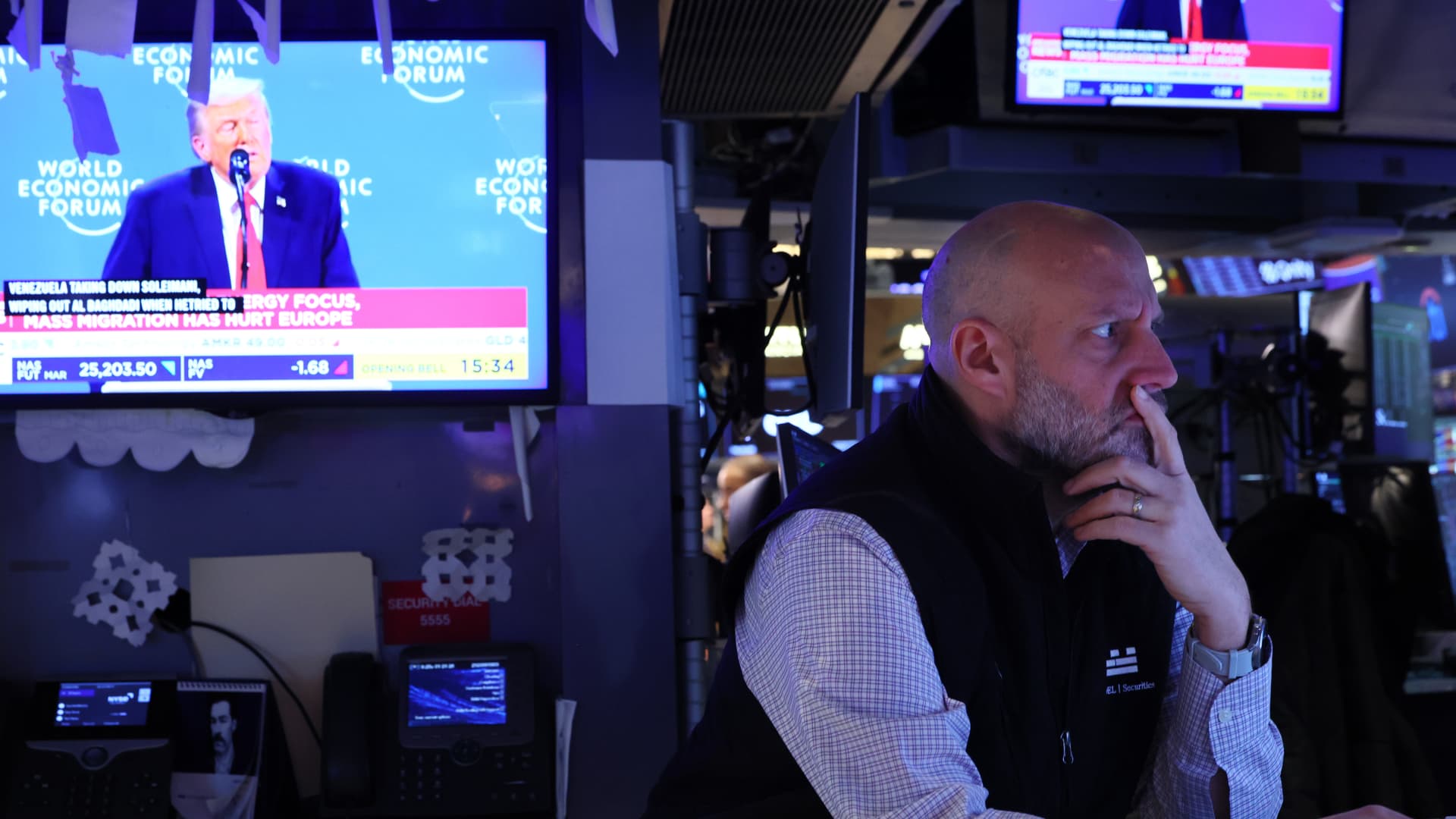
The markets, however, proved equally sensitive to a shift in tone. On Wednesday, following President Trump's declaration at the World Economic Forum that he would "not use force" to acquire Greenland, stocks surged. The recovery was as sharp as the initial drop, with major indexes posting significant gains. This immediate rebound was a direct result of easing the primary concern that had rattled investors: the prospect of an unforeseen military or economic confrontation stemming from the Greenland issue.
The rapidity of the market's response highlights the psychological component of investing. In an information-rich environment, investor confidence can be swayed almost instantaneously by perceived shifts in risk. When the perceived risk of an unconventional geopolitical move dissipated, capital flowed back into equities, demonstrating the market's inherent desire for stability and predictability.
Lessons Learned: Geopolitics as a Market Mover
This incident serves as a powerful reminder that in today's globalized economy, traditional economic indicators are not the sole drivers of market performance. Geopolitical considerations, particularly the rhetoric and actions of major world powers, play an increasingly critical role. Investors are no longer merely looking at corporate earnings or unemployment figures; they are keenly attuned to political discourse, international relations, and the potential for unforeseen events to disrupt global trade and stability.
For policymakers, the Greenland episode underscores the profound economic consequences of rhetoric. Words, especially from the highest office, are not just political statements; they are market signals that can trigger billions of dollars in gains or losses within hours. The need for clear, consistent, and measured communication becomes paramount to avoid inadvertently destabilizing financial systems and eroding investor confidence.
Looking Ahead: Navigating an Unpredictable Landscape
As the global landscape continues to evolve, investors and analysts must increasingly incorporate geopolitical risk assessment into their strategies. The Greenland incident is unlikely to be the last time an unexpected political development sends shockwaves through markets. The ability to discern genuine threats from fleeting rhetoric, and to understand the market's immediate and long-term reactions, will be crucial for navigating an increasingly unpredictable world.
Ultimately, the Greenland saga, from initial sell-off to recovery, illustrates the delicate balance upon which global financial stability rests. It’s a balance easily disrupted by a single statement and just as quickly restored by another, highlighting the deep intertwining of global politics and economic prosperity.