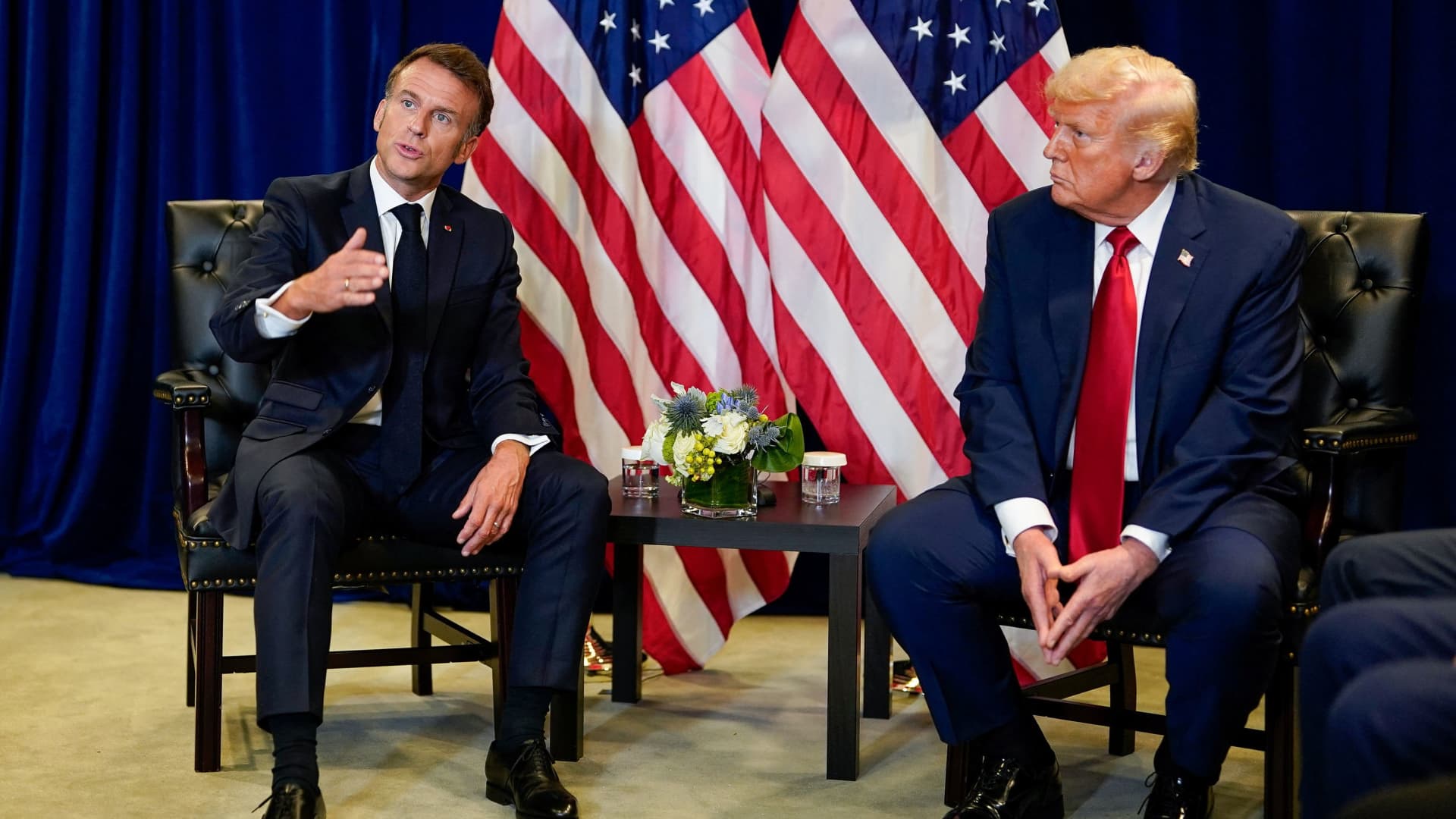
Transatlantic Tensions Flare: Trump's Wine Tariffs and Macron's Snub Rattle Global Diplomacy
The delicate balance of transatlantic relations has been sharply tested following U.S. President Donald Trump's audacious threat of a 200% tariff on French wines and champagne. This declaration comes amidst reports of French President Emmanuel Macron's unwillingness to join Trump's proposed "Board of Peace," alongside the U.S. leader's renewed assertion of control over Greenland. These intertwined developments signal a potential deepening of rifts between traditional allies, with significant implications for global trade, diplomacy, and geopolitical stability.
The Wine War: Tariffs as a Diplomatic Hammer
President Trump's threat of a punitive 200% tariff on French wines and champagne is more than just an economic measure; it's a potent diplomatic weapon. Such a move, if enacted, would cripple France's iconic wine industry, dealing a severe blow to a sector deeply intertwined with French national identity and economy. For American consumers and importers, it would mean astronomical price increases, potentially leading to widespread boycotts or a dramatic shift in market dynamics. This isn't the first time Trump has wielded tariffs against European goods, but the severity and directness of this threat suggest a growing frustration with perceived slights and a willingness to escalate trade disputes to an unprecedented level. The underlying message is clear: perceived non-cooperation on political fronts could have immediate and devastating economic consequences.
Macron's Calculated Distance: Snubbing the 'Board of Peace'
At the heart of Trump's latest tariff threat appears to be French President Emmanuel Macron's reported reluctance to join the U.S. President's "Board of Peace." While details about this proposed board remain vague, it is widely interpreted as an attempt by Trump to consolidate a narrative of global peacemaking under his leadership. Macron, a proponent of multilateralism and European strategic autonomy, likely views such a unilateral initiative with skepticism. His hesitation could stem from a desire to avoid legitimizing a platform that might bypass established international institutions or from a strategic assessment that aligning too closely with Trump's distinctive foreign policy could undermine France's own diplomatic standing within the EU and on the world stage. This snub, whether intentional or a byproduct of differing diplomatic philosophies, has clearly been interpreted by the White House as a direct challenge, igniting the trade retaliation.
Greenland's Shadow: Unilateral Ambitions and European Pushback
Further complicating the transatlantic landscape is President Trump's renewed assertion of his plans to "control Greenland." This seemingly outlandish ambition, first floated publicly and then met with incredulity from Denmark (which governs Greenland), underscores a persistent unilateralist streak in Trump's foreign policy. His accompanying belief that European leaders "won't push back too much" against such moves reveals a perception of European weakness or disunity. Greenland, a strategic Arctic territory, holds immense geopolitical significance for its resources and location. Any U.S. pursuit of its acquisition, however fanciful, sends ripples through European capitals, reinforcing anxieties about Washington's commitment to alliances and international norms. It suggests a future where traditional allies are treated less as partners and more as obstacles or bystanders to U.S. strategic objectives.
Implications for the Future of Transatlantic Relations
The convergence of these events paints a concerning picture for the future of the transatlantic alliance. Trump's "America First" doctrine has consistently challenged the post-World War II order, and these latest actions represent a significant escalation. The use of tariffs as a punitive measure for diplomatic disagreements, the disregard for the sensitivities of allies, and the pursuit of unilateral geopolitical ambitions are eroding the trust and shared values that have underpinned the relationship for decades. European leaders are increasingly faced with the dilemma of either confronting or accommodating a mercurial U.S. foreign policy, often finding themselves caught between domestic pressures and the need to maintain some semblance of a working relationship with Washington.
Looking ahead, these tensions could manifest in various ways: increased fragmentation within the EU as member states react differently to U.S. pressures, a stronger push for European strategic independence (particularly in defense and trade), and a potentially more protectionist global trade environment. The immediate economic impact of wine tariffs would be felt, but the long-term damage to diplomatic credibility and alliance cohesion could be far more profound. The world watches as the ties that bind the Western alliance are stretched ever thinner, threatening to reshape the global order in unpredictable ways.
NovaPress will continue to monitor these critical developments, providing in-depth analysis on their evolving impact on international affairs.