Greenland Gambit: Trump's Tariff Threat and the EU's Unyielding Stance
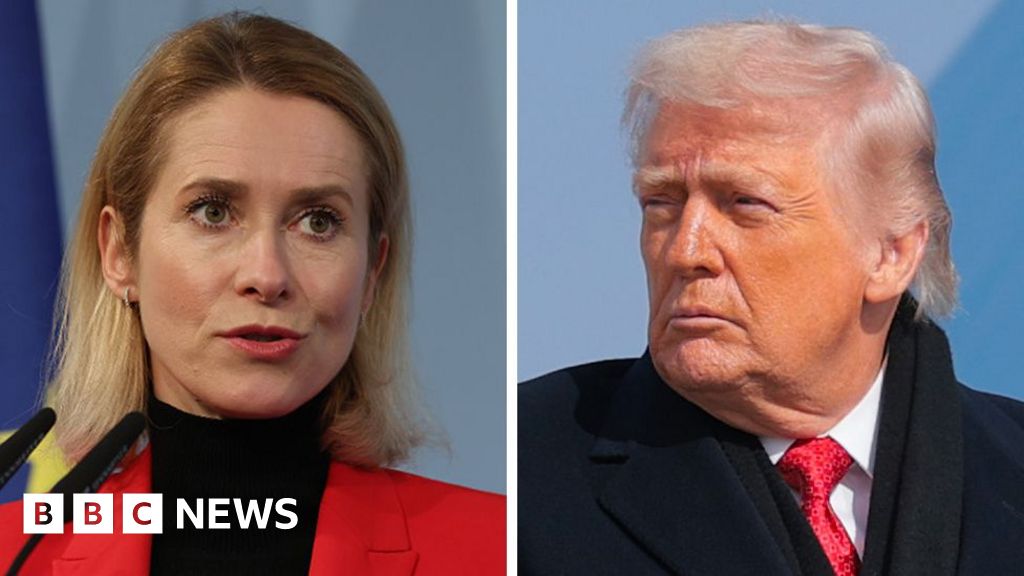
In a geopolitical chess move that has sent ripples across the Atlantic, Donald Trump has unequivocally declared his intent to "100%" follow through on a tariff threat concerning Greenland. This provocative stance has immediately drawn a firm, yet measured, response from the European Union, whose foreign policy chief, Kaja Kallas, stated the bloc has "no interest to pick a fight, but we will hold our ground." The looming specter of trade penalties over a territory most know little about raises critical questions about international diplomacy, economic leverage, and the shifting dynamics of global power.
The Unfolding Saga: From Purchase Offer to Tariff Threat
The current trade spat originates from an unusual proposition: Trump's previously expressed interest in purchasing Greenland from Denmark. When this offer was firmly rebuffed, it set the stage for a dramatic escalation. Tariffs, typically tools used to protect domestic industries or address perceived unfair trade practices, are now being wielded as a direct response to a territorial negotiation gone awry. This pivot from diplomatic overtures to economic coercion marks a significant departure from conventional international relations, highlighting Trump's transactional approach to foreign policy.
The EU's Calculated Resolve: "Holding Our Ground"
Kaja Kallas's statement perfectly encapsulates the EU's strategic dilemma. On one hand, the bloc aims to avoid an unnecessary trade war, particularly with a major economic partner like the United States. On the other, the principle of defending its member states' sovereignty and economic interests is paramount. Denmark, as an EU member, is directly impacted by this threat, and the EU's response is a collective defense. "Holding our ground" suggests a readiness for retaliatory measures, possibly targeting key American exports or implementing counter-tariffs, should Trump proceed. This isn't just about Greenland; it's about the precedent it sets for US-EU relations and the protection of sovereign decisions.
Economic Fallout: Who Pays the Price?
Should tariffs be imposed, the economic ramifications would be widespread. While Greenland itself is not a major trade hub, the tariffs would likely target products originating from Denmark or the broader EU that have any connection to the territory, or simply as a punitive measure against the EU/Denmark for its stance. Consumers and businesses on both sides of the Atlantic could face higher costs, reduced market access, and supply chain disruptions. Furthermore, such actions could undermine global trade norms, encouraging other nations to use economic coercion in non-trade disputes, leading to a fragmented and unpredictable international economic landscape. The specific nature and scope of the tariffs would dictate the severity of the impact, but history shows that trade wars rarely have clear winners.
Geopolitical Ripples: Transatlantic Relations on the Brink?
Beyond economics, the Greenland tariff threat carries significant geopolitical weight. It strains the already complex relationship between the US and its traditional European allies. The transatlantic alliance, a cornerstone of post-war global security, relies on mutual trust and respect. Using economic threats over a sovereignty issue erodes this foundation, potentially weakening collective efforts on issues ranging from defense to climate change. It also complicates Denmark's position, caught between a powerful ally and its own territorial integrity. This incident could embolden other global powers to test the resilience of Western alliances and pursue their own interests through aggressive means.
The Path Forward: De-escalation or Intensification?
The coming days and weeks will be crucial in determining the trajectory of this standoff. Trump's "100%" declaration suggests little room for backing down without perceived loss of face. However, the EU's firm response indicates a refusal to be bullied. Diplomatic channels will undoubtedly be tested, but the public nature of the threats makes quiet resolution challenging. The international community will be watching closely to see if pragmatism prevails or if this marks another significant escalation in a new era of transactional geopolitics. The stakes are high, not just for Greenland, but for the principles governing international relations and trade.