Nintendo's Stealth Upgrade: How Free Enhancements on Switch 2 Are Redefining Console Transitions
By The NovaPress Editorial Team
The launch of a new console generation is typically met with a mix of excitement for future possibilities and trepidation about leaving beloved game libraries behind. However, with the arrival of the Nintendo Switch 2 last June, Nintendo has subtly but significantly shifted this paradigm. Far from simply offering backward compatibility, the company has rolled out a series of free enhancements for its first-party games, effectively upgrading cherished titles to leverage the new hardware's capabilities without an additional purchase. This strategic move isn't just a win for consumers; it's a shrewd play that could redefine how future console transitions are managed across the industry.
More Than Just Backward Compatibility: The 'Enhanced' Experience
Backward compatibility has long been a consumer expectation, offering the comfort of knowing your existing game collection won't become obsolete overnight. Yet, Nintendo's approach with the Switch 2 goes a step further, transforming mere compatibility into a genuinely enhanced experience. These aren't simple performance boosts; they are meticulously crafted updates designed to breathe new life into games that fans have adored for years.
The updates span a range of technical improvements, each contributing to a more immersive and visually striking gameplay experience:
- Optimized Visuals: From higher resolutions and smoother frame rates to improved texture filtering and anti-aliasing, games now boast a crispness and fluidity previously unattainable on the original Switch. Open-world epics like The Legend of Zelda: Breath of the Wild and Tears of the Kingdom feel even more expansive and vibrant, while fast-paced titles like Mario Kart 8 Deluxe achieve a new level of responsiveness.
- HDR (High Dynamic Range) Support: The inclusion of HDR support is a game-changer for visual fidelity. It allows for a much broader range of colors and contrast, bringing out more detail in both the brightest highlights and darkest shadows. This means more realistic lighting, richer environments, and a truly cinematic feel for many titles.
- Joy-Con 2 Integration: Perhaps one of the most exciting, yet understated, enhancements comes from the new Joy-Con 2 controllers. Beyond potential ergonomic improvements, these controllers offer advanced haptic feedback, allowing for more nuanced and immersive tactile responses. Imagine feeling the subtle crunch of snow underfoot or the distinct pull of a fishing line with unprecedented precision. This deeper integration enhances immersion in a way that visual upgrades alone cannot achieve.
A Strategic Masterstroke for Nintendo
This free upgrade strategy is more than just a goodwill gesture; it's a calculated business move that positions Nintendo uniquely in the console landscape.
- Consumer Loyalty and Adoption: By offering tangible benefits for existing game libraries, Nintendo significantly reduces the friction associated with upgrading to new hardware. Consumers see immediate value in the Switch 2, not just for future titles, but for enhancing the games they already own and love. This fosters loyalty and encourages quicker adoption of the new console.
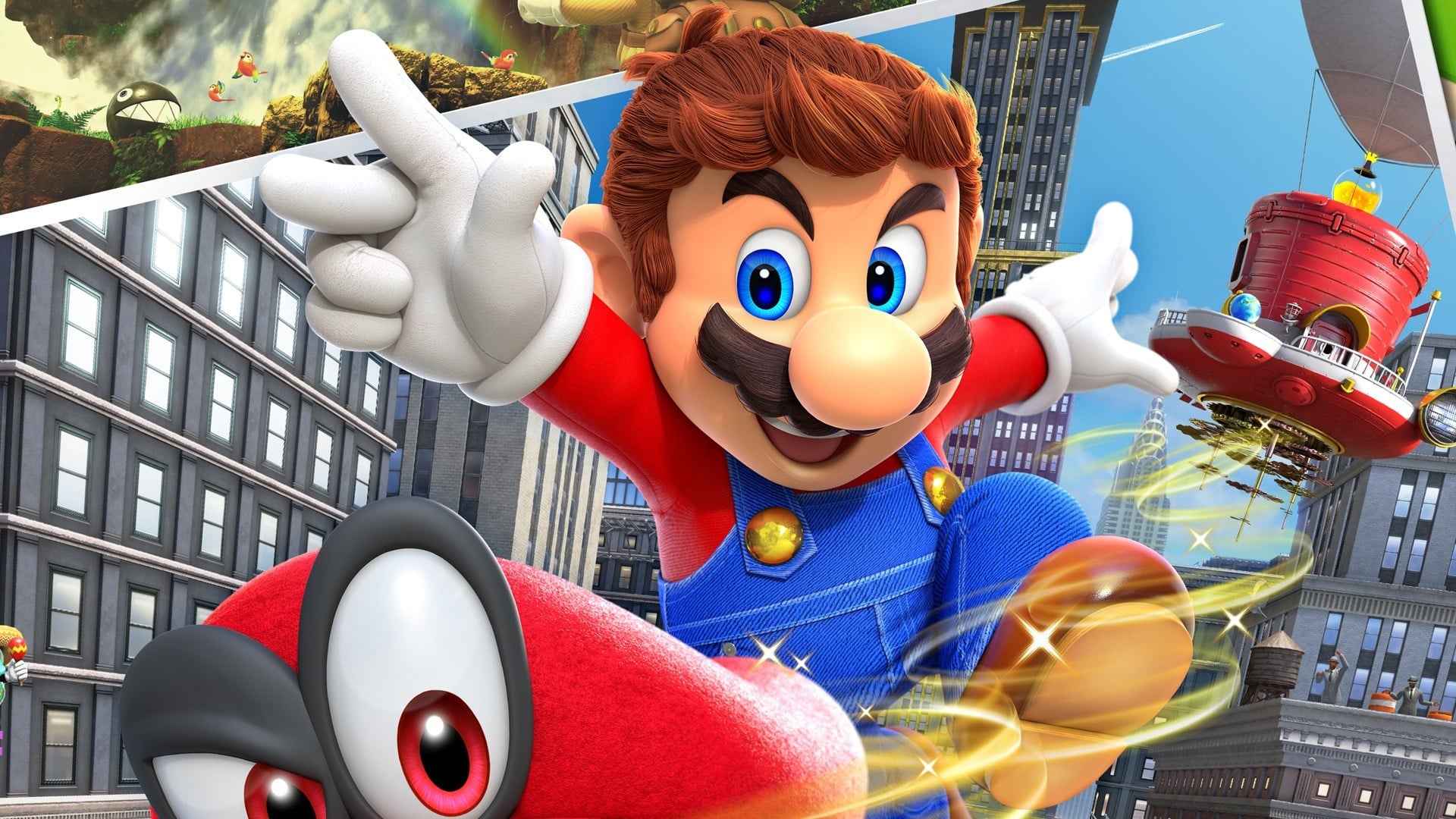
- Extended Game Lifespan: For Nintendo, it extends the revenue potential of its existing, highly successful game catalog. A game like Mario Odyssey, released years ago, can now be re-experienced with fresh eyes, potentially leading to new sales for those who held off or encouraging re-engagement.
- Developer Efficiency: While the specifics aren't fully known, providing a clear path for "enhanced" backward compatibility can streamline development for first-party studios. Instead of needing to entirely remake or port games, they can focus on optimization and adding specific next-gen features, potentially freeing up resources for new IP or more ambitious projects.
- Competitive Advantage: In an era where competing platforms often charge for 'next-gen' upgrades or offer only basic backward compatibility, Nintendo's free, enhanced updates stand out. It sets a new benchmark for what console transitions can and should offer.
Future Implications for the Industry
Nintendo's move could spark a ripple effect across the gaming industry. Other console manufacturers might feel pressure to adopt similar strategies, moving beyond simple performance boosts to genuinely enhanced versions of older titles, offered free of charge. This could lead to a future where generational upgrades are less about abandoning the past and more about building upon it, creating a more seamless and consumer-friendly ecosystem.
It also subtly hints at a potential future where console generations become less distinct, evolving into more iterative hardware upgrades akin to mobile phones or PCs. If Nintendo can deliver significant improvements through free software updates, the need for entirely new, incompatible generations diminishes, potentially fostering a more continuous and stable gaming platform.
Conclusion
With the Switch 2, Nintendo hasn't just launched new hardware; it's launched a new philosophy for console transitions. By offering free, substantial enhancements to its cherished first-party titles, the company has delivered immense value to its existing fanbase while making a compelling case for new adopters. This strategy not only solidifies Nintendo's position as an innovator but also sets a new, elevated standard for the entire gaming industry, proving that sometimes, the greatest leaps forward come from honoring the past with a vision for the future.