Beyond the Ice: Unpacking Trump's Greenland Gambit and the Geopolitical Chessboard
The image of a U.S. President openly attempting to purchase an autonomous territory from a sovereign nation is, to say the least, unconventional. Yet, this became a defining, if bewildering, moment in recent U.S. foreign policy when President Donald Trump's stated interest in acquiring Greenland sent ripples across the globe. Returning from a holiday, Trump's "momentarily taken aback" reaction to a reporter's question on the matter underscored the unique, often audacious, nature of his diplomatic approach. What began as an anecdote quickly escalated into a serious geopolitical discussion, revealing fissures within his own advisory circles and sparking international debate.
The Strategic Significance of an 'Ice-Covered Island'
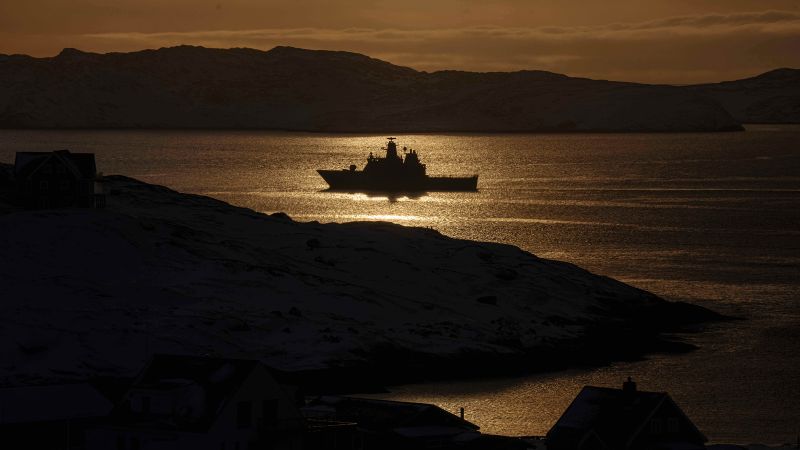
Greenland, the world's largest island, is far more than just "ice-covered." An autonomous territory within the Kingdom of Denmark, it boasts vast untapped mineral resources, a strategic geographic positioning crucial for Arctic security, and a rich indigenous culture. The U.S. has a long-standing strategic interest in Greenland, dating back to World War II and the Cold War, when its airbases served as vital outposts protecting the North American continent. However, outright annexation represents a dramatic departure from historical engagement, pushing the boundaries of traditional diplomacy.
Behind Trump's Bold Proposition: A Multifaceted Rationale
For many, the initial reports sounded like a real estate mogul's grand, if bizarre, deal. However, deeper analysis suggests a multi-faceted, albeit controversial, rationale. Access to Greenland's rare earth minerals, vital for modern technology and defense industries, could significantly reduce U.S. reliance on China, a primary competitor in this critical sector. More critically, securing a stronger U.S. presence in the Arctic is a strategic imperative. As climate change opens new shipping lanes and facilitates easier access to resources, the region has become a new frontier for geopolitical competition, particularly with Russia and China asserting their influence. A U.S.-owned Greenland could serve as a powerful bulwark, enhancing military and scientific capabilities in a rapidly changing polar landscape.
Advisory Apprehension and the Search for an 'Off-Ramp'
Despite these potential strategic advantages, sources indicated significant apprehension among some of Trump's own advisors regarding the feasibility and wisdom of pursuing Greenland. The reasons were manifold:
- Diplomatic Outcry: Denmark's swift and firm rejection of the proposal highlighted the immediate and severe diplomatic fallout. The notion of a NATO ally attempting to buy a part of another's sovereign territory was widely seen as an affront, potentially straining crucial alliances and undermining international norms.
- Cost and Logistics: The sheer financial cost of such an acquisition, coupled with the immense logistical complexities of integrating a vast, sparsely populated, and culturally distinct territory, presented a monumental challenge with unclear returns.
- Legal and Ethical Quandaries: The ethical implications of "buying" a population, however autonomous, raised profound questions about self-determination, human rights, and the principle of national sovereignty in the 21st century.
- Perceived Lack of Strategic Necessity: For some, existing defense agreements and partnerships with Denmark already provide sufficient strategic access to Greenland without the massive diplomatic and financial overhead of outright ownership.
The discussion around an "off-ramp" wasn't just about abandoning the idea but finding alternative, more palatable approaches to achieving U.S. strategic goals in Greenland. These could include:
- Enhanced Economic Partnerships: Investing in Greenland's infrastructure, resource extraction, and tourism in cooperation with Denmark and the local government.
- Strengthened Defense Cooperation: Expanding existing military bases and intelligence sharing within the framework of the U.S.-Denmark defense agreement, ensuring mutual security interests are met.
- Scientific and Environmental Collaboration: Leading efforts in Arctic research, climate change mitigation, and sustainable development, demonstrating long-term commitment to the region's future and global environmental stewardship.
International Repercussions and Future Implications
The Greenland saga sent a clear signal to other nations. For U.S. allies, it underscored the unpredictable nature of U.S. foreign policy, potentially eroding trust and stability within key alliances. For adversaries, it presented an opportunity to criticize U.S. unilateralism and assert their own claims and interests in the rapidly developing Arctic region. The incident inadvertently amplified the strategic importance of Greenland, drawing more international attention to a region already heating up, both literally and geopolitically, due to climate change and resource competition.
Conclusion: A Case Study in Unconventional Diplomacy
President Trump's audacious pursuit of Greenland, while ultimately unsuccessful, serves as a fascinating case study in modern geopolitics. It highlighted the complex interplay between national interest, economic opportunity, strategic imperatives, and the delicate balance of international diplomacy. While the idea of a military pursuit was met with widespread skepticism, the underlying drive for Arctic dominance remains a critical component of global power dynamics. Moving forward, the "off-ramp" will likely involve a more nuanced strategy: one of collaboration, investment, and respect for sovereignty, rather than outright acquisition, as the world navigates the thawing complexities of the Arctic frontier.