Asus Ditches Smartphones: A Bold AI Bet or a Retreat from a Crowded Market?
In a move that sends ripples across the global technology landscape, Taiwanese tech giant Asus has confirmed an indefinite hiatus from its smartphone business. This strategic pivot, as articulated by chairman Jonney Shih, signals a profound shift in the company's focus towards the burgeoning realm of Artificial Intelligence applications. NovaPress delves deep into the implications of this decision, examining the context, potential future directions for Asus, and what it means for the broader industry.
The Saturated Smartphone Arena: A Battle of Giants
For years, the smartphone market has been characterized by intense competition, razor-thin margins, and a relentless innovation cycle dominated by a handful of behemoths. Apple, Samsung, and a formidable contingent of Chinese manufacturers like Xiaomi, Huawei, and Oppo have carved out vast market shares, leaving smaller players struggling to find sustainable niches.
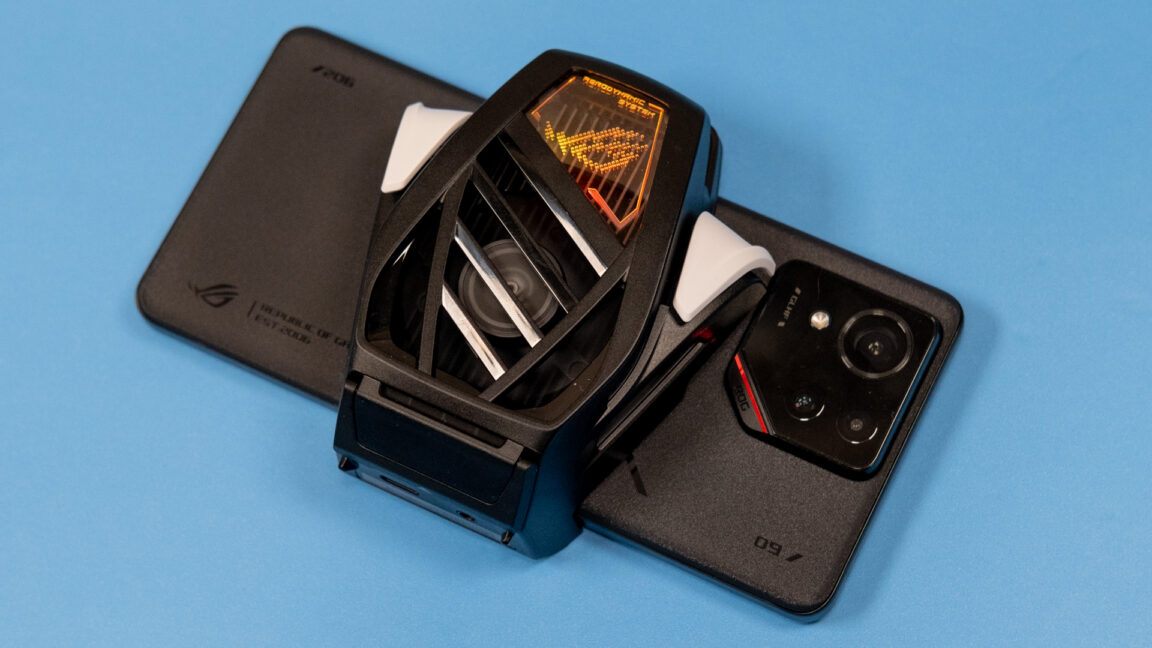
Asus, known for its robust PC components, gaming laptops (ROG series), and innovative motherboards, entered the smartphone fray with ambition. Its Zenfone series offered unique features and competitive pricing, while the Republic of Gamers (ROG) Phone carved out a dedicated following among mobile gamers with its cutting-edge specifications and thermal management. Despite these efforts, Asus's overall market share remained modest, often overshadowed by the marketing might and ecosystem dominance of its larger rivals. Operating in such a crowded and high-stakes environment requires monumental investment in R&D, marketing, and supply chain logistics – resources that could perhaps be better deployed elsewhere.
The AI Horizon: Jonney Shih's Vision for the Future
Chairman Jonney Shih's declaration that AI applications will be the company's main focus going forward is not merely a change of direction; it's a recalibration towards what many see as the next frontier of technological evolution. AI is no longer a futuristic concept but a rapidly integrating force across all sectors, from consumer electronics to enterprise solutions.
For Asus, a company with deep expertise in hardware engineering and computing, a pivot to AI could manifest in several exciting ways:
- AI-Powered PCs and Laptops: Enhanced NPU integration, AI-driven performance optimization, and intelligent user interfaces could redefine the next generation of computing devices, including their acclaimed gaming machines.
- Smart Home Ecosystems: Developing AI-driven smart home devices, beyond their existing networking solutions, could leverage their brand trust and hardware prowess.
- Enterprise AI Solutions: Leveraging their server and data center expertise, Asus could delve into providing AI infrastructure or specialized AI hardware for businesses.
- Industrial and IoT AI: Integrating AI capabilities into industrial solutions and Internet of Things (IoT) devices, a natural extension of their component manufacturing.
This shift allows Asus to capitalize on its core strengths in hardware innovation, thermal management, and robust engineering, applying them to an area with potentially higher margins and less cutthroat competition than smartphones.
Implications and Challenges Ahead
The move carries significant implications for Asus and its stakeholders. On the one hand, it frees up substantial resources – financial, engineering, and marketing – that were previously tied up in the demanding smartphone cycle. This focus can allow for more concentrated R&D efforts in AI, potentially positioning Asus as a leader in specific AI hardware segments.
However, the AI landscape, while promising, is not without its own set of challenges. It's a field attracting immense investment and talent from tech giants globally. Asus will need to identify specific niches where it can offer genuine innovation and competitive advantages. Furthermore, the decision might disappoint a segment of its loyal smartphone user base, particularly fans of the ROG Phone, who valued its unique gaming proposition. Asus will need to manage this transition carefully to retain brand loyalty while building new expertise.
A Bellwether for the Industry?
Asus's strategic withdrawal from the smartphone market in favor of AI could be a bellwether for the broader tech industry. As mature markets become saturated and competition stiffens, we may see more companies divesting from non-core or less profitable segments to double down on emerging technologies with higher growth potential. It underscores a fundamental truth in technology: constant adaptation and strategic recalibration are paramount for long-term survival and success.
Conclusion: A Calculated Risk for a New Era
Asus's indefinite hiatus from smartphones marks the end of an era for the company but simultaneously heralds the beginning of another. By choosing to concentrate its formidable engineering prowess on AI applications, Asus is taking a calculated risk, aiming to pivot towards the future rather than clinging to a past that had become increasingly challenging. The success of this bold move will hinge on its ability to translate its hardware expertise into compelling and commercially viable AI solutions, cementing its place in the next wave of technological innovation.